Every child belongs. Every child can learn.

Supporting SEND learners through inclusive, confident teaching, every day, in every classroom.

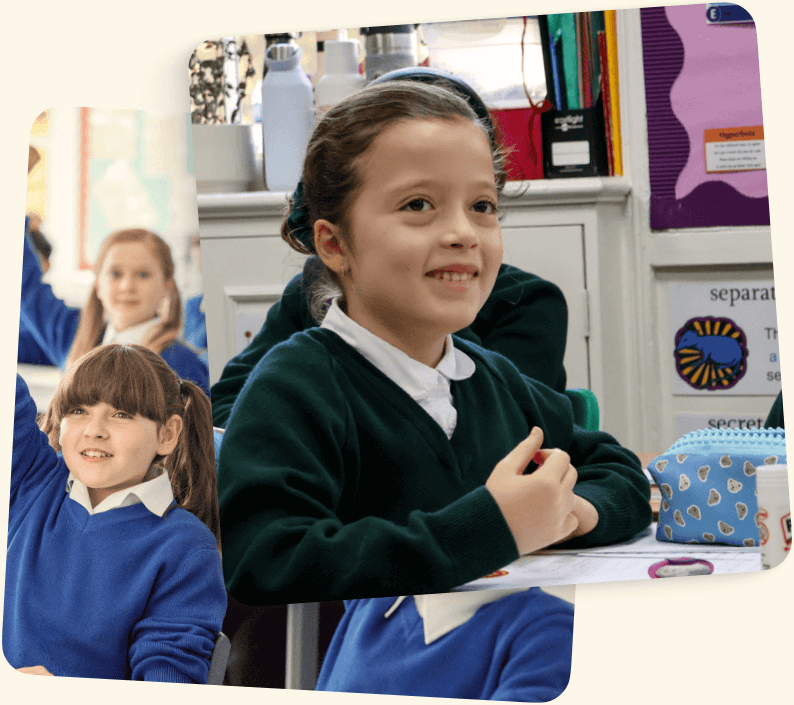
Montage showing a series of children

SEND & Inclusion at Jigsaw

Every classroom is different. Every child brings their own strengths, experiences and needs. And for children with SEND, feeling safe, understood and included isn’t just important, it’s what makes learning possible.

Every classroom is different. Every child brings their own strengths, experiences and needs. And for children with SEND, feeling safe, understood and included isn’t just important, it’s what makes learning possible.

Jigsaw’s SEND PSHE & RE Programme isn’t a bolt-on or separate pathway. It reflects an approach that is inclusive by design, built from the ground up to support all children.

Jigsaw PSHE (3 to 16) and RE have always been created with inclusive classrooms in mind, supporting pupils, including those with special educational needs and disabilities through:

  • Clear, consistent lesson structures that reduce cognitive load
  • Multi-sensory approaches that support different learning styles
  • Opportunities for repetition and reinforcement
  • Calm, predictable routines that support emotional regulation
  • Language and content that is accessible and inclusive

We are not a stand-alone SEND programme. Instead, Jigsaw has been designed from the very beginning for inclusive classrooms so teachers don’t have to start from scratch, because the foundations are already there.

91%

91%

of schools say pupils are more engaged in PSHE lessons

A boy sitting doing his work

88%

88%

report children have stronger social skills

Two girls smiling together

75%

75%

see improved emotional regulation

Boy smiling happily

57%

57%

notice better behaviour in the classroom

A blonde boy holding a Jigsaw characyer

96%

96%

of staff feel confident delivering Jigsaw lessons

Teacher in a classroom with a Jigsaw character

95%

95%

say it saves them valuable planning time

Teacher working in an office

Supporting teachers, every step of the way

For most pupils with SEND, the biggest difference comes from what happens every day in the classroom.

And we also know that teaching PSHE and RE, especially with a wide range of needs, can feel complex at times.

That’s why Jigsaw is designed to support both Quality First Teaching and teacher confidence, helping lessons feel manageable, not overwhelming.

In practice, that means teachers are supported to:

  • Teach lessons that work for a wide range of learners
  • Adapt and scaffold where needed - without rewriting everything
  • Approach sensitive topics with more confidence
  • Create classrooms where pupils feel included and able to take part

And just as importantly, we make sure teachers feel supported along the way. Every lesson is backed by:

  • Step-by-step guidance
  • Clear learning intentions and outcomes
  • Practical ideas for adapting and supporting different needs
  • CPD, training and ongoing support from the Jigsaw team
Jonty

Flexible and inclusive

Supporting emotional regulation and wellbeing For many children with SEND, learning starts with feeling safe.

That’s why emotional literacy and regulation sit at the heart of Jigsaw. Across both PSHE and RE, pupils are supported to: Recognise and name their feelings Learn ways to manage emotions Build positive, healthy relationships Feel part of their school community These aren’t “add-ons”. They’re the foundations for learning.
Child practicing meditation

A whole-school approach

Inclusion works best when it’s consistent, not dependent on individual teachers or isolated lessons.

A whole-school approach means creating an environment where every child experiences the same sense of safety, belonging and understanding, wherever they are in the school.

Jigsaw supports this by helping schools to build:

  • A shared language around emotions, relationships and wellbeing. So pupils hear and use the same words across classrooms, playgrounds and beyond
  • Consistent routines and structures. Giving children, particularly those with SEND, the predictability and security they need to engage
  • Progressive learning across year groups. Ensuring pupils revisit and build on key concepts in a way that makes sense over time
  • Joined-up practice across staff teams. So teachers, support staff and leaders are working in the same way, with the same understanding
  • Confidence across the whole staff team. Not just subject leads, but every adult who supports children

Over time, this creates something bigger than a set of lessons. It builds:

  • A calm, inclusive school environment
  • A stronger sense of belonging for all pupils
  • More consistent behaviour and relationships
  • A culture where emotional literacy and wellbeing are part of everyday school life
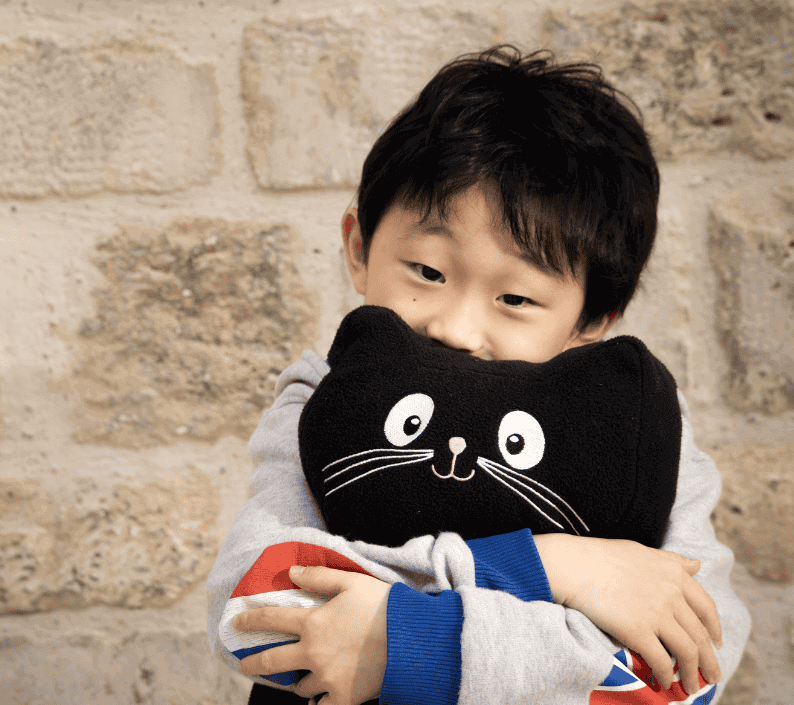
Child holding a Jigsaw character and Jerry cat

Structured, but flexible where it matters

Inclusion works best when it’s consistent, not dependent on individual teachers or isolated lessons.

Jigsaw is carefully sequenced to ensure clear, age-appropriate progression across every year group. Pupils build knowledge and understanding step by step, revisiting key ideas in a way that deepens learning over time, rather than repeating or skipping important foundations.

This progression is particularly important for pupils with SEND, who often benefit from:

  • Consistency in how learning is structured
  • Opportunities to revisit and reinforce key concepts
  • Clear links between what they have learned before and what comes next

At the same time, we know that no two classrooms, or pupils, are the same. That’s why Jigsaw is designed to give teachers the confidence to adapt, without losing that progression.

In practice, this means teachers can:

  • Adapt lessons to meet the needs of their pupils
  • Scaffold learning in a way that works for their class
  • Adjust pace, language and delivery where needed
  • Use resources flexibly within a clear and supportive structure

So you are not choosing between a carefully planned, age-appropriate curriculum or responding to individual needs. You can have both.

Boy sitting with his hands on his face

Frequently Asked Questions about SEND and Jigsaw

The Jigsaw PSHE 3–11 programme is structured around six half termly core Puzzles, each revisited every year with age-appropriate progression.

No. And that’s intentional.

Jigsaw isn’t a stand-alone SEND intervention. It’s a whole-school PSHE and RE programme that is inclusive by design, created to work for all pupils, including those with SEND.

This means teachers don’t have to “bolt on” adaptations afterwards, the structure, language and approach already support a wide range of needs.

Jigsaw supports SEND learners through thoughtful design and consistent classroom practice.

This includes:

  • Clear, predictable lesson structures
  • Multi-sensory teaching approaches
  • Opportunities for repetition and reinforcement
  • A strong focus on emotional regulation and wellbeing
  • Accessible, inclusive language

In Primary, resources like our Jigsaw Friends and Jigsaw Owls also help pupils express feelings and engage in a way that feels safe and familiar.

Jigsaw is designed so that most pupils can access learning without significant adaptation.

Where adjustments are needed, teachers are supported with:

  • Practical guidance within lessons
  • Clear structures that make scaffolding easier
  • Flexibility to respond to their class

So adaptation feels manageable and not like starting again.

Emotional regulation sits at the heart of Jigsaw. Pupils are supported to:

  • Recognise and name their feelings
  • Understand what’s happening in their bodies and minds
  • Learn strategies to manage emotions
  • Build positive relationships

For many pupils with SEND, this isn’t separate from learning, it’s what makes learning possible.

Yes. Jigsaw is used in schools with a broad range of SEND profiles, including pupils with:

  • Autism
  • ADHD
  • Speech, language and communication needs
  • Social, emotional and mental health needs

Because it is structured, consistent and adaptable, it works across a wide range of contexts.

Jigsaw is designed to strengthen what happens in the classroom every day. It helps teachers to:

  • Deliver inclusive lessons for all learners
  • Reduce the need for separate interventions
  • Build confidence when teaching sensitive topics
  • Create a calm, supportive learning environment

This aligns closely with the principles of Quality First Teaching.

We know that teacher confidence is key. Jigsaw supports staff through:

  • Step-by-step lesson guidance
  • Clear learning outcomes
  • CPD and training opportunities
  • Ongoing support from the Jigsaw team

So teachers feel supported and not left to figure things out alone.

Jigsaw helps schools build consistency in the things that matter day to day – the language we use, the routines we follow, the expectations we set, and the way we teach.

Over time, that consistency starts to make a real difference and it helps create:

  • A shared understanding across staff
  • A stronger sense of belonging for pupils
  • More consistent behaviour and relationships
  • And a culture where inclusion is part of everyday school life

Yes and this is a really important part of what Jigsaw does.

Through both PSHE and RE, Jigsaw helps schools deliver key safeguarding learning in a way that feels appropriate, clear and manageable.

This includes supporting pupils to:

  • Understand relationships and how to stay safe
  • Develop emotional awareness and literacy
  • Learn about boundaries and consent
  • Know where and how to seek help

All of this is taught in a way that is age-appropriate, accessible and sensitive to pupils’ needs.

We know that conversations with parents, especially around PSHE, wellbeing and SEND, can feel important to get right.

Jigsaw helps schools feel more confident in those conversations by providing:

  • Clear, structured content
  • A well-sequenced, age-appropriate curriculum
  • A strong rationale for what is being taught and why

So schools can communicate openly and clearly with parents, and feel reassured in the approach they are taking.

Yes, but always within a clear and supportive structure.

Jigsaw is designed to provide consistent progression across year groups, while still giving teachers the flexibility to respond to their pupils.

In practice, that means teachers can:

  • Adapt how lessons are delivered
  • Scaffold learning where needed
  • Respond to individual needs within the class

Supporting both PSHE and RE

Jigsaw PSHE 3–11 is just one part of a bigger picture. Many schools choose to enhance their whole-school approach by pairing it with our other programmes, creating even stronger, more joined-up learning across personal development and values education.

Jigsaw supports SEND learners across both PSHE and RE because each subject plays a different, but equally important role in a child’s development.

In PSHE, the focus is on helping children understand themselves and others, building the foundations for wellbeing and relationships. Pupils are supported to:

  • Recognise and manage their emotions
  • Develop communication and social skills
  • Build confidence and self-awareness
  • Understand how to form and maintain healthy relationships

For many pupils with SEND, this kind of learning is essential, helping them make sense of their experiences and feel more secure in the world around them.

In RE, the focus shifts slightly giving pupils space to explore identity, belief and belonging in a way that feels open and accessible. Through RE, pupils are supported to:

  • Explore different beliefs, values and ways of life
  • Develop understanding and respect for others
  • Reflect on their own identity and experiences
  • Take part in discussion in a way that feels safe and supported

This can be particularly powerful for pupils with SEND, helping them feel included in conversations about the world, while developing empathy and understanding at their own pace.

So whether it’s PSHE or RE, the aim is always the same - to create learning that feels accessible, meaningful and genuinely inclusive for every child.

Our Programmes at a Glance

PSHE 3–11

PSHE 11–16

RE 3–11

Families

Outdoor

A whole-school, spiral PSHE curriculum from Early Years to Year 6. Builds emotional literacy, resilience, and life skills while embedding mindfulness throughout. Fully resourced with lessons, slides, songs, and assemblies to create a consistent, inclusive, and supportive school culture where every child can thrive.

A flexible, comprehensive programme supporting teenagers in building confidence, respect and self-awareness in secondary school and life beyond. This programme covers all statutory PSHE content, as well as having editable, fully-resourced lessons for different delivery modules (timetabled, tutor time, and drop-down days). There's also brand-new and exciting video content featuring real young voices and expert guidance!

Group of pupils together

Our Religious Education programme encourages children to explore big questions and have a deeper understanding of different world views. There are over 80 enquiry-based units with full planning, covering major world religions and non-religious world views. Not only does the programme include our Jigsaw Owls classroom companions to support reflective learning, but it supports SMSC, British Values, and locally agreed syllabi.

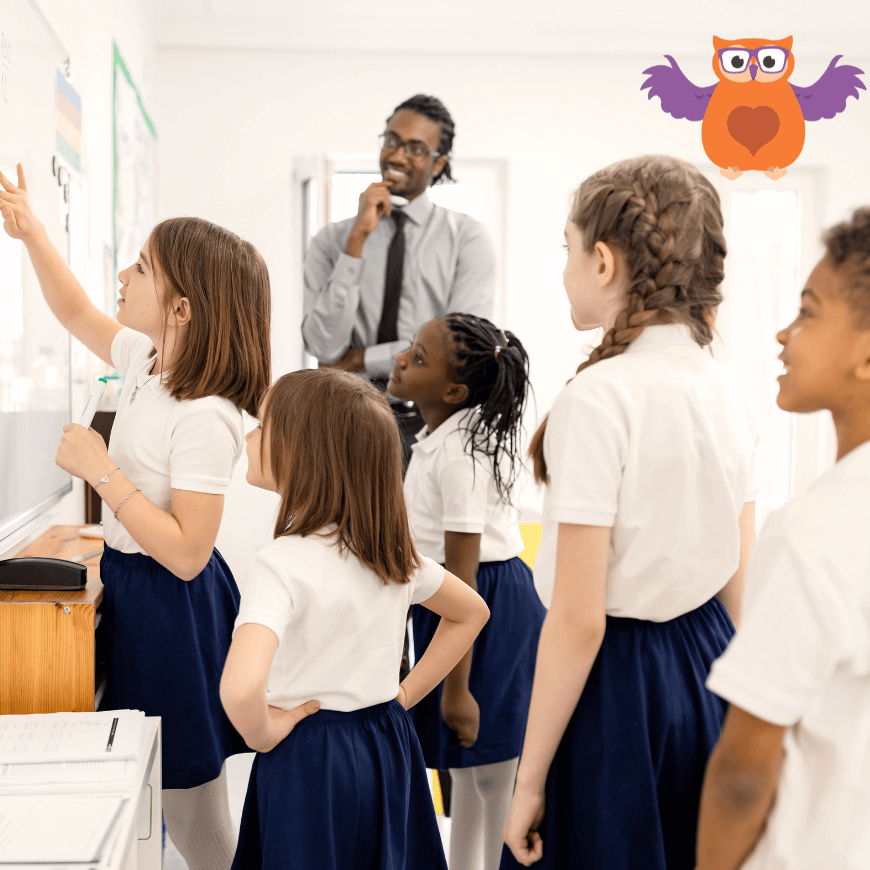
Children working around a whiteboard in a lesson

Designed to extend PSHE learning into the home, our Families programme offers support to parents and carers in helping to build emotional literacy and strengthen connections with their children. The programme bridges the gap between school and home, facilitating small-group sessions at school, and supporting stronger family relationships and pupil wellbeing. It's available exclusively to schools using Jigsaw PSHE 3-11.

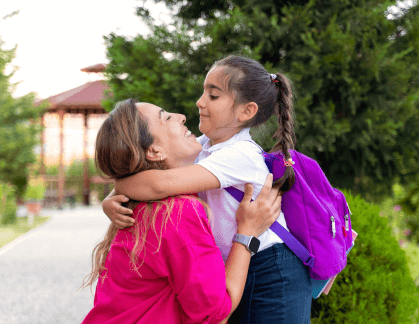
Mother and daughter hugging

Bringing PSHE learning to life in a natural setting, Outdoors is a unique programme that allows children to connect, explore and build vital skills outside the classroom. With fully planned outdoor session guides, it helps improve resilience, supports teamwork, and increases emotional wellbeing. Outdoors complements Jigsaw PSHE 3-11 for a whole-school approach, and is flexible for a wide range of school contexts.

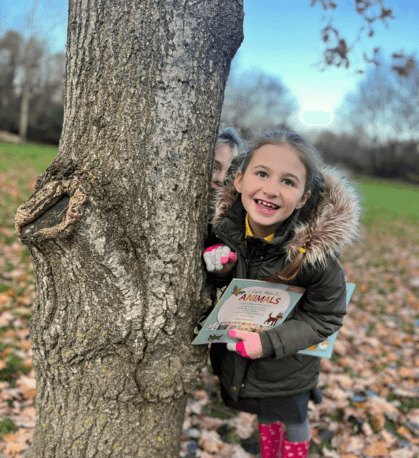
Girl smiling next to a tree

child-centred

resilient

supportive

impactful

joyful

Ready to explore?

Bring PSHE to life across your whole school, with confidence, clarity and joy.

Flexible and inclusive

Supporting emotional regulation and wellbeing For many children with SEND, learning starts with feeling safe. That’s why emotional literacy and regulation sit at the heart of Jigsaw. Across both PSHE and RE, pupils are supported to: Recognise and name their feelings Learn ways to manage emotions Build positive, healthy relationships Feel part of their school community These aren’t “add-ons”. They’re the foundations for learning.

For many children with SEND, learning starts with feeling safe which is why emotional literacy and regulation sit at the heart of Jigsaw.

Across our PSHE and RE, pupils are supported to:
  • Recognise and name their feelings
  • Learn ways to manage emotions
  • Build positive, healthy relationships
  • Feel part of their school community
  • This is supported not just through lesson content, but through consistent, multi-sensory approaches that help bring learning to life. In Primary, this includes our much-loved Jigsaw Friends, Jerrie Cat (PSHE) and Owls (RE), which:
  • Provide a familiar and reassuring presence in lessons
  • Help children express feelings in a safe, accessible way
  • Support communication, particularly for pupils who may find verbal expression more challenging
  • Create consistency and comfort through routine
  • These aren’t “extras”. They are part of how Jigsaw creates calm, supportive environments where all children, including those with SEND, can engage, express themselves and learn.
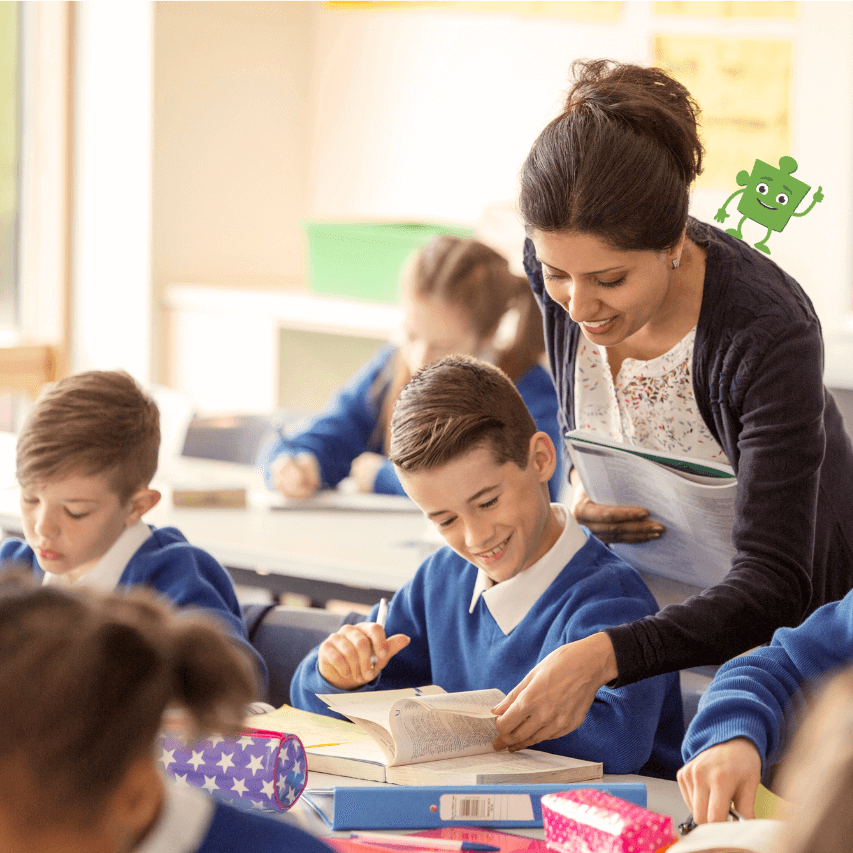
    A pupil working with a teacher