Articles & Updates
13 January 2026
Help students build confidence to challenge harmful attitudes


Challenge harmful attitudes in schools starts with helping students build confidence, self-worth, and a strong sense of belonging during their secondary years.
Most of us will have some core memories of our time at secondary school. It’s a point in our lives when we start a journey of self-discovery and begin to compare ourselves against our peers.
There’s a need to fit in, or for some students a need to stand out and peer pressure has always been an issue during the teenage years. You’ve probably seen your students feeling the pressure to go along with views they don’t really agree with or fully understand.
This can be the case with students’ views of women and girls.
It takes real strength of character to stand up and question the codes and beliefs of your classmates. But it’s this inner strength and sense of self-worth that can help students resist harmful attitudes like misogyny.
So how do you build this sense of self belief in young people particularly at a stage of life when confidence can easily be knocked.
Our Tackling Misogyny in Secondary Schools Guide includes practical strategies from teachers on how they are helping their students to build a strong sense of self-worth. Here are some key ones:
1. Help students trust their instincts
It’s important to ensure you build emotional regulation and self esteem into your PSHE teaching, through a student’s entire time at school. A consistent message helps young people to develop resilience to trust their instincts and be the best version of themselves. This instinctive confidence is what enables them to question misogynistic behaviour instead of quietly accepting it.
2. Show students they belong – and matter
Giving students roles on committees or positions of responsibility is a great way to show students that they matter to the school community. Where possible, it’s good to balance these roles between boys and girls. It’s also important to ensure that those who are influenced by misogyny are actively engaged and included.
Tracey Neale, assistant headteacher, Ysgol Gyfun Cwm Rhymni says “Part of the reason boys end up on incel forums is because they have low self-worth. We try and show our students that everyone is important by inviting students to contribute positively to the school.”
When students truly feel they belong, they are far less likely to look for validation in misogynistic spaces.
3. Ask student’s what they think
A particularly effective strategy for disengaged students is to create opportunities for them to be actively involved in school decision-making. Give them agency by showing them, their views are respected and, if possible, acted upon. Feeling listened to is a powerful antidote to the lure of misogynistic influencers.
Adam Brooks, deputy headteacher, St Andrew’s Catholic School did exactly this at his school when he asked some sixth formers to review the school’s PSHE teaching. “The students said the school did nothing about safe online dating – and in sixth form that is important. So, the school developed a module on using dating apps safely, which was a big step, particularly for a Catholic school. Our leadership team recognised that the student voice is essential for making students feel valued.”
When students feel respected, they will be more confident in challenging harmful attitudes, including misogyny.
For more tips on how to address misogynistic attitudes and help students build positive relationships, download our FREE Tackling Misogyny in Secondary Schools Guide
Our free resources
On Demand Webinars
19 January 2026
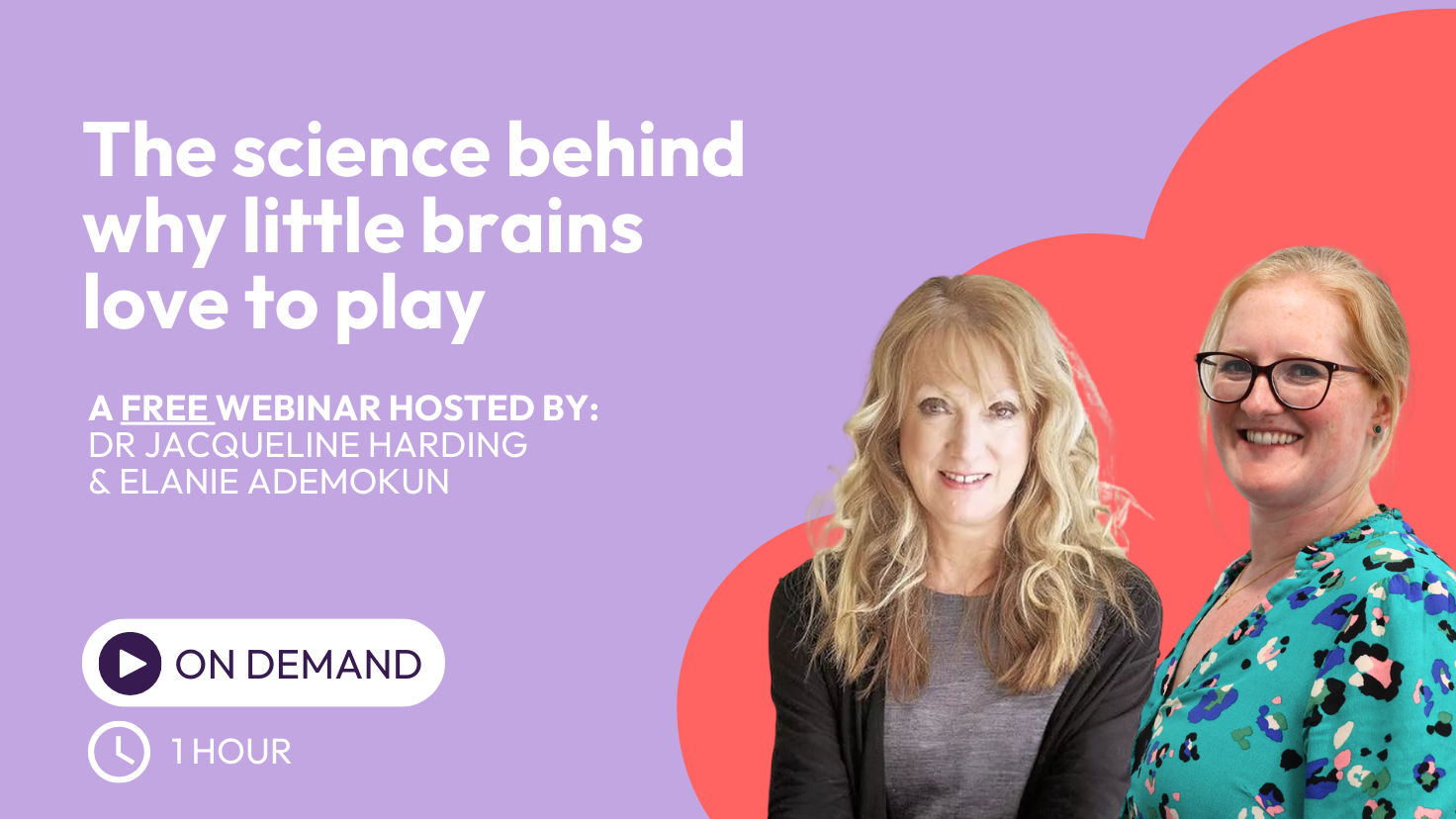
The science behind why little brains love to play with Dr Jacqueline Harding
On Demand Webinars
21 January 2026
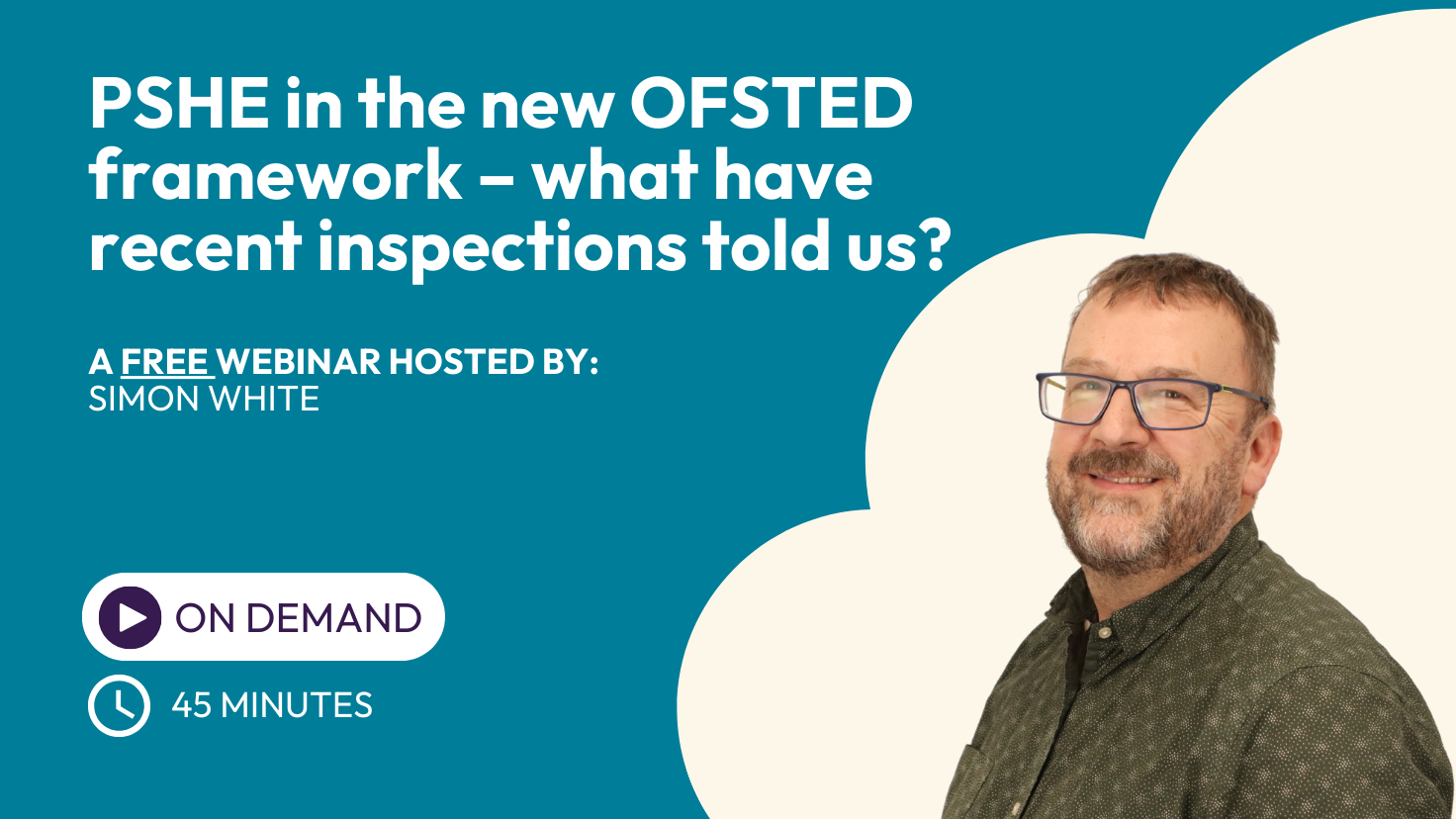
PSHE in the new OFSTED framework – what have recent inspections told us?
On Demand Webinars
21 January 2026
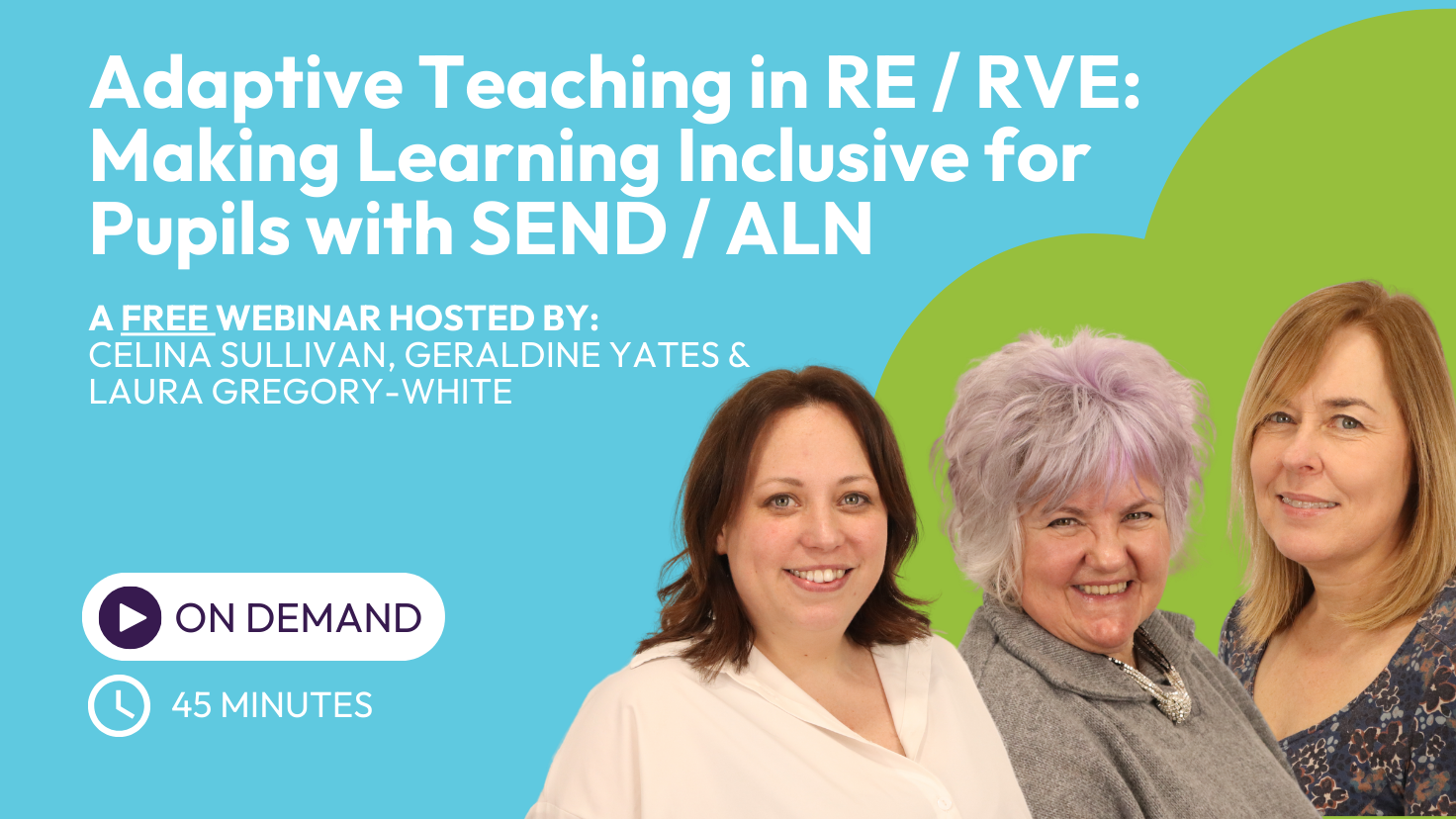
Adaptive Teaching in RE / RVE: Making Learning Inclusive for Pupils with SEND / ALN

Upcoming Webinars
23 January 2026
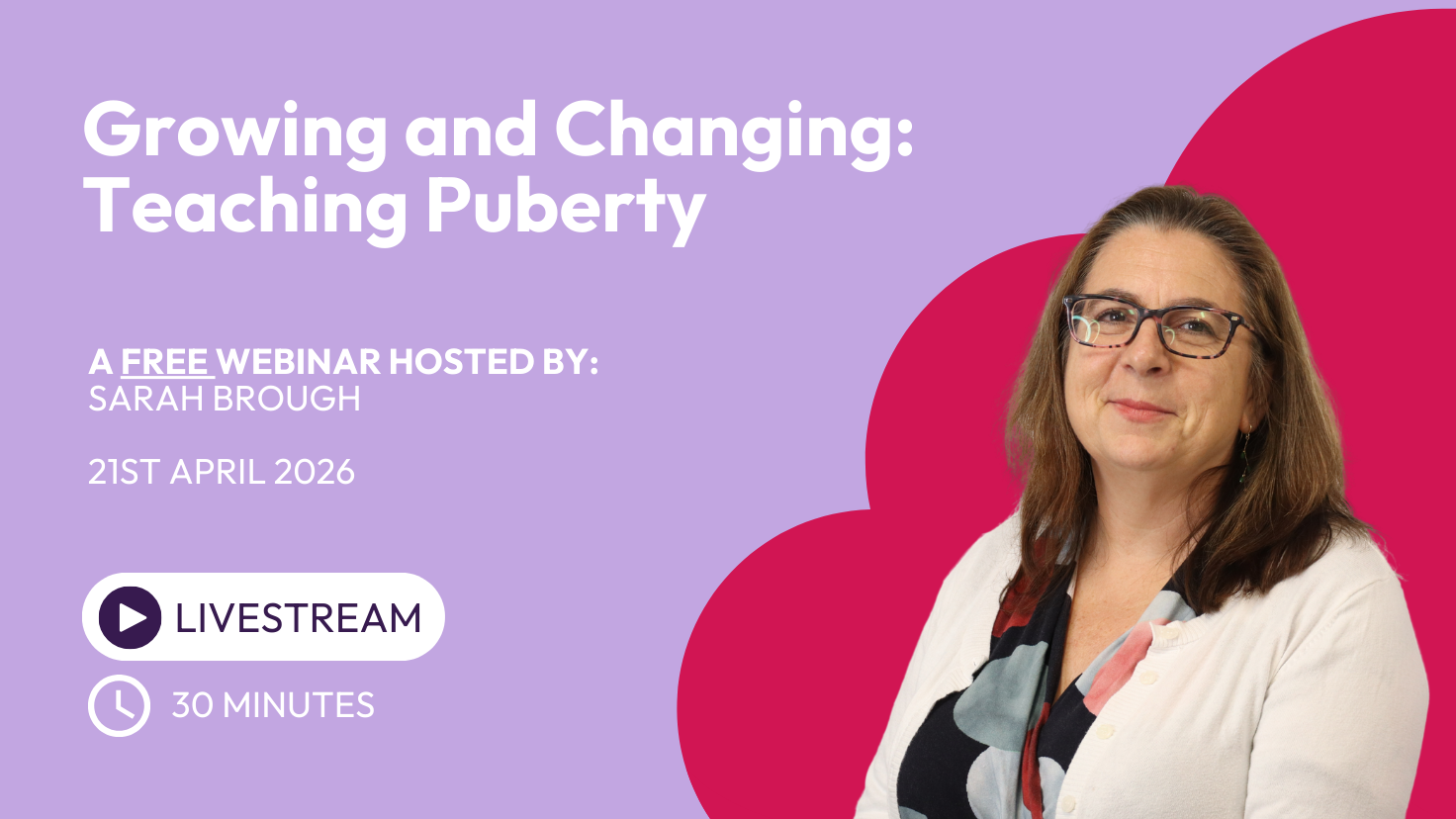
Teaching Human Reproduction: Why Teach It in Primary School – and How?
Upcoming Webinars
24 March 2026
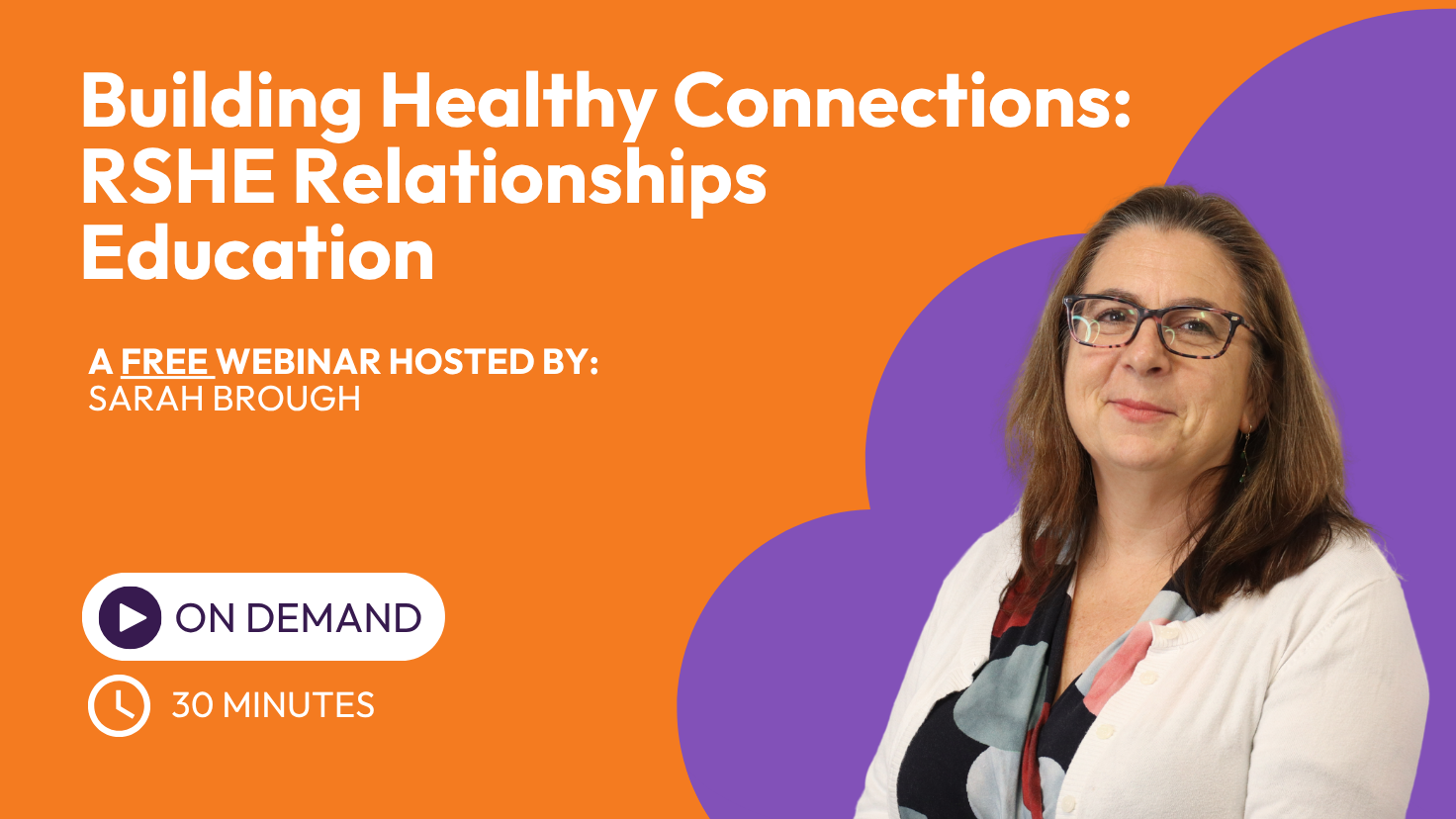
Confident, Informed, Prepared: A Secondary RSHE Webinar Series for PSHE Leads and Teachers
Upcoming Webinars
12 March 2026
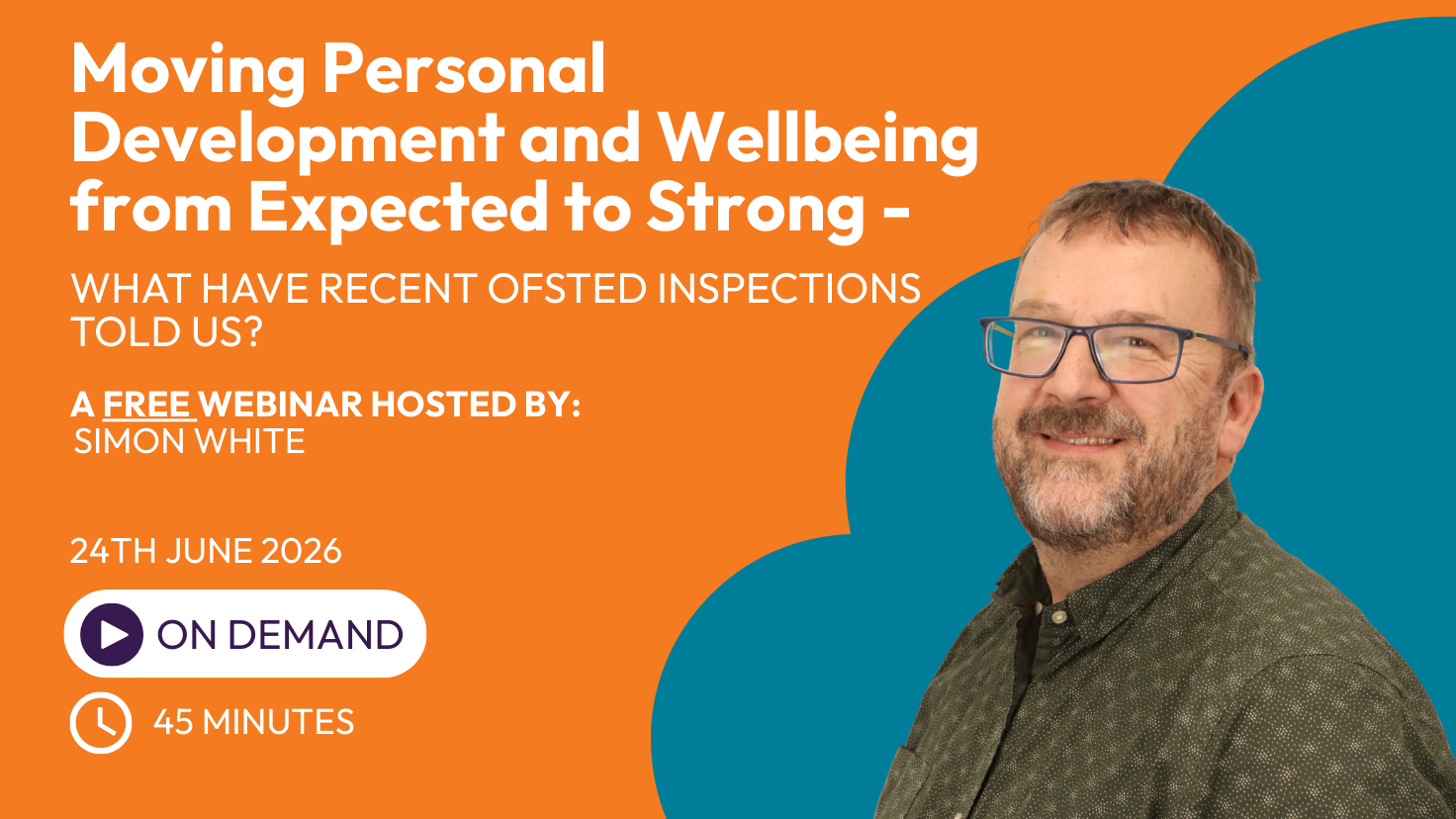
Moving Personal Development and Wellbeing from Expected to Strong – What have recent OFSTED inspections told us?
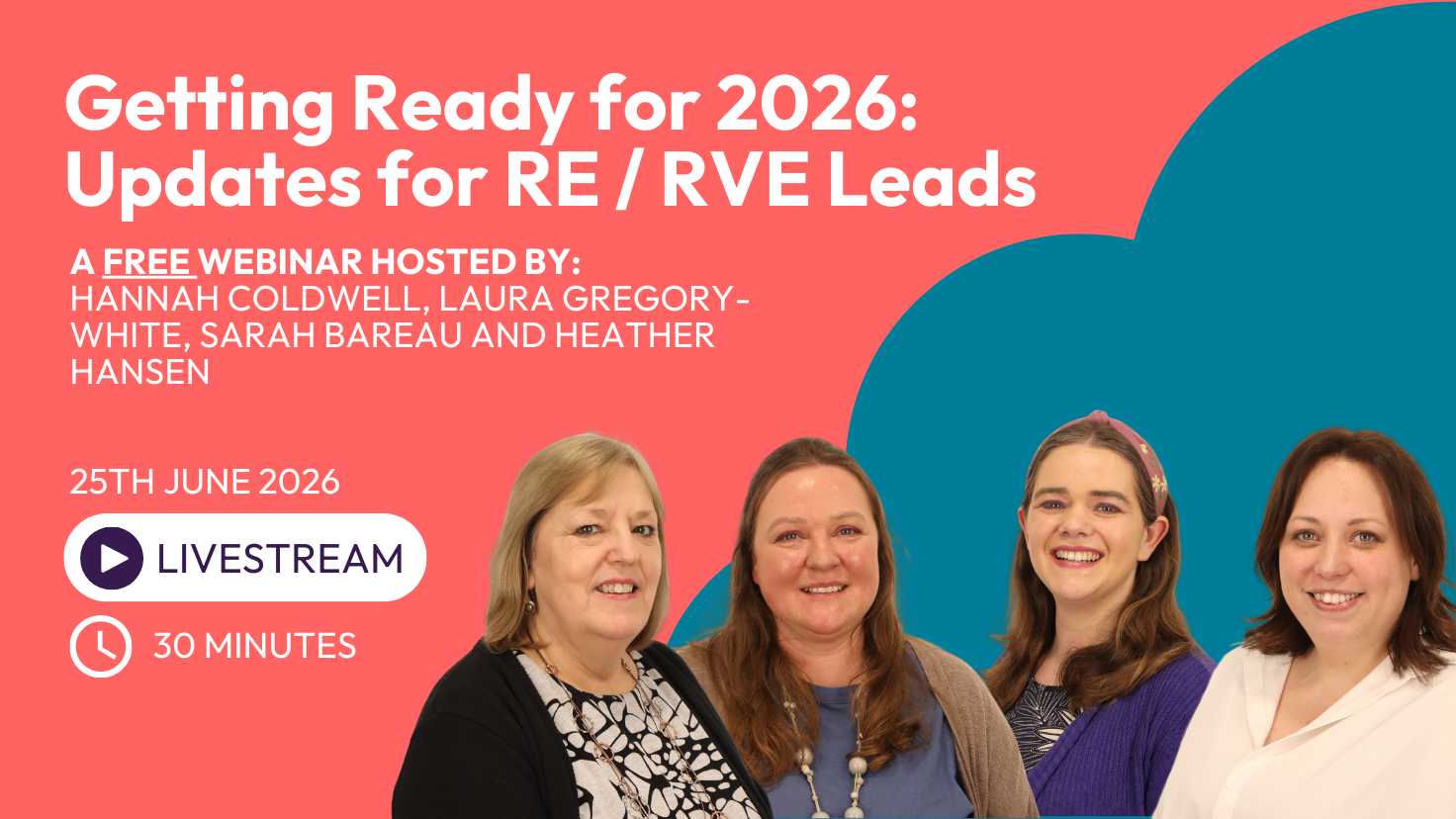
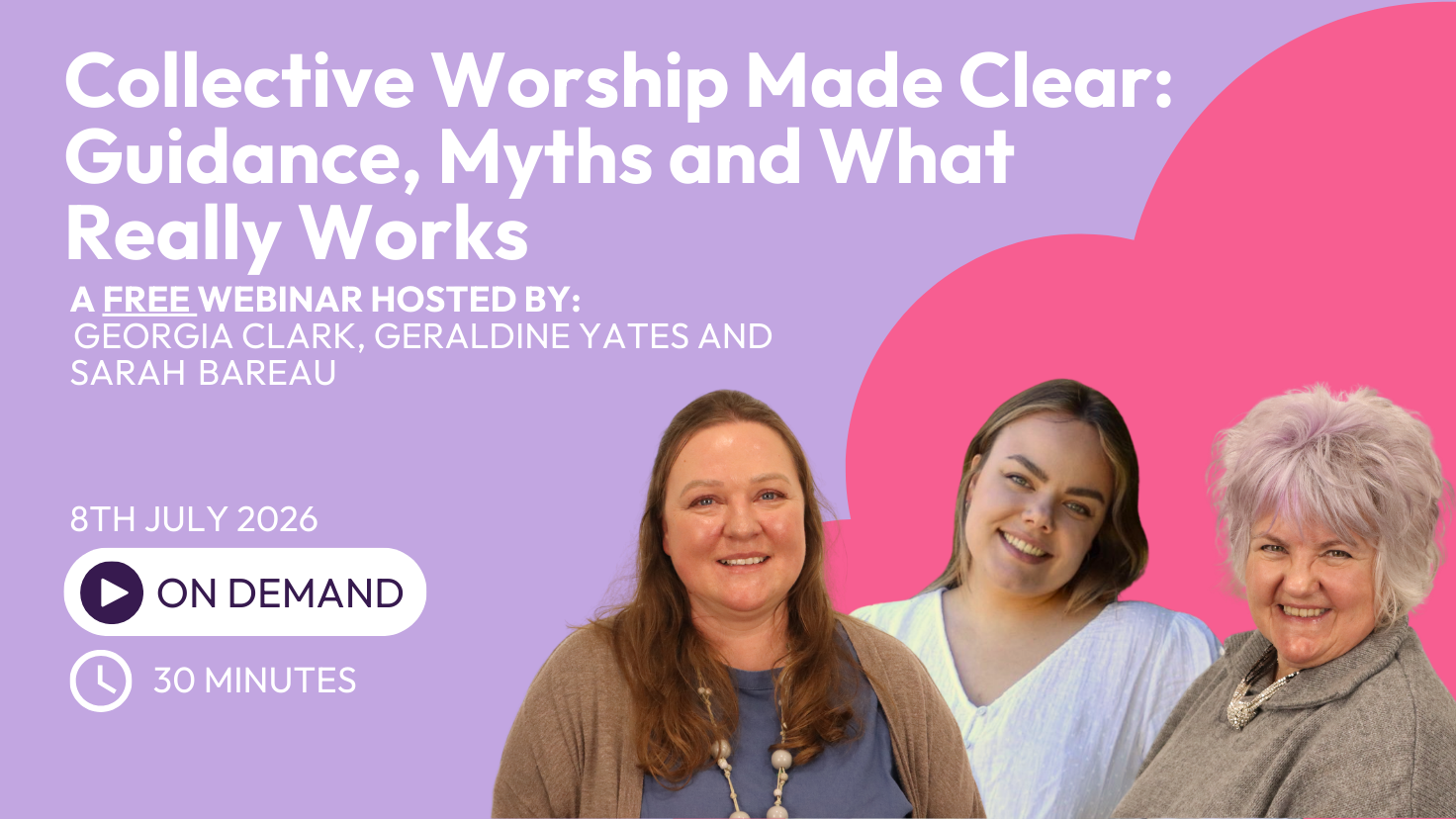
On Demand Webinars
27 November 2025
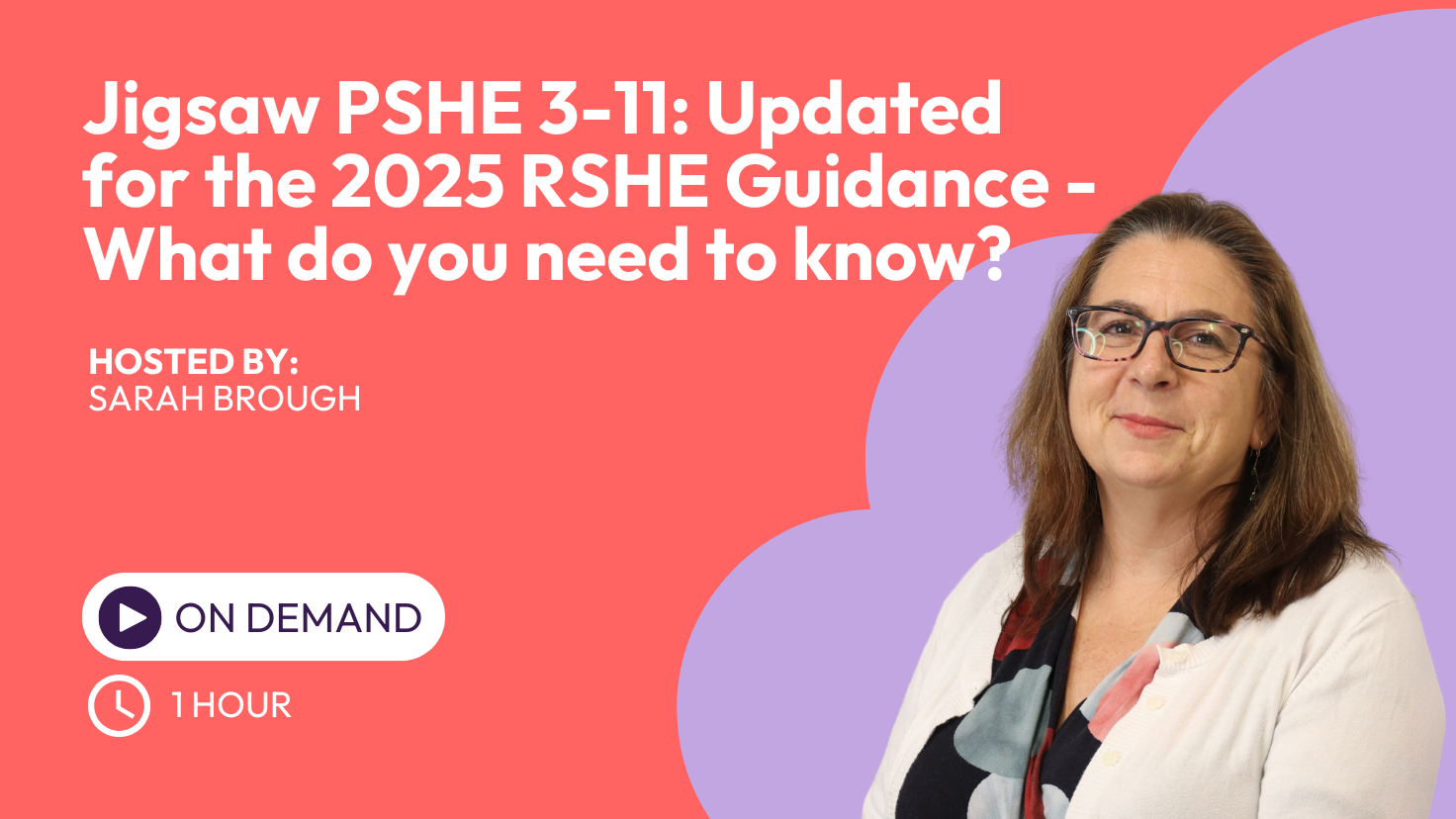
Jigsaw PSHE 3-11: Updated for the 2025 RSHE Guidance – What do you need to know?
On Demand Webinars
27 November 2025
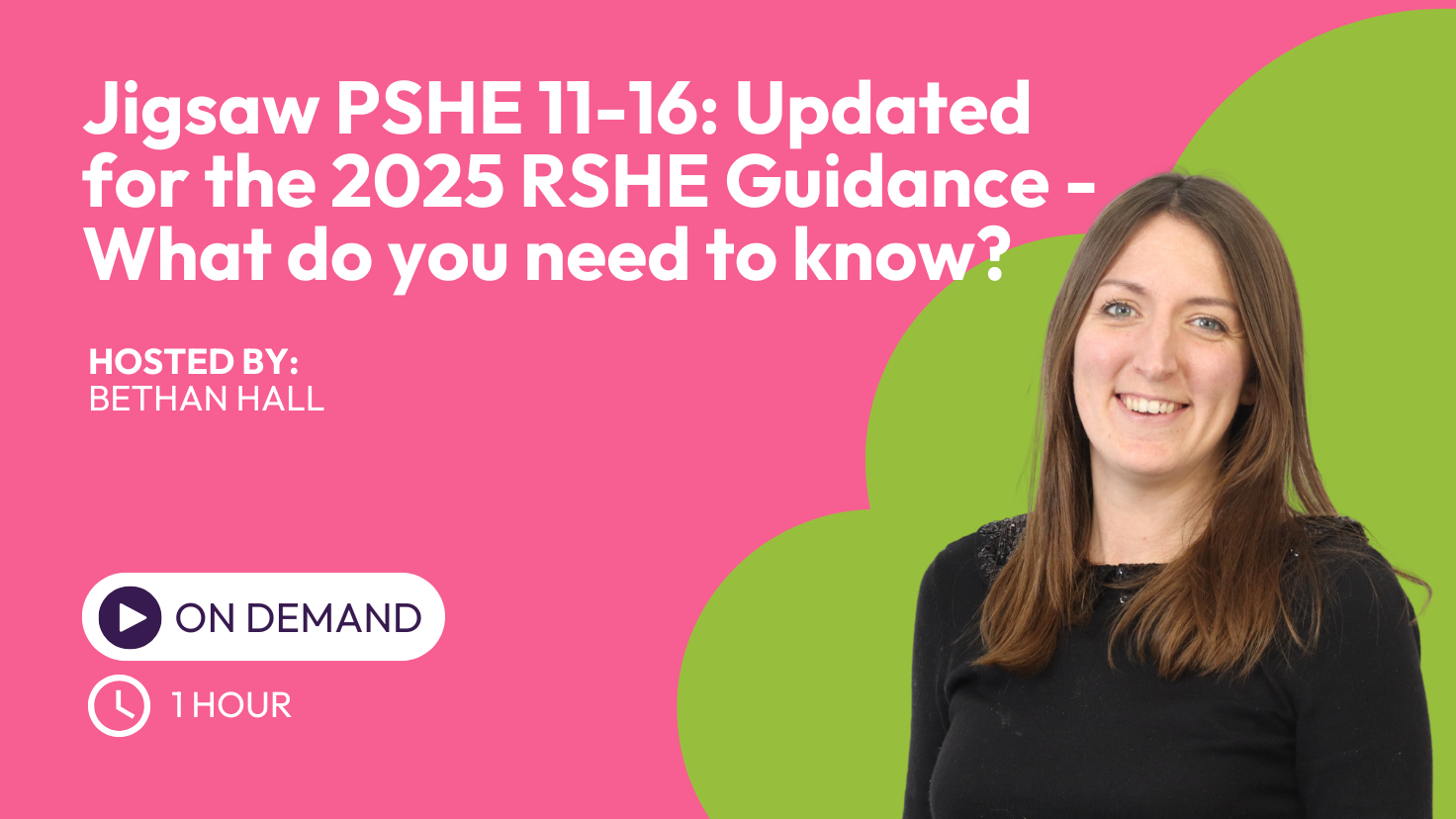
Jigsaw PSHE 11-16: Updated for the 2025 RSHE Guidance – What do you need to know?
On Demand Webinars
19 January 2026
PSHE and RSHE: Getting Your Policy Right and Bringing Parents & Governors onboard


On Demand Webinars
23 October 2025
Deep and meaningful RE: Exploring 4 steps you can take to improve RE in your school?



Articles & Updates
13 January 2026
How to build mutual respect between boys and girls in the classroom


Articles & Updates
06 October 2025
Navigating the new RSHE statutory guidance: ensuring meaningful implementation


Articles & Updates
16 September 2025
Beyond the Headlines – Why Our Children Need Safe Spaces for Complex Conversations




Articles & Updates
11 June 2025
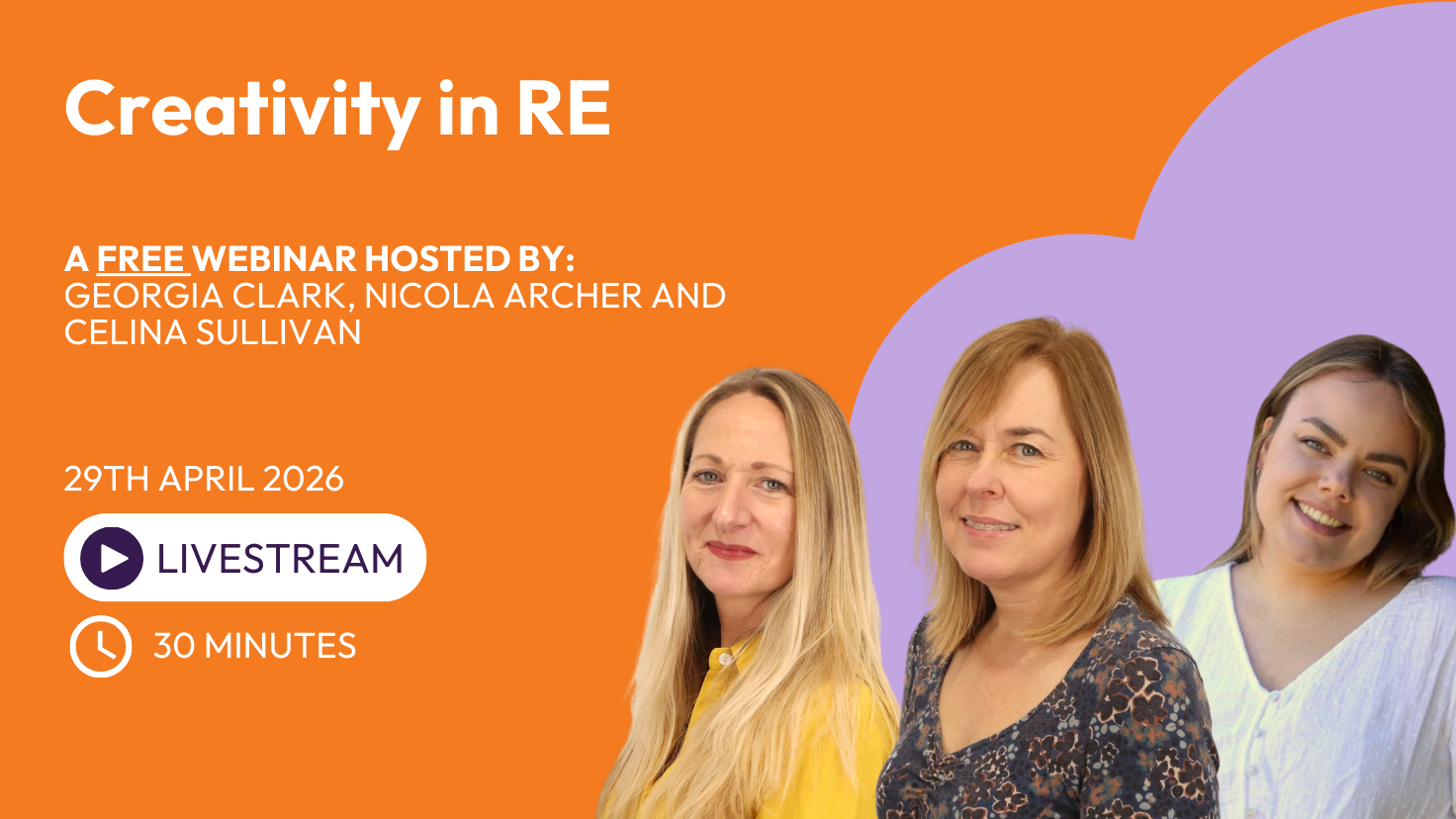
Sustainability in Religious Education: Where Faith Meets Environmental Stewardship