Articles & Updates
13 January 2026
How to build mutual respect between boys and girls in the classroom


Mutual respect between boys and girls is essential for creating safe, inclusive classrooms where all students feel valued and understood.
For many complex reasons, misogyny is becoming a growing concern in society, particularly among young people. Misogynistic thinking is rooted in harmful stereotypes, often driven by a lack of understanding about the pressures, experiences and values that matter to different people.
Tackling this starts with building mutual respect between all students and helping them to better understand each other’s perspectives.
Schools can’t be expected to solve misogyny alone, but teachers are on the frontline, guiding young people to question what they see and hear, challenging harmful assumptions, and creating environments where everyone feels safe to be themselves.
Here are four practical ideas you can use in your classroom to help build a culture of respect.
1. Promote better understanding
A good exercise to try is to ask students in mixed-gender groups to list a few challenges they think the other group faces. Boys may mention pressures around appearance or safety, while girls might highlight expectations on boys to appear tough or hide emotions. Use these responses to discuss shared pressures, challenge assumptions and emphasise the importance of empathy and mutual understanding.
Charli Faux, subject lead for Life Skills, Bisop’s Hatfield Girls School talks about how they address this in a single sex school. “Although we are a girl’s school, we make sure we talk about the pressures on boys as well as girls in our teaching. When we have conversations about body image, mental health or sexual assault, we talk about the impact of the issues on boys too.”
2. Focus on respectful language
It can be difficult if you are in the middle of a lesson and you hear some inappropriate comments. But it’s crucial that any disrespectful language is called out as soon as it’s noticed to demonstrate that this won’t be tolerated within the school. As well as making it clear that this behaviour isn’t acceptable, it creates an opportunity to discuss the impact of this kind of talk with students and to emphasise the power of positive language.
Adam Brooks, deputy headteacher, St Andrew’s Catholic School says “The language children use is taking a more extreme tone than previously, and I think that’s the case in society generally. If someone has used racist or misogynistic language, we will educate everyone about what the word actually means, and it’s historical context and background, so students know why they shouldn’t use it.”
3. Talk about healthy relationships
It makes more sense to young people if you give examples they can relate to, when you talk about relationships. Misogyny can shape what young people think a relationship should look like, so it’s really valuable to use reality shows to help students see the difference between unhealthy and healthy relationships.
Charli Faux, subject lead for Life Skills, Bisop’s Hatfield Girls School says “Asking students to give examples of relationships they see on television shows can inspire some interesting discussions. It allows students to look at relationships from both sides and to think what is good or bad about the way men and women are speaking to each other.”
4. Praise good behaviour
Schools are well placed to combat misogynistic role models, because they are full of their own positive role models who can demonstrate many different facets of positive masculinity. Teachers, other staff members and older students can all take an active part in supporting students.
Praising examples of positive masculinity like helping a younger student or being polite to staff is a great way to build a culture rooted in respect and empathy.
Adam Brooks, deputy headteacher, St Andrew’s Catholic School explains how they do this at his school, “All students take part in a character education programme where they are rewarded for the values of integrity, honesty and kindness. It’s a gradual drip-feed so every day the children are reminded to, ‘just be kind’. No one needs to stand up and say
‘Don’t be misogynistic’, or ‘don’t be racist or homophobic’, because that is already understood.”
Misogyny thrives on division, but schools can provide opportunities to breakdown that division by encouraging respectful behaviour and helping children to recognise what makes a safe environment for everyone.
For more tips on how to create a safe space for all your students download our FREE Tackling Misogyny in Secondary Schools Guide
Our free resources
On Demand Webinars
19 January 2026
The science behind why little brains love to play with Dr Jacqueline Harding
On Demand Webinars
21 January 2026
PSHE in the new OFSTED framework – what have recent inspections told us?
On Demand Webinars
21 January 2026
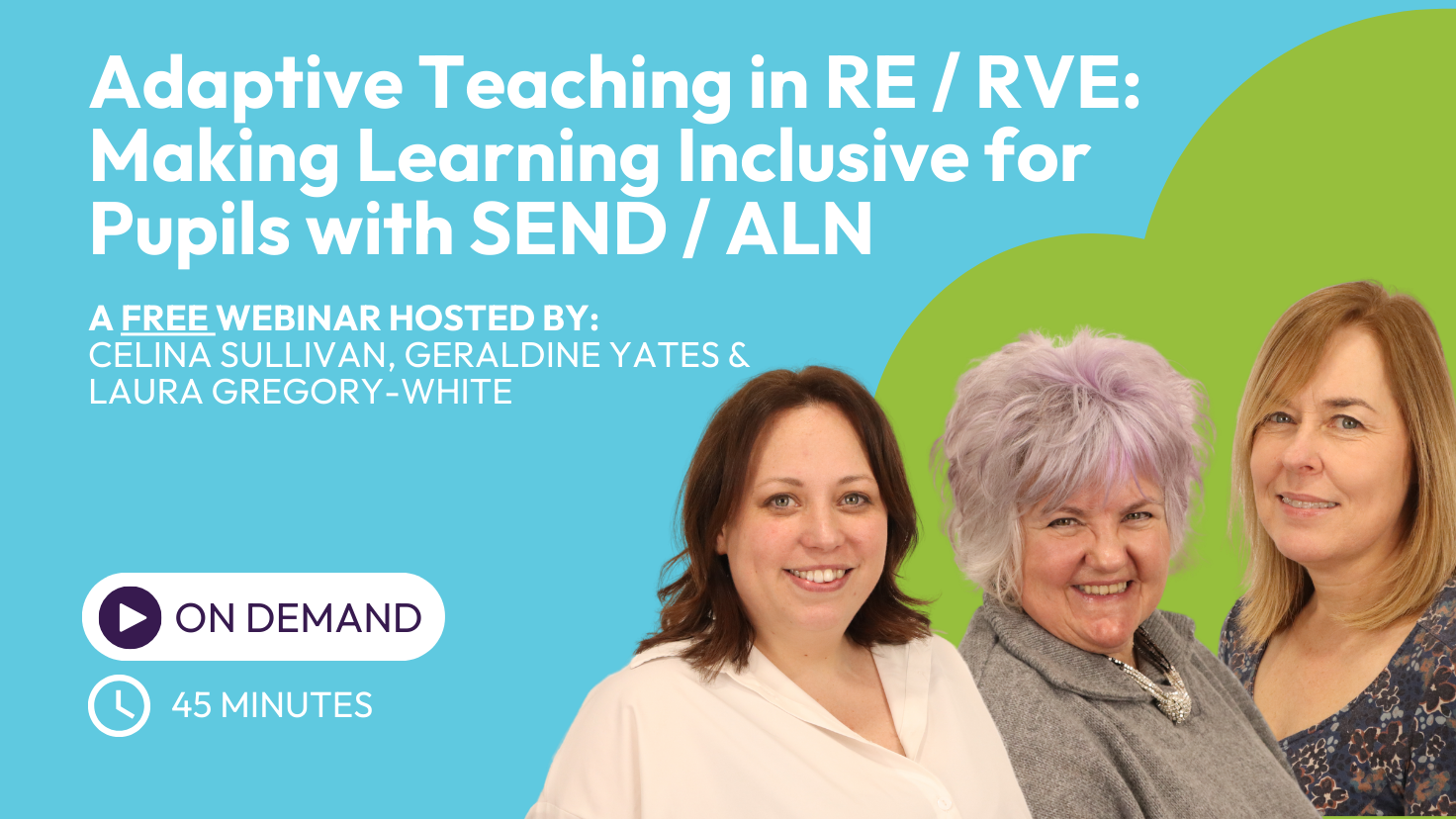
Adaptive Teaching in RE / RVE: Making Learning Inclusive for Pupils with SEND / ALN

Upcoming Webinars
23 January 2026
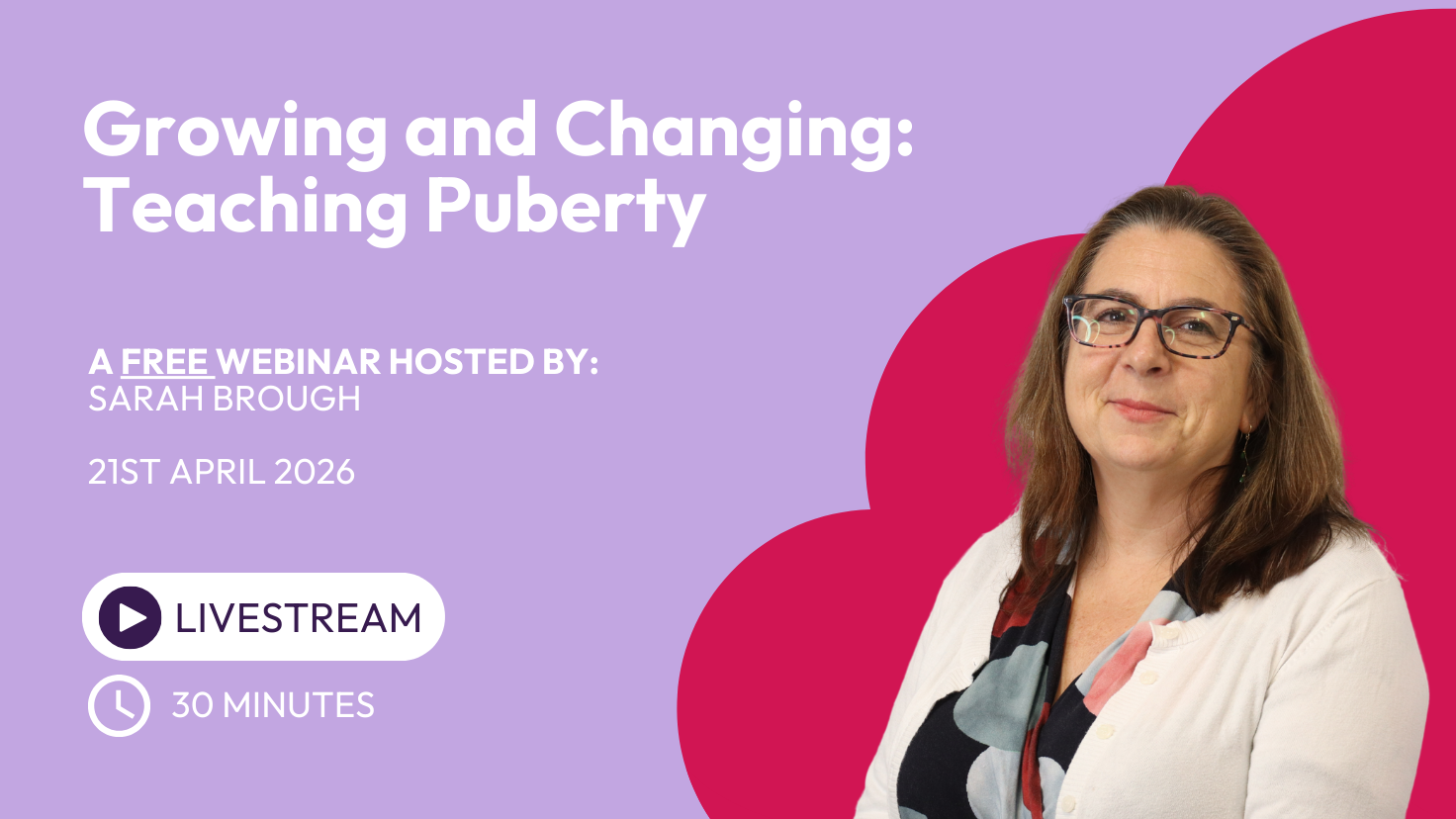
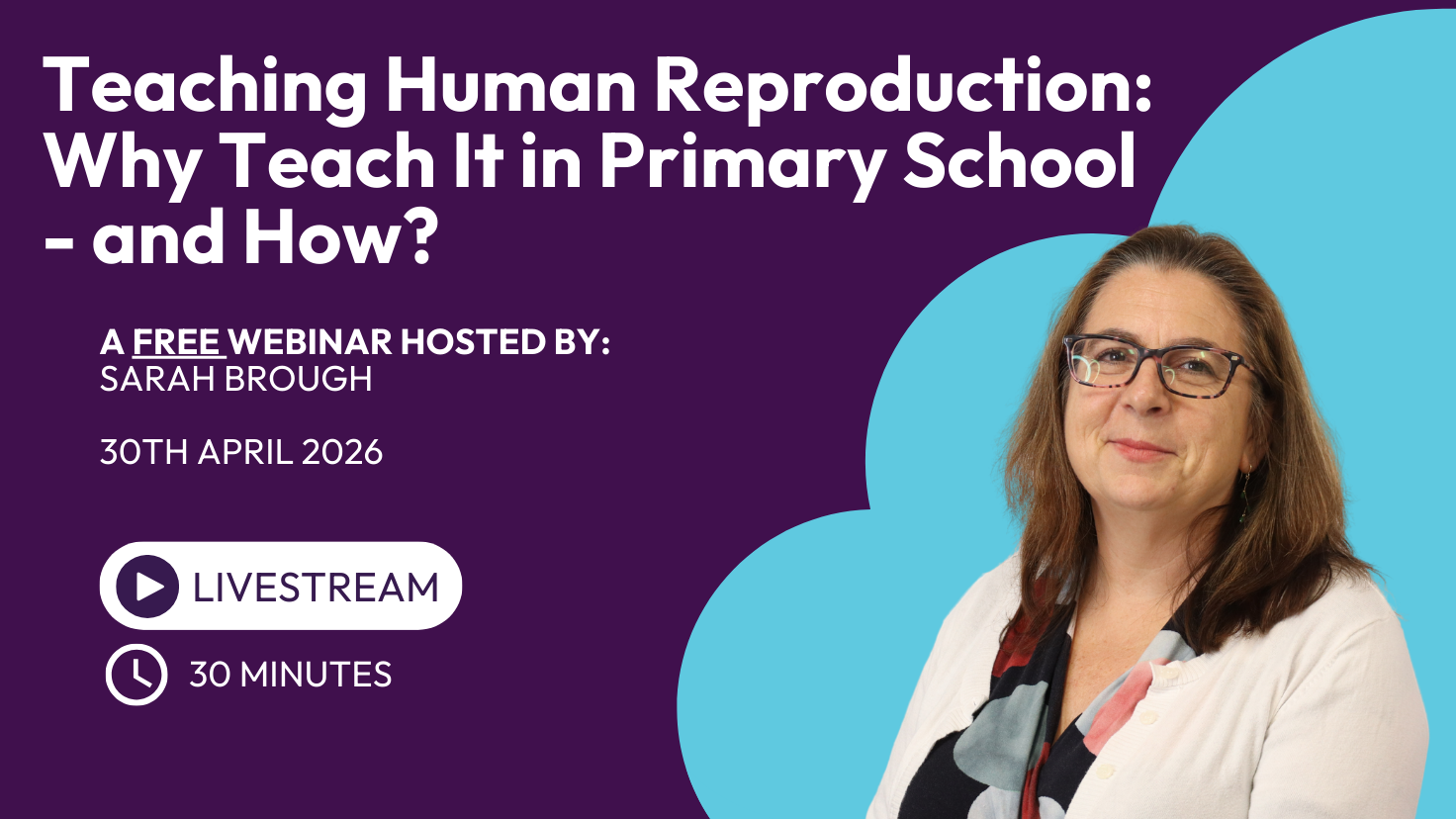
Teaching Human Reproduction: Why Teach It in Primary School – and How?
Upcoming Webinars
24 March 2026
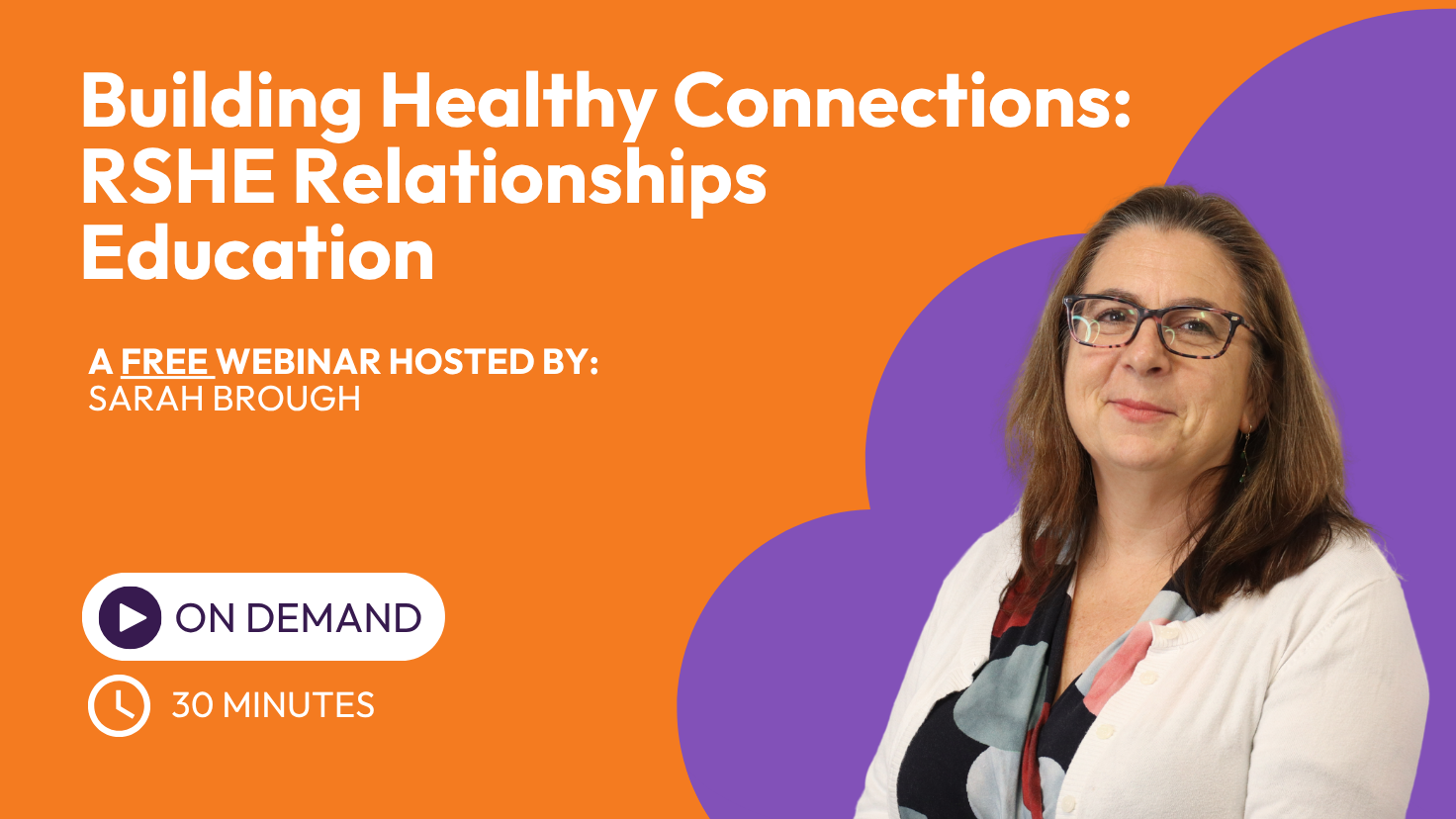
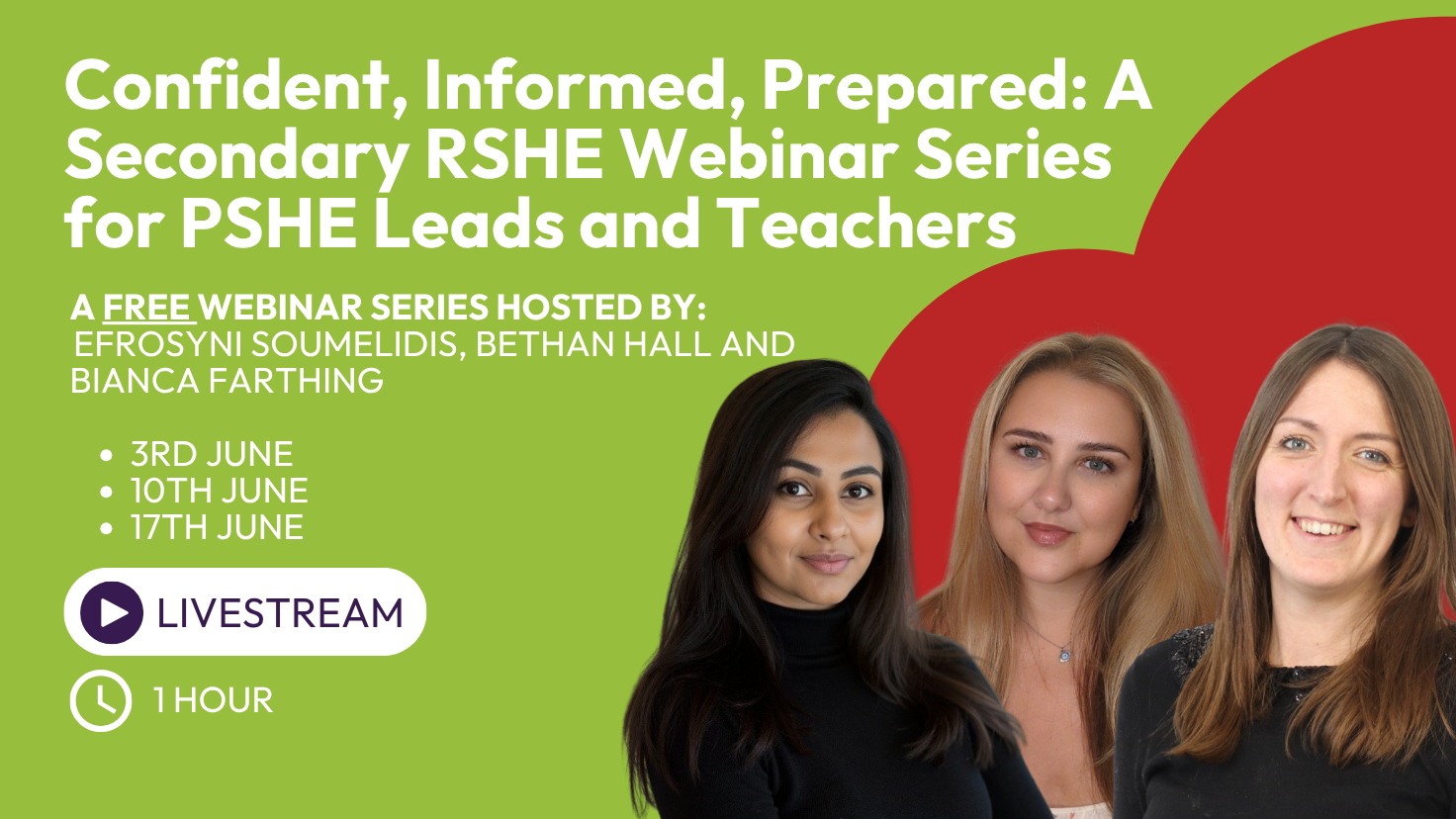
Confident, Informed, Prepared: A Secondary RSHE Webinar Series for PSHE Leads and Teachers
Upcoming Webinars
12 March 2026
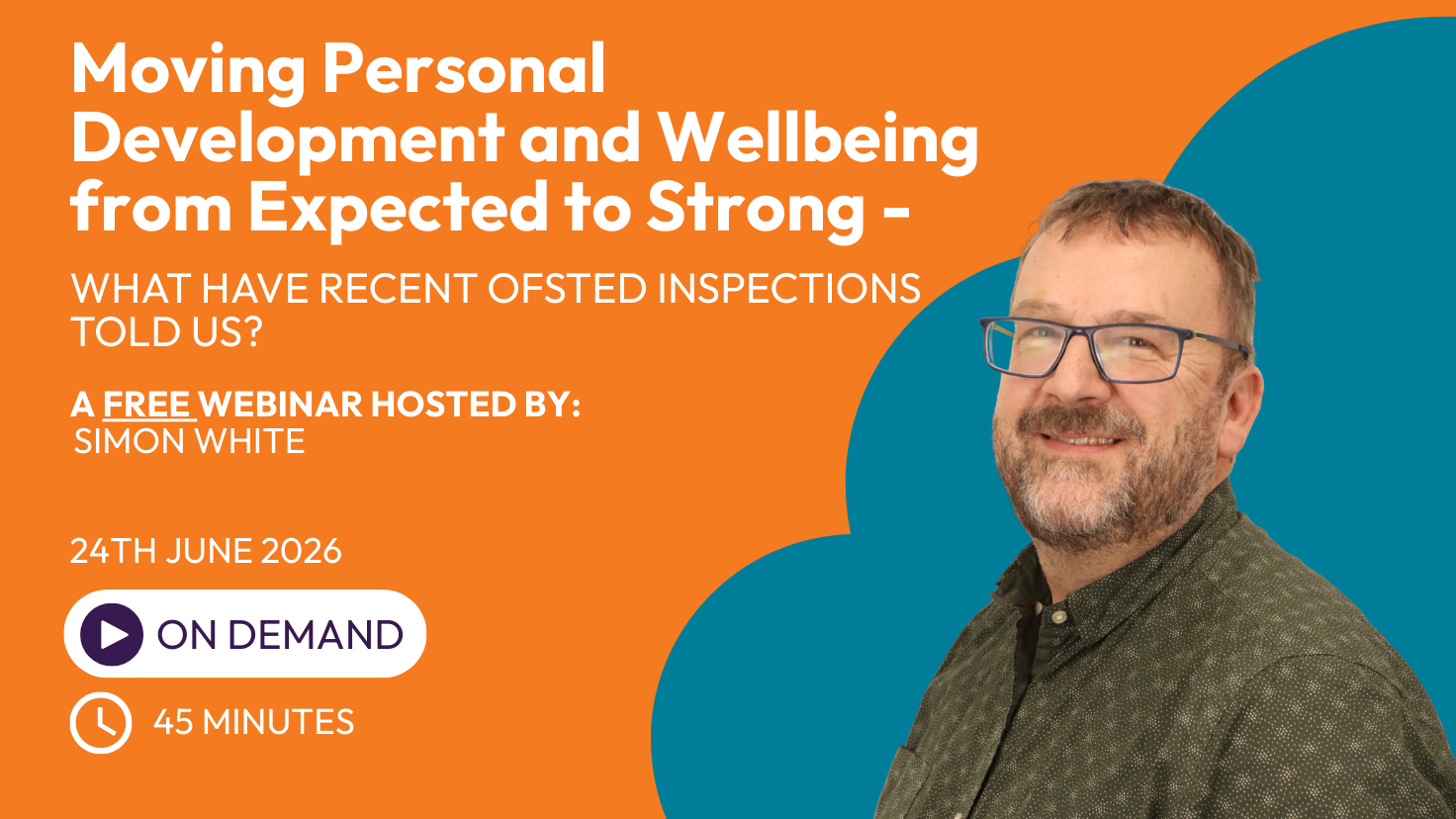
Moving Personal Development and Wellbeing from Expected to Strong – What have recent OFSTED inspections told us?

On Demand Webinars
27 November 2025
Jigsaw PSHE 3-11: Updated for the 2025 RSHE Guidance – What do you need to know?
On Demand Webinars
27 November 2025
Jigsaw PSHE 11-16: Updated for the 2025 RSHE Guidance – What do you need to know?
On Demand Webinars
19 January 2026
PSHE and RSHE: Getting Your Policy Right and Bringing Parents & Governors onboard


On Demand Webinars
23 October 2025
Deep and meaningful RE: Exploring 4 steps you can take to improve RE in your school?






Articles & Updates
06 October 2025
Navigating the new RSHE statutory guidance: ensuring meaningful implementation


Articles & Updates
16 September 2025
Beyond the Headlines – Why Our Children Need Safe Spaces for Complex Conversations


Articles & Updates
11 June 2025
Sustainability in Religious Education: Where Faith Meets Environmental Stewardship