Articles & Updates
08 January 2026
How can we challenge online misogyny in schools?


Online misogyny in schools is a growing concern, as it increasingly influences how young people think about gender, relationships and identity.
Students are no longer influenced by just their family, friends and community as social media platforms are introducing them to the unfiltered views of strangers.
And the very nature of these platforms means that when a student views misogynistic or harmful content, the algorithms amplify it and then creates echo chambers where harmful attitudes can become normalised.
Many teachers report concerns about figures like Andrew Tate influencing boys’ attitudes and behaviours towards girls. A survey by Teacher Tapp survey found that 80% of teachers highlighted the views of Andrew Tate and similar as impacting male students.
Protecting young people
To safeguard students from online influences and harmful behaviour that they may see on the internet requires a whole-school approach built on curiosity, evidence, modelling, and a culture of respect.
Teachers featured in our Tackling Misogyny in Secondary Schools Guide shared several practical strategies for addressing harmful attitudes without positioning boys as the problem, including:
1. Open up conversations rather than shutting them down
Instead of disciplining students immediately when harmful comments are made, staff should make it clear that things students may see online including misogynistic language is unacceptable, then follow up later in a safe space where students can reflect on the impact of their words and what they’ve seen. This also reassures affected peers that harmful behaviour isn’t ignored.
Teachers in the guide noted that these conversations can be reinforced by pairing students with a mentor who models positive behaviour.
2. Train specialists to handle sensitive conversations
Not all staff will feel confident addressing behaviour such as misogynistic comments. Some schools train specific pastoral or safeguarding staff who are equipped to support students to de-escalate, unpick misinformation, and reflect on how their comments affect others.
3. Challenge misinformation with evidence
Students often repeat narratives they see online. Schools can counter these by using real statistics and research to correct misconceptions. For example, research cited in the guide shows that only 4% of sexual violence cases reported to the police are suspected or found to be false, helping dispel myths about false allegations.
4. Teach students value and respect
Misogynistic influencers and harmful online content exploit young people’s need to belong and relies on young people accepting content at face value.
Schools can counter this by giving students meaningful roles, promoting emotional regulation, and ensuring equality committees and leadership roles are balanced and inclusive of students who may be drawn into harmful beliefs.
Encouraging them to question the intentions behind online content, spot manipulative tactics, and understand how algorithms amplify extreme messages helps reduce the impact and influence of harmful voices.
Alongside this, schools can encourage a culture where respectful dialogue is the norm. Teachers in the guide described modelling constructive debate, helping students challenge misinformation, and equipping them to call out harmful attitudes in ways that feel safe and supported. By empowering students to analyse what they see online and uphold positive norms offline, schools can weaken the pull of misogynistic narratives.
5. Provide positive role models, especially male role models
Some students look to misogynistic influencers because they lack positive male role models. Schools can present alternative forms of masculinity through staff, peers, and external speakers who demonstrate that strength includes kindness, vulnerability, and equality.
Schools also encourage older students to mentor younger pupils, giving them role models grounded in empathy rather than dominance.
6. Educate students about the dangers and impact of online influences
Schools play a crucial role in helping young people navigate harmful online behaviours, including misogyny. A strong starting point is education and using PSHE sessions to explain what online misogyny looks like, the language it uses, and why it’s so damaging.
Students should understand that some influencers package extreme views as harmless ‘life hacks.’ Alongside this, schools can respond directly to issues as they occur.
Adam Brooks, Deputy Headteacher at St Andrew’s Catholic School, describes taking whole year groups off timetable for enrichment sessions that address real incidents. If a student circulates an inappropriate video around school, they will talk about the impact it’s had on other students or why the content could be misunderstood. This timely and honest approach builds empathy and encourages students to think critically about their online actions.
For more tips on the best way to tackle misogyny in your school, download our FREE Tackling Misogyny in Secondary Schools Guide
Our free resources
On Demand Webinars
19 January 2026
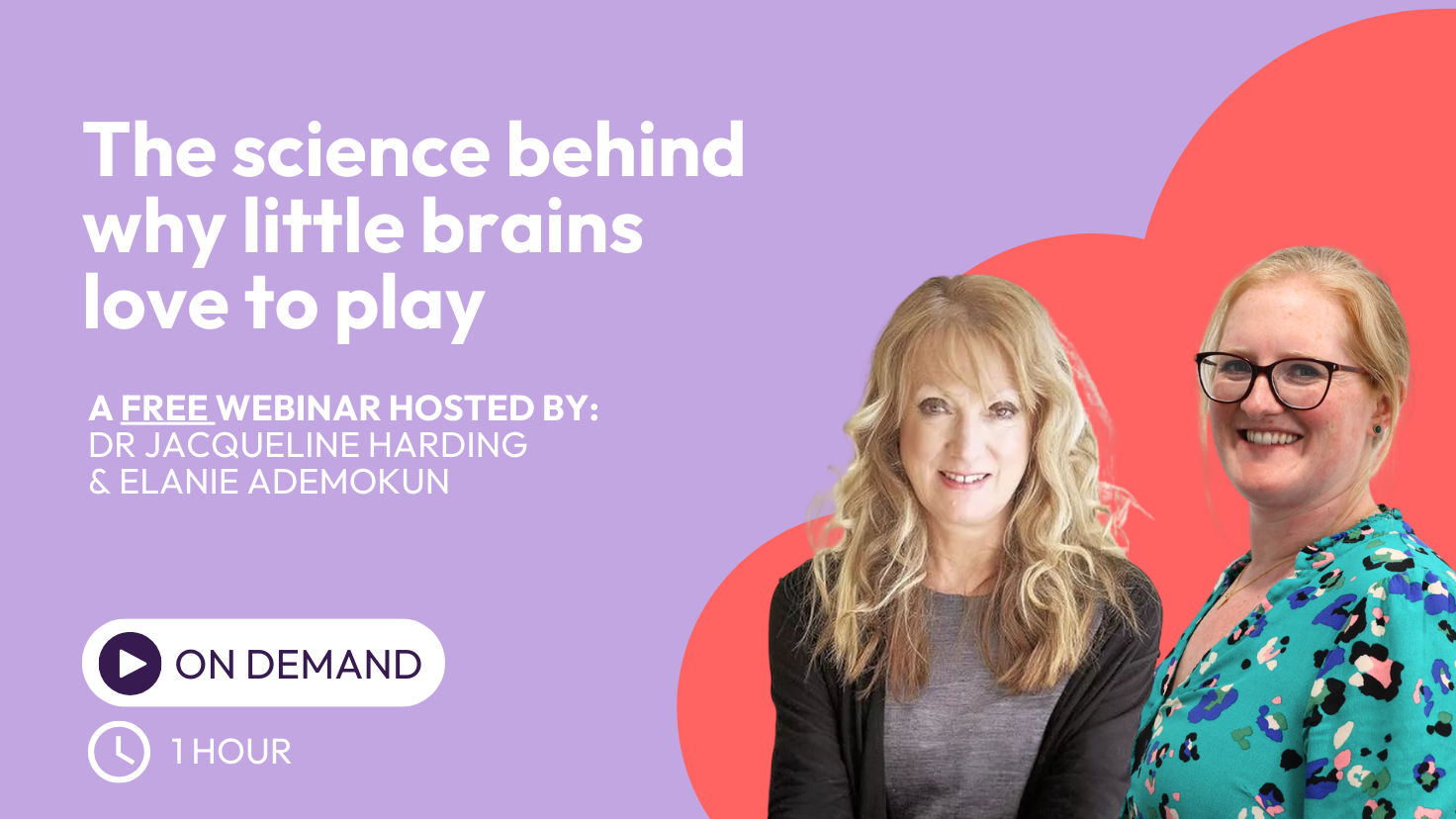
The science behind why little brains love to play with Dr Jacqueline Harding
On Demand Webinars
21 January 2026
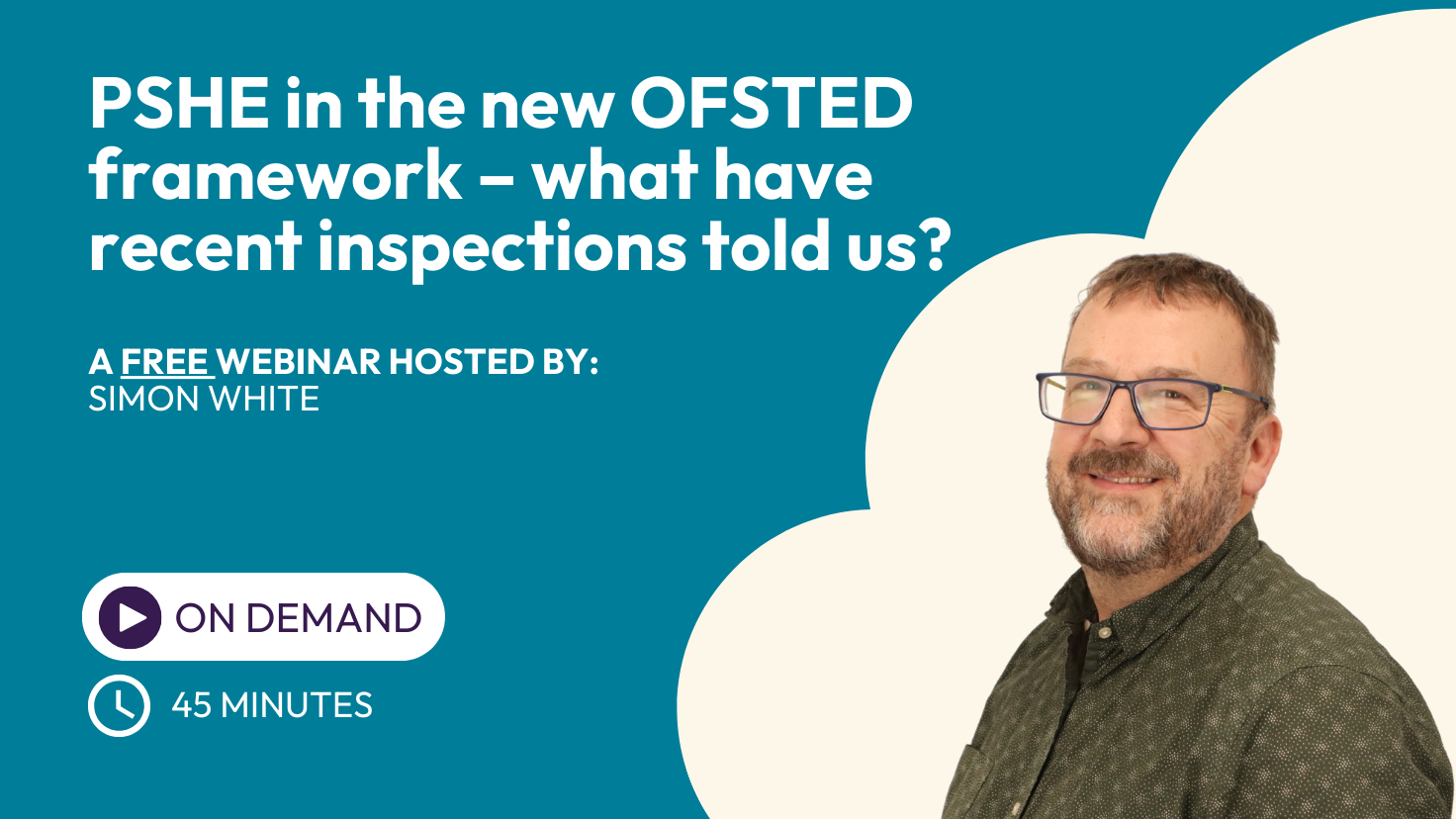
PSHE in the new OFSTED framework – what have recent inspections told us?
On Demand Webinars
21 January 2026
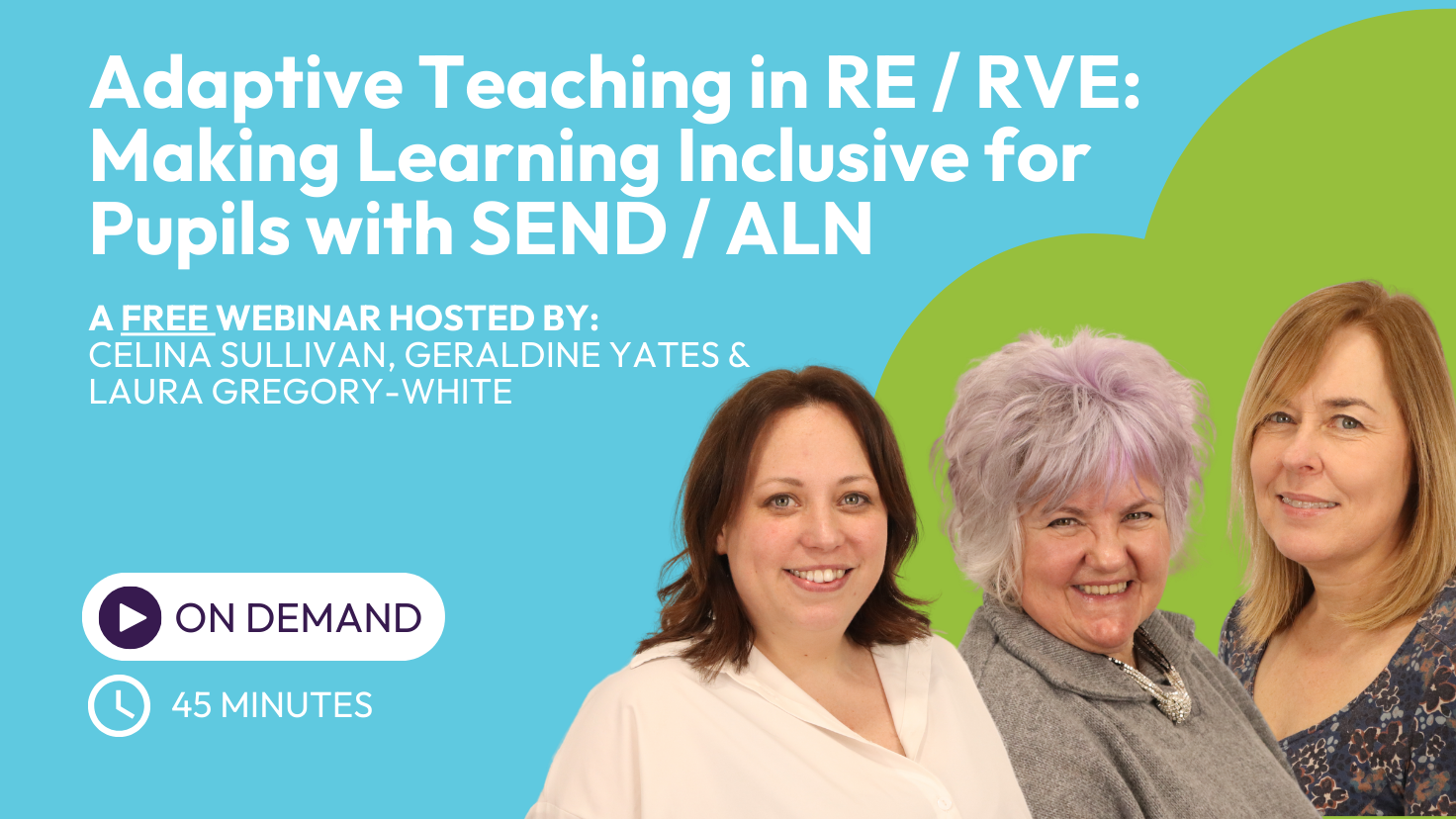
Adaptive Teaching in RE / RVE: Making Learning Inclusive for Pupils with SEND / ALN
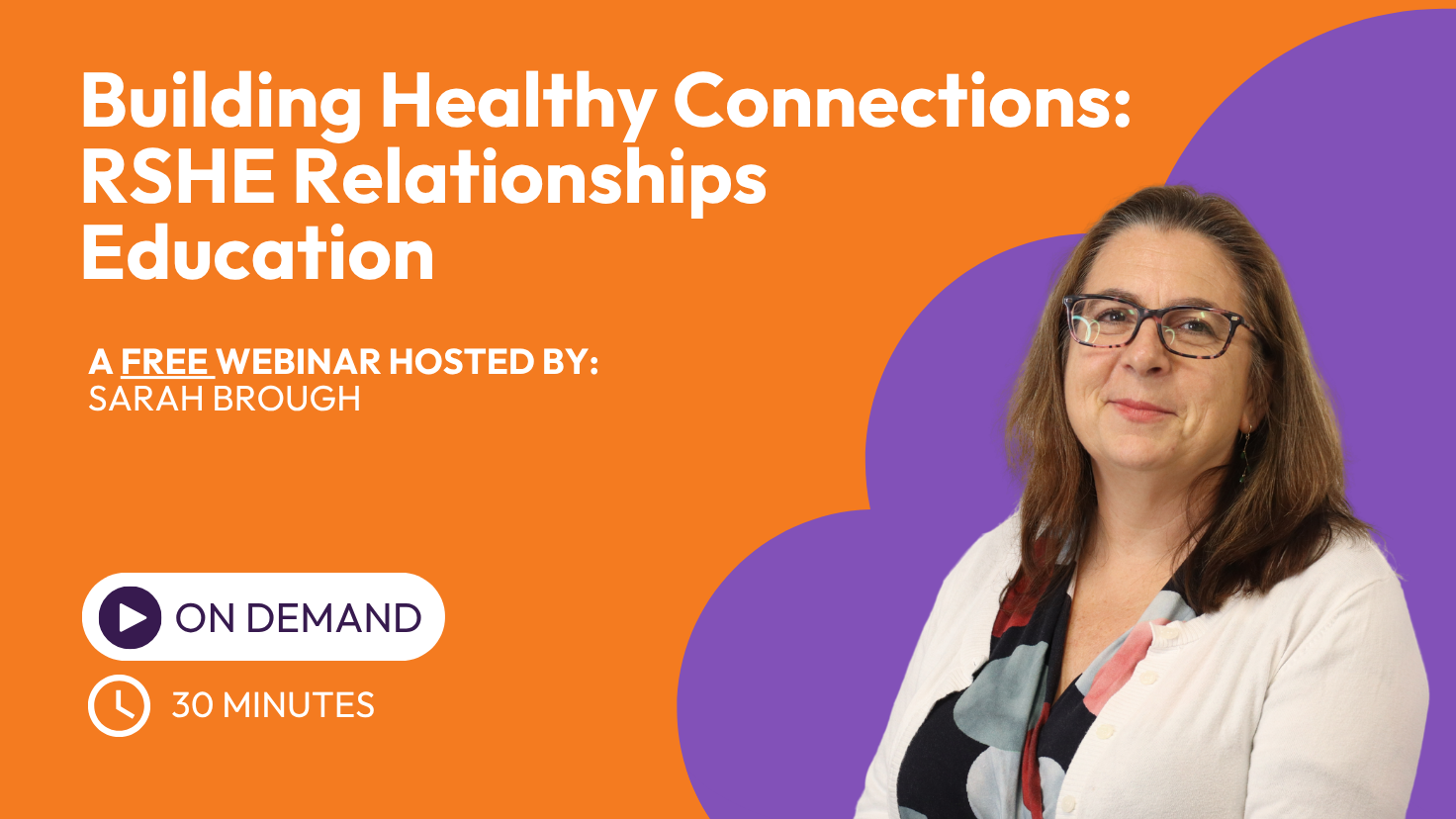

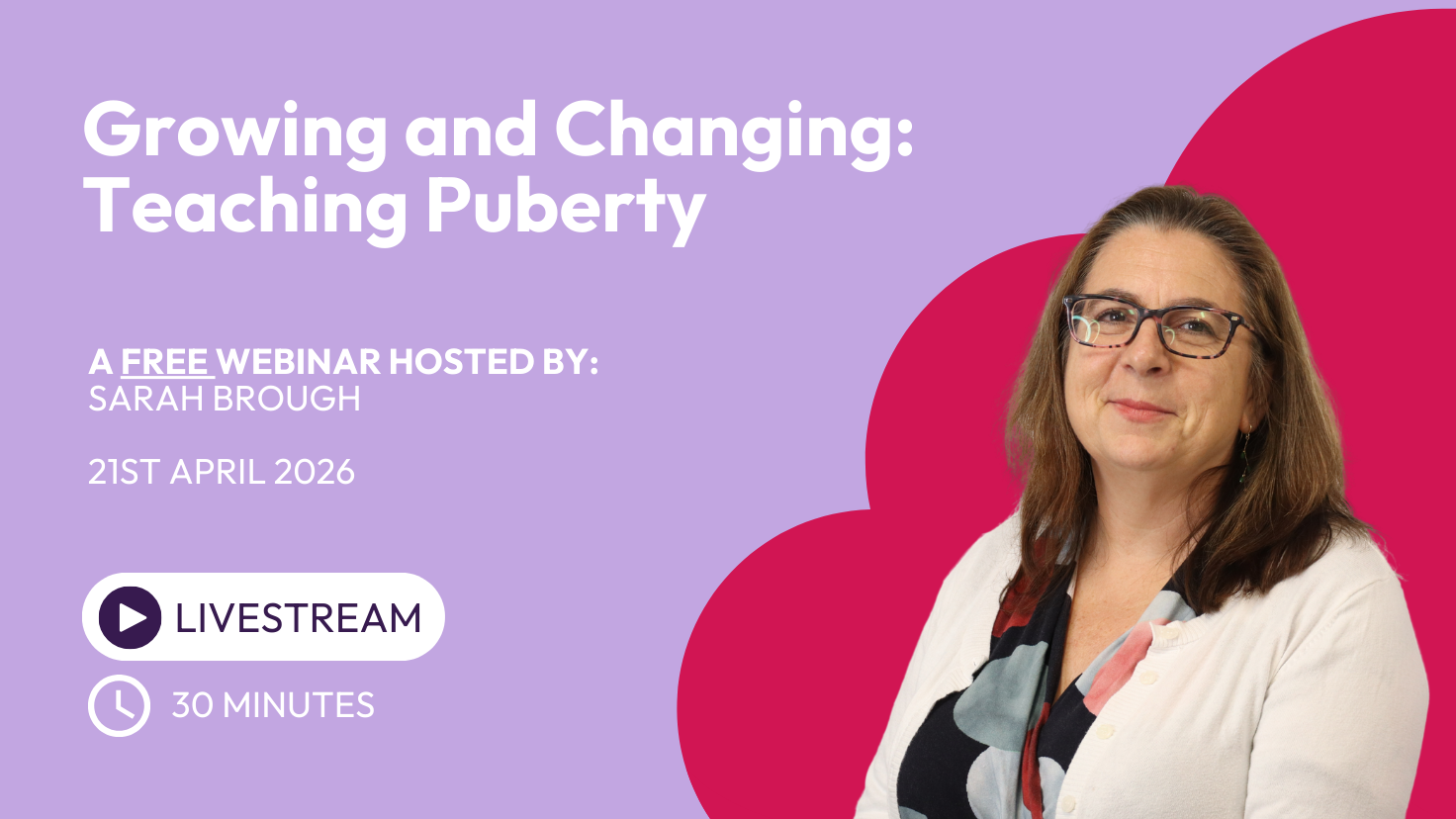
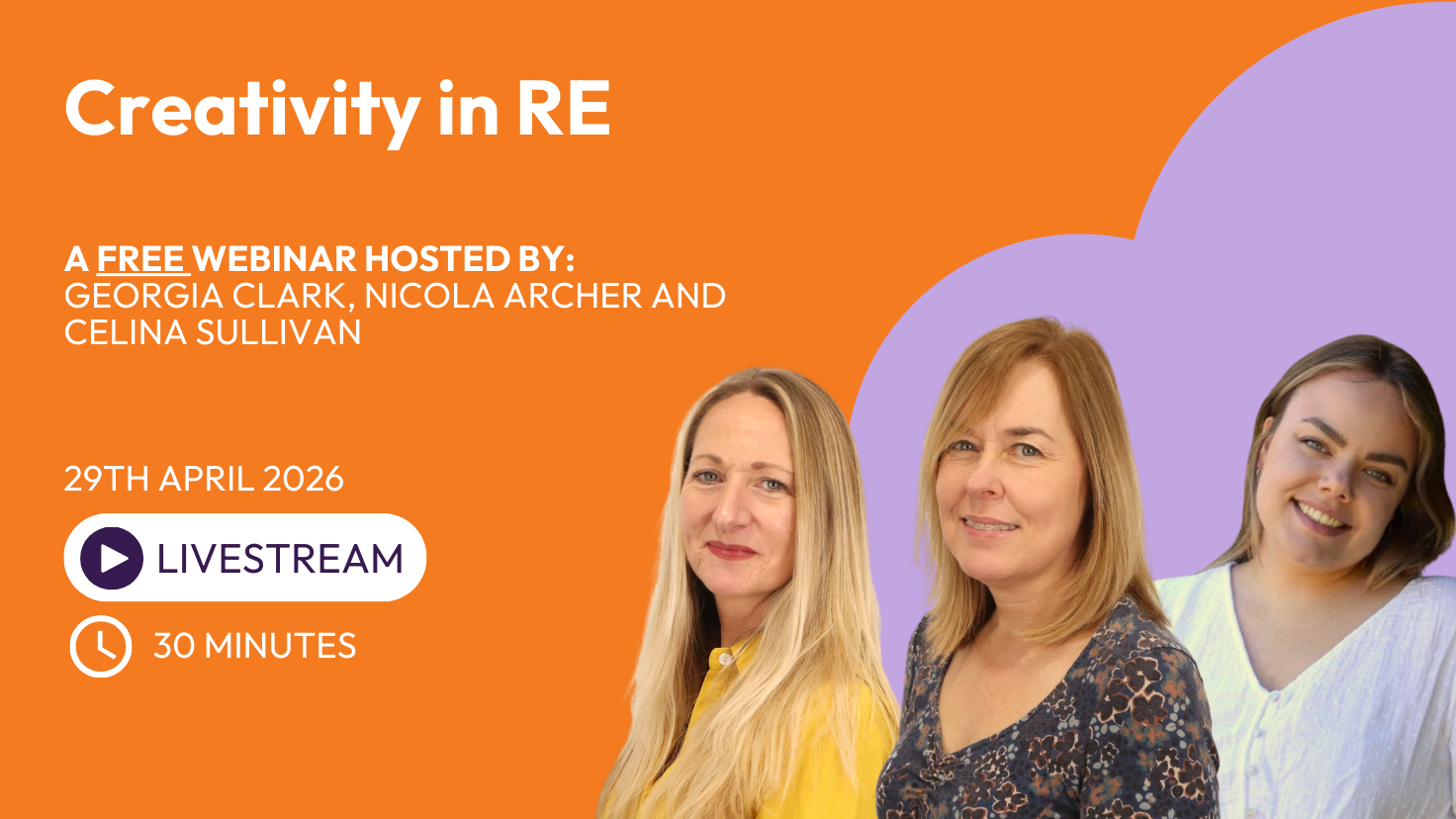
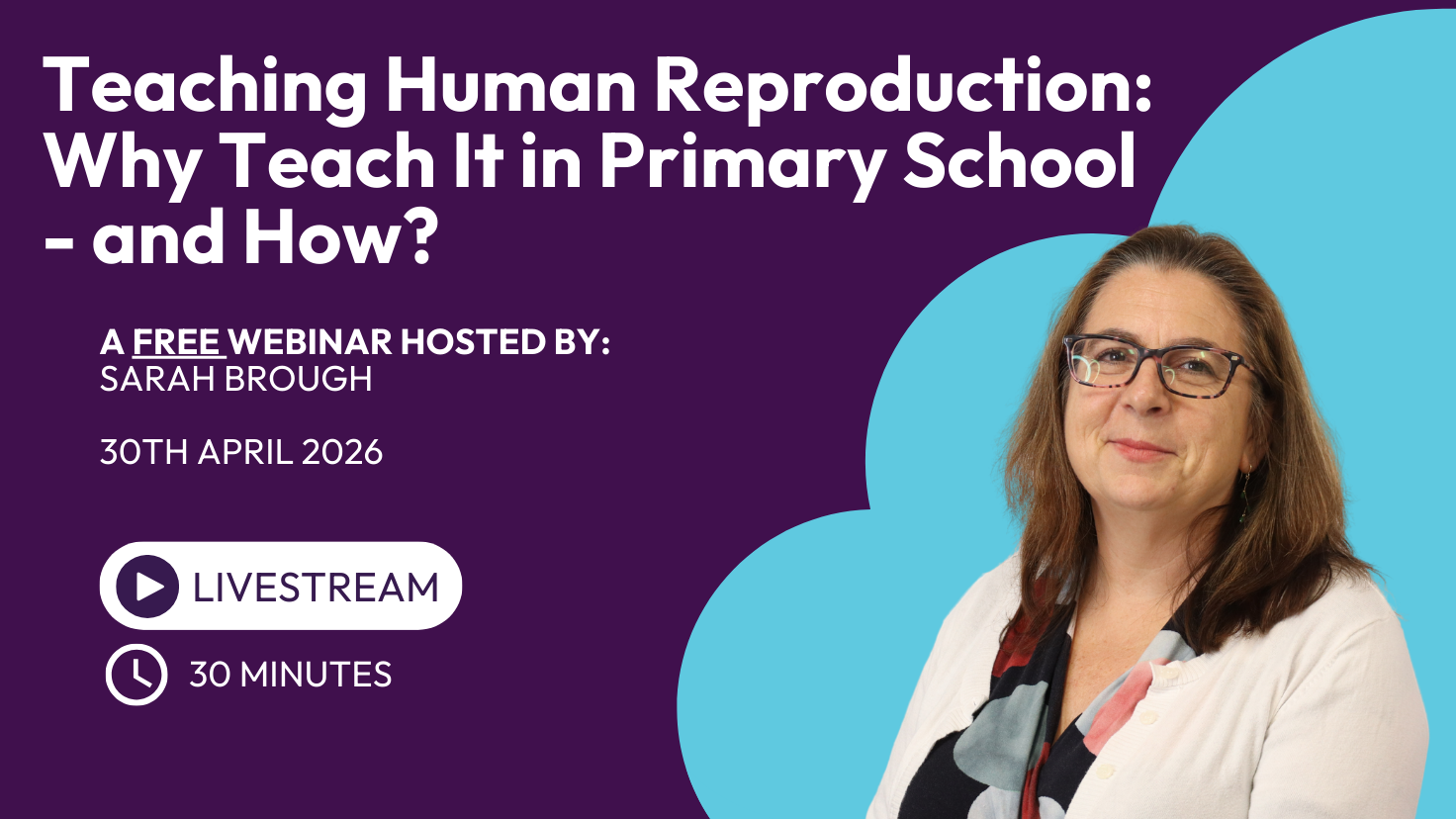
Upcoming Webinars
23 January 2026
Teaching Human Reproduction: Why Teach It in Primary School – and How?

Upcoming Webinars
24 March 2026
Confident, Informed, Prepared: A Secondary RSHE Webinar Series for PSHE Leads and Teachers
Upcoming Webinars
12 March 2026
Moving Personal Development and Wellbeing from Expected to Strong – What have recent OFSTED inspections told us?

On Demand Webinars
27 November 2025
Jigsaw PSHE 3-11: Updated for the 2025 RSHE Guidance – What do you need to know?
On Demand Webinars
27 November 2025
Jigsaw PSHE 11-16: Updated for the 2025 RSHE Guidance – What do you need to know?
On Demand Webinars
19 January 2026
PSHE and RSHE: Getting Your Policy Right and Bringing Parents & Governors onboard




On Demand Webinars
23 October 2025
Deep and meaningful RE: Exploring 4 steps you can take to improve RE in your school?



Articles & Updates
13 January 2026
How to build mutual respect between boys and girls in the classroom

Articles & Updates
06 October 2025
Navigating the new RSHE statutory guidance: ensuring meaningful implementation


Articles & Updates
16 September 2025
Beyond the Headlines – Why Our Children Need Safe Spaces for Complex Conversations




Articles & Updates
11 June 2025
Sustainability in Religious Education: Where Faith Meets Environmental Stewardship