Articles & Updates
06 March 2025
Play: Power Behind Child Development & Well-being

Why is play important?
Play is important for all children’s PSHE. It provides a sense of joy, belonging, and purpose. It offers children a way to decompress, process their emotions, and connect with others. Through play, children are able to have the opportunity to explore and experiment in an open-ended and unstructured way. Play is not separate from learning – it is learning. Through play, children acquire foundational PSHE skills that are essential for navigating the complexities of life. Imaginative play helps children to explore feelings in a safe environment, supporting their emotional regulation. The development of a sense of self through play can influence children’s ability to cope with stress. It gives children opportunities to develop their social skills, which builds skills of empathy, teamwork and conflict resolution. Language and communication skills can also be developed through play, as children have the space to practise communication and expand their vocabulary. Active play promotes physical health, reduces stress, and improves mood.
Language and communication skills can also be developed through play, as children have the space to practise communication and expand their vocabulary.
Play Schemas: The Building Blocks of Development
Schematic play happens when babies, toddlers and young children are involved in repeated actions or certain behaviours as they explore the world around them and try to find out how things work, such as the act of tipping and pouring or moving and sorting. There are many different types of play schemas, all referring to repeated patterns of behaviour through which children explore and learn about the world. This is a key cognitive process through which they construct knowledge and actively make meaning of the world around them.
While these are often discussed in the context of toddlers, schemas remain relevant for older children, as they lay the groundwork for understanding more abstract concepts and skills. For older children, these evolve into more sophisticated play, such as building detailed and thought through structures or thinking of strategies in team sports. These activities support the development of PSHE skills, such as teamwork, resilience and critical thinking.
Children who do not have opportunities to explore and play may not develop play schemas during their early childhood, and this has been shown to have an impact on development, specifically on a child’s cognitive, emotional and social skills. Children may then find it difficult to form relationships, work in teams and communicate effectively, which can have a lasting impact on their lives.
Play is the universal language of childhood. It is a cornerstone of mental health, well- being and PSHE development for all children. Through play, children learn to navigate their world with confidence, creativity, and resilience – qualities that will serve them well into adulthood. By fostering opportunities for play in schools, homes and communities, we are investing in a healthier, happier future for all.
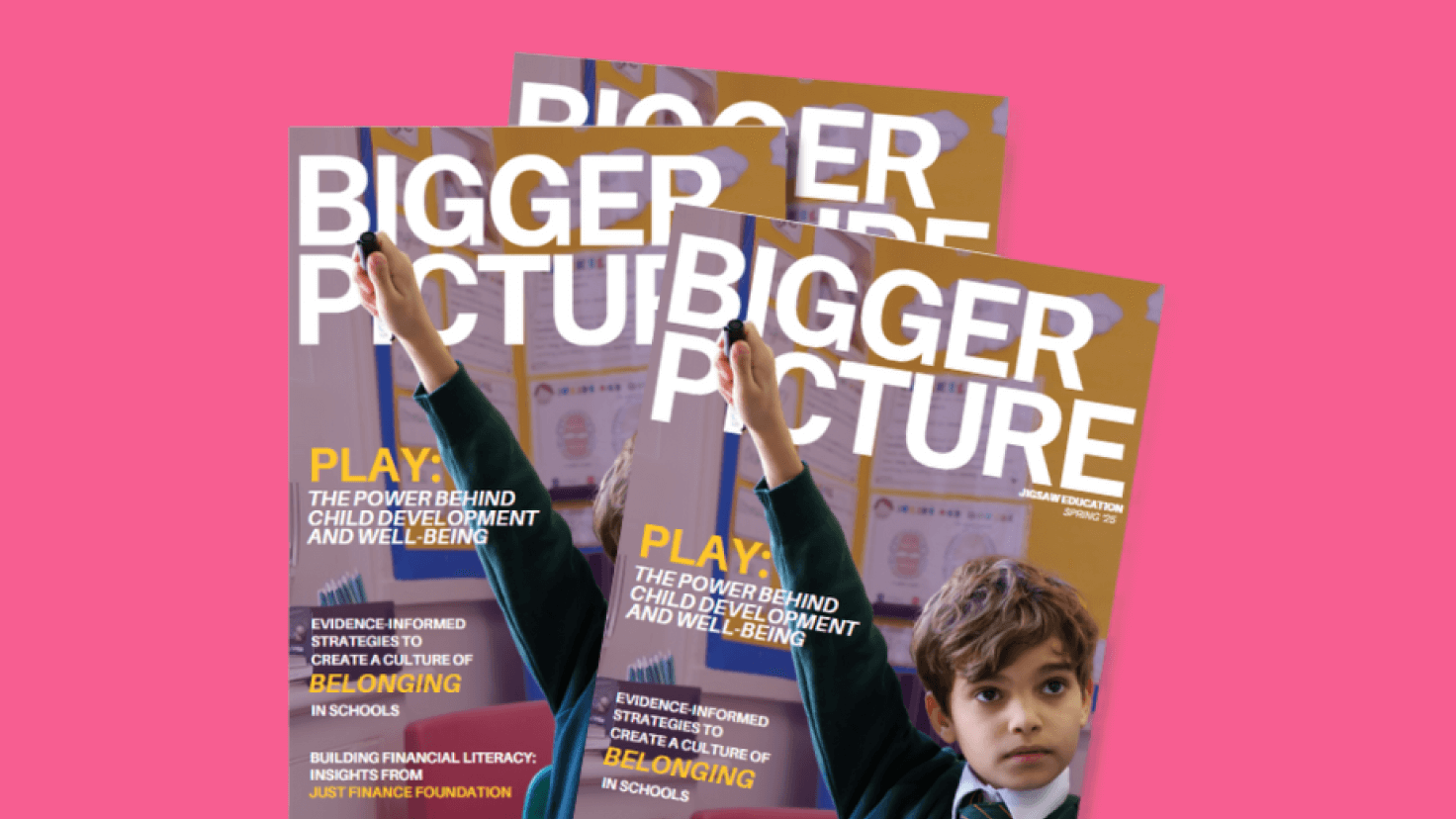
As featured in Bigger Picture.
Amy Jones is a qualified primary school teacher with over 10 years of experience, including 6.5 years specialising in EYFS as a Reception teacher. She holds a First-Class BA (Hons) degree in Education from Bath Spa University, as well as a Foundation Degree in Early Childhood Studies. Amy is passionate about learning through play and connecting children with nature. She is a strong advocate for outdoor learning and the consistent teaching of PSHE to support children’s emotional well-being and mental health. Amy is Programme Lead for Jigsaw Outdoors and Games as well as an EYFS PSHE Specialist at Jigsaw Education Group. Outside of work, Amy enjoys gardening, wildlife and reading.
Our free resources
On Demand Webinars
19 January 2026
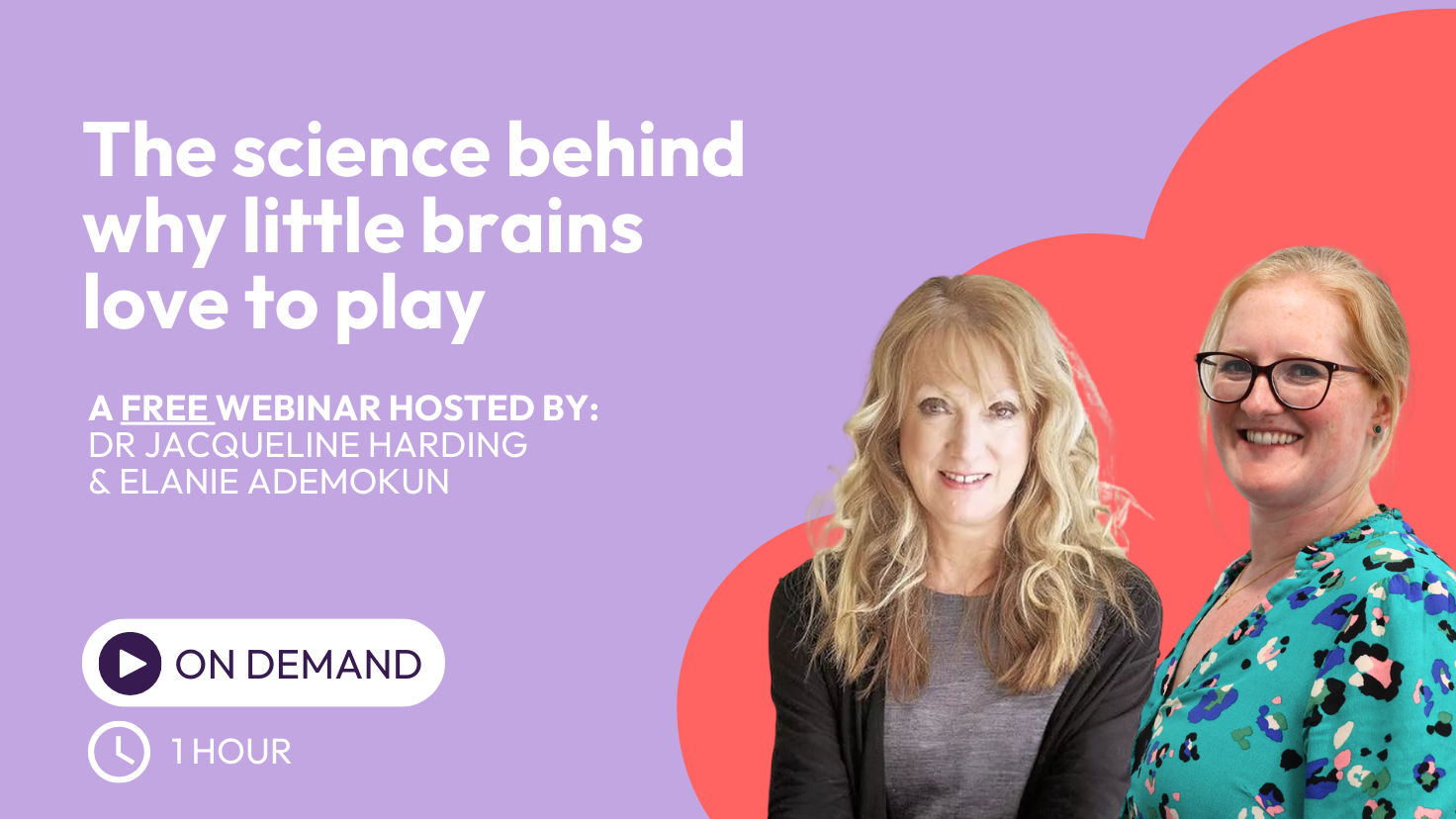
The science behind why little brains love to play with Dr Jacqueline Harding
On Demand Webinars
21 January 2026
PSHE in the new OFSTED framework – what have recent inspections told us?
On Demand Webinars
21 January 2026
Adaptive Teaching in RE / RVE: Making Learning Inclusive for Pupils with SEND / ALN

Upcoming Webinars
23 January 2026
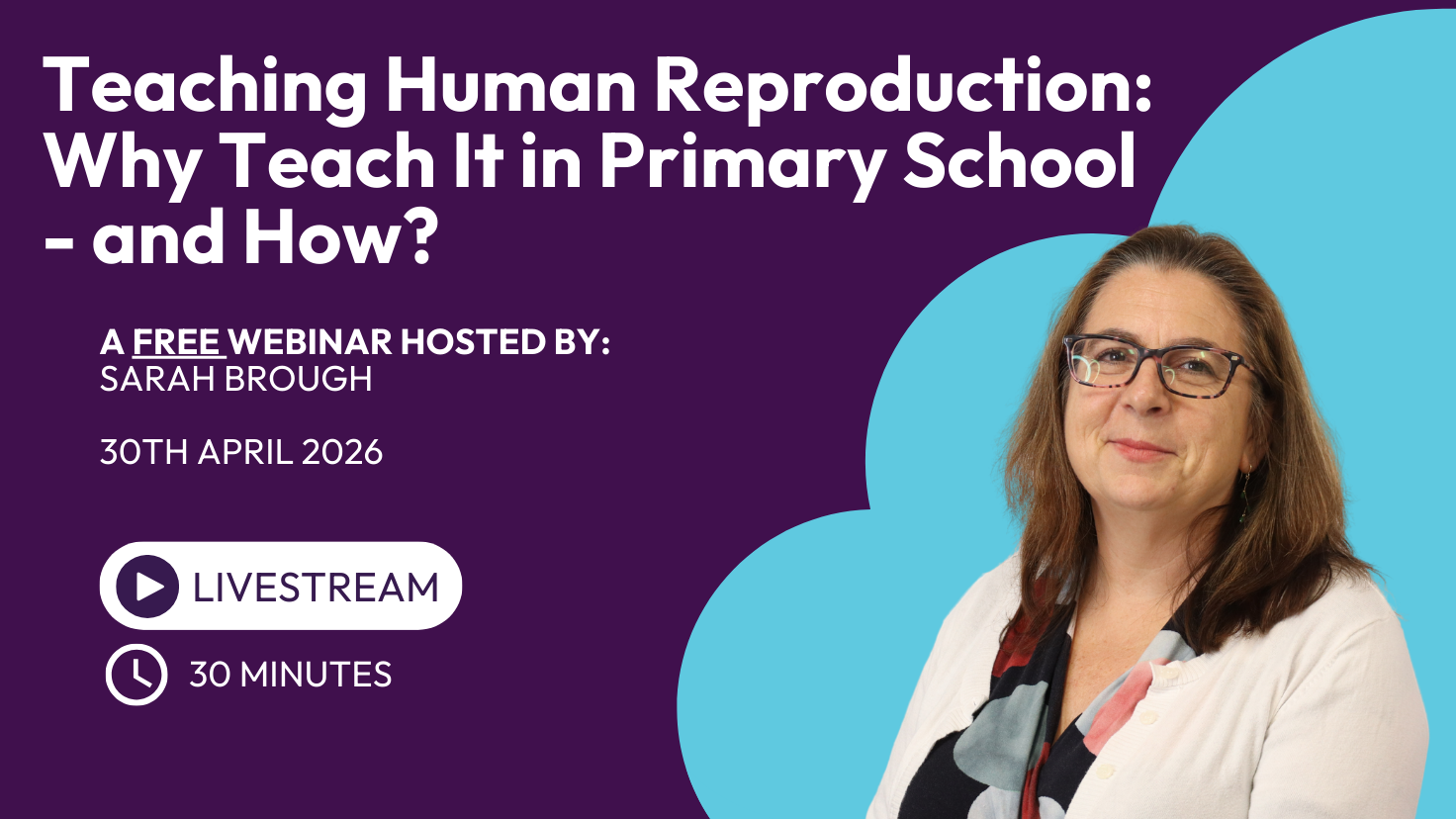
Teaching Human Reproduction: Why Teach It in Primary School – and How?
Upcoming Webinars
24 March 2026
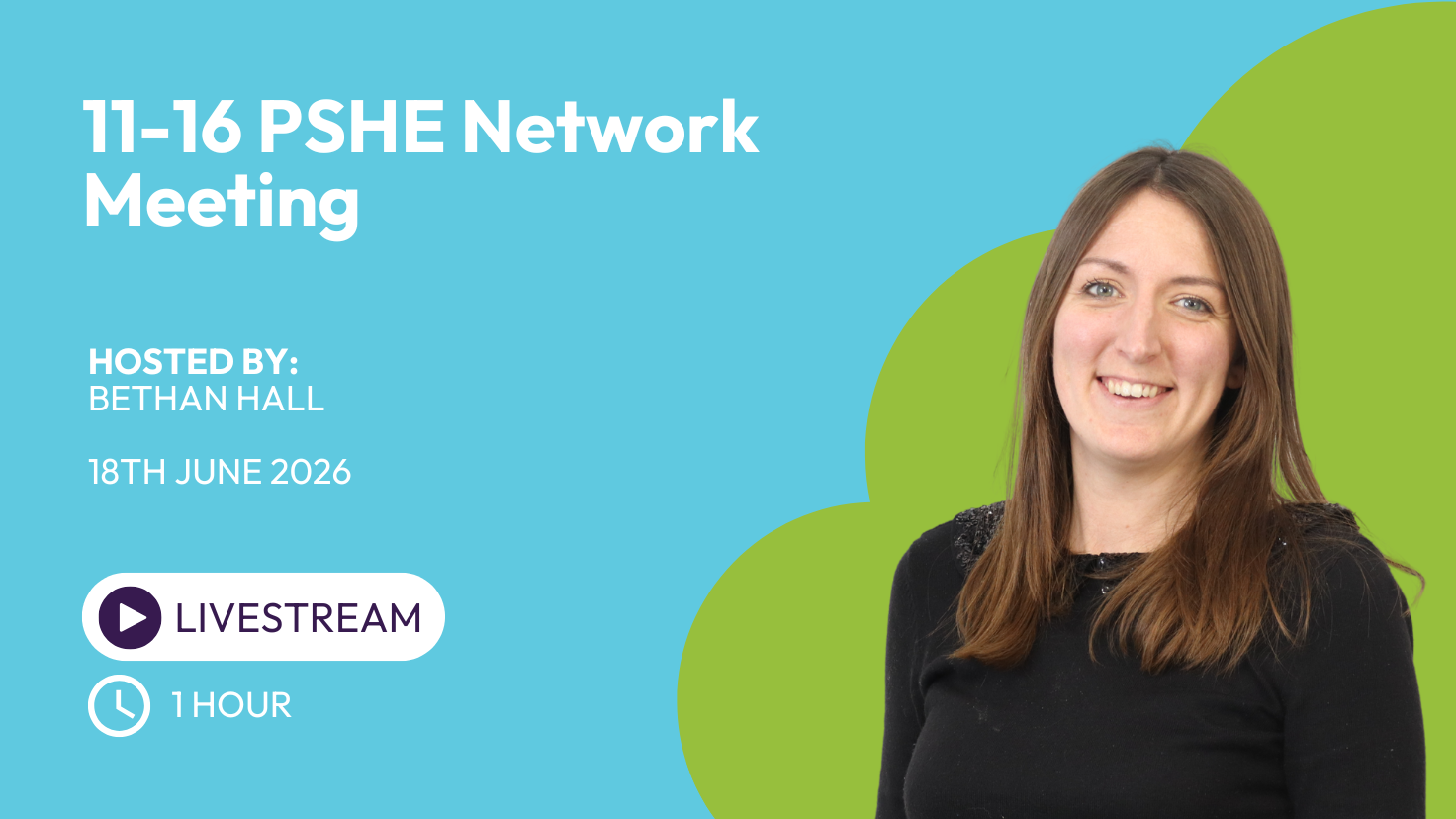
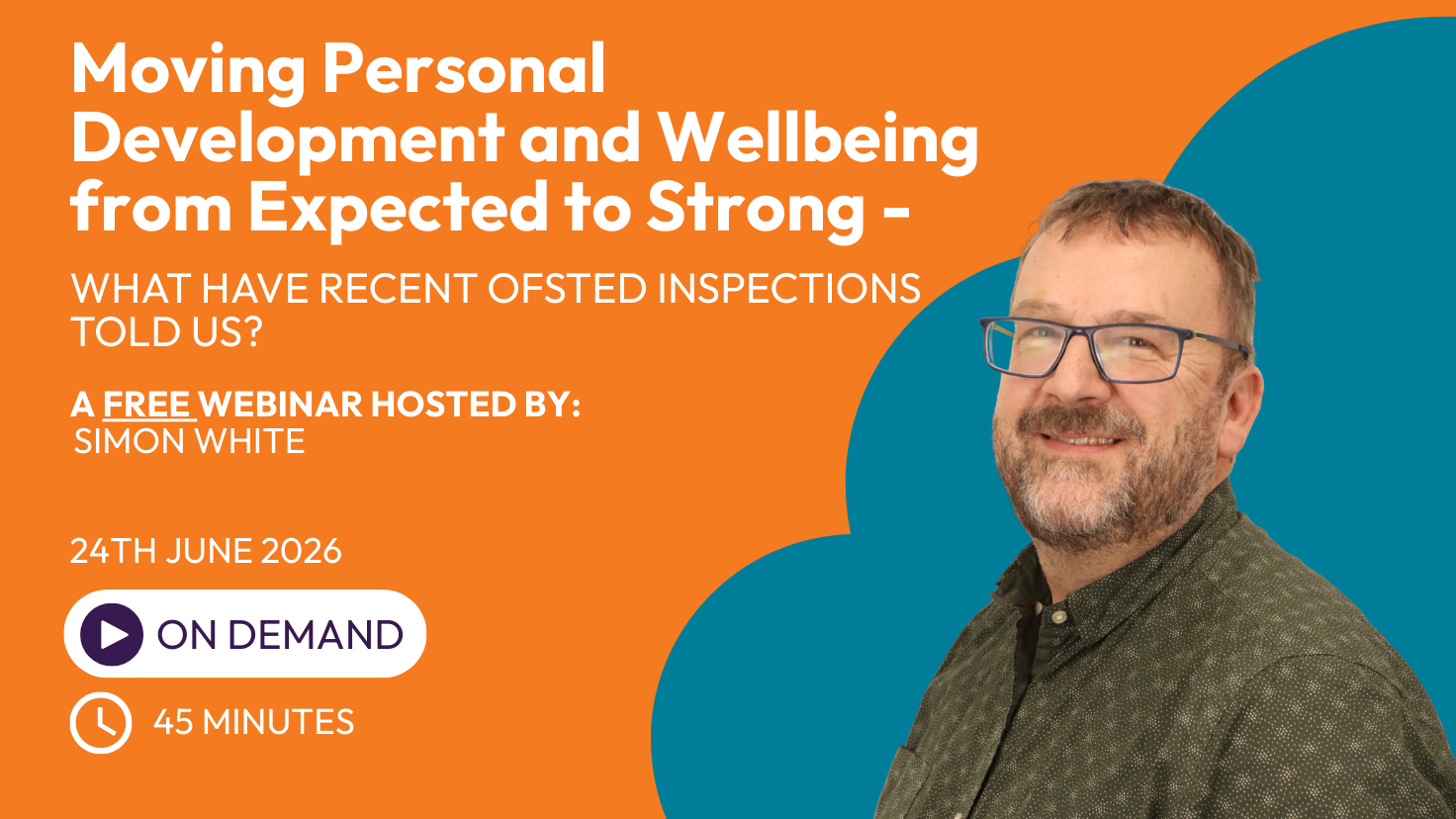
Confident, Informed, Prepared: A Secondary RSHE Webinar Series for PSHE Leads and Teachers
Upcoming Webinars
12 March 2026
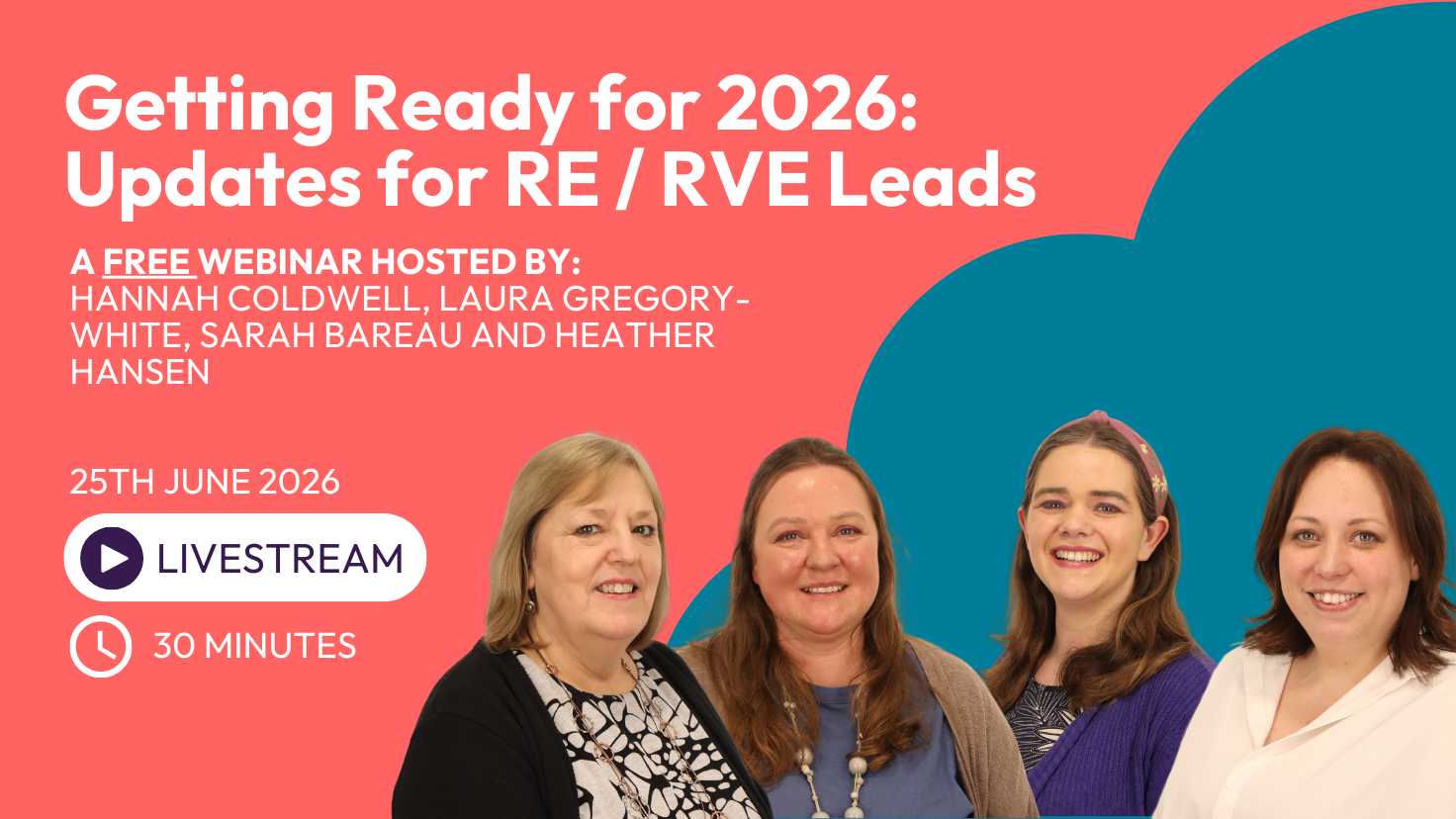
Moving Personal Development and Wellbeing from Expected to Strong – What have recent OFSTED inspections told us?
On Demand Webinars
27 November 2025
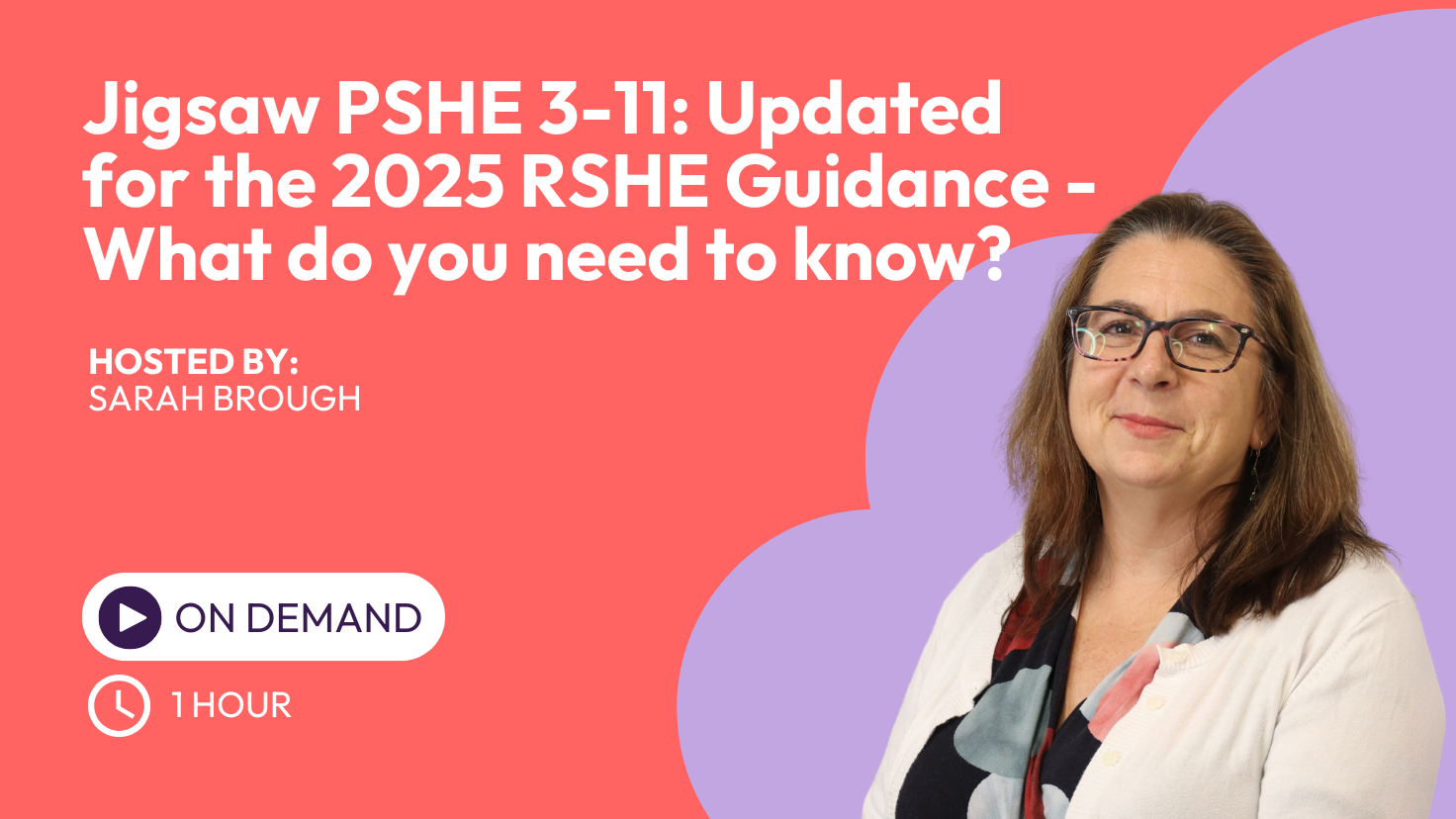
Jigsaw PSHE 3-11: Updated for the 2025 RSHE Guidance – What do you need to know?
On Demand Webinars
27 November 2025
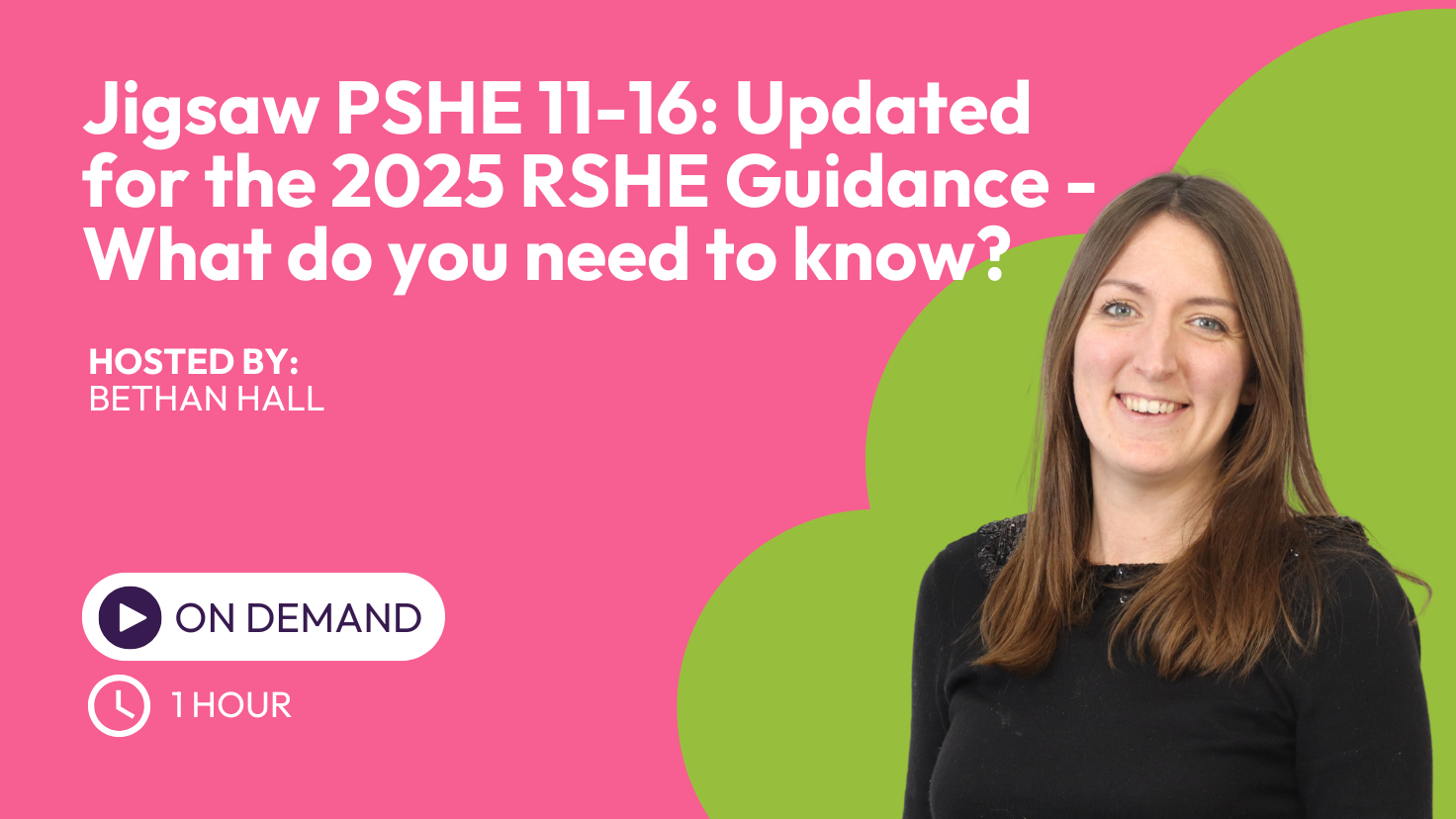
Jigsaw PSHE 11-16: Updated for the 2025 RSHE Guidance – What do you need to know?

On Demand Webinars
19 January 2026
PSHE and RSHE: Getting Your Policy Right and Bringing Parents & Governors onboard



On Demand Webinars
23 October 2025
Deep and meaningful RE: Exploring 4 steps you can take to improve RE in your school?



Articles & Updates
13 January 2026
How to build mutual respect between boys and girls in the classroom


Articles & Updates
06 October 2025
Navigating the new RSHE statutory guidance: ensuring meaningful implementation


Articles & Updates
16 September 2025
Beyond the Headlines – Why Our Children Need Safe Spaces for Complex Conversations



Articles & Updates
11 June 2025
Sustainability in Religious Education: Where Faith Meets Environmental Stewardship