Articles & Updates
07 July 2024
The Vital Role of SMSC Subjects


When facilitating discussions with RE subject leads on this topic, we speak about the implicit and explicit features of the curriculum. The implicit being those decisions we make as curriculum designers about what we include and represent. It means asking ourselves critical questions: What perspectives are included in our syllabi? Whose voices are being centred? Are we offering a diverse range of representation? These considerations extend beyond the mere content of our subjects; they seep into the language we use, the images we present, and the values we share. These decisions may not be explicitly obvious to the children in our lessons, but it frames a journey for them that better represents the world they are growing up in. Without this careful consideration, we can unintentionally establish an unconscious bias or reinforce stereotypes.
Alongside these implicit considerations is the explicit curriculum, where we dedicate time in lessons to directly address issues of diversity, equity, inclusion, justice, and belonging (DEIJB). It’s about more than just ticking boxes; it’s about fostering meaningful dialogue, challenging biases, and nurturing a culture of respect and understanding. SMSC subjects provide the structured opportunities for students to explore complex societal issues, interrogate their own beliefs and biases, and develop the critical thinking skills necessary to navigate an increasingly interconnected world. In order for staff to feel confident in leading these discussions, we need to support the ongoing development of their knowledge and understanding of these issues as well as the ways in which safe learning environments can be established, and discussion and debate can be managed. This will support them in feeling confident to plan in these explicit curriculum opportunities for our children.
This is not a small job or short conversation with a defined end point. This is ongoing work and it should be contextual. It is important that schools support their staff to engage with this through investment in high-quality resources, providing the time and opportunity for evaluation and review and dedicating time to ongoing learning and development for staff.
In a world dominated by technology, AI, and algorithms, where human connection can sometimes feel like an afterthought. Education needs to do more than impart knowledge; it must nurture empathy, compassion, and a sense of collective responsibility. To achieve this, we must elevate and enhance subjects like RE and PSHE. They are not just optional extras but essential components of a well-rounded education that prepares students to navigate the complexities of the modern.
Our free resources
On Demand Webinars
19 January 2026
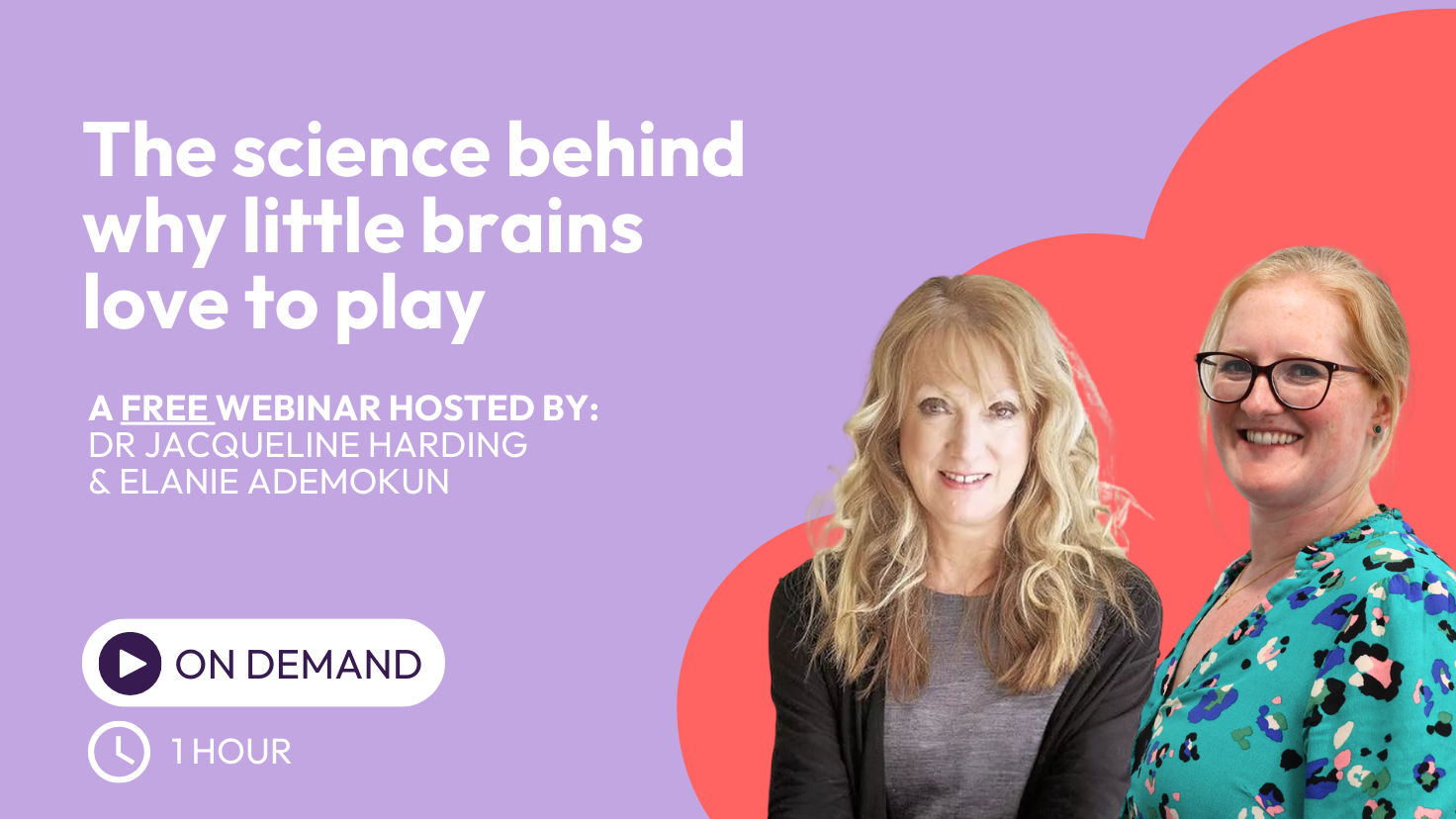
The science behind why little brains love to play with Dr Jacqueline Harding
On Demand Webinars
21 January 2026
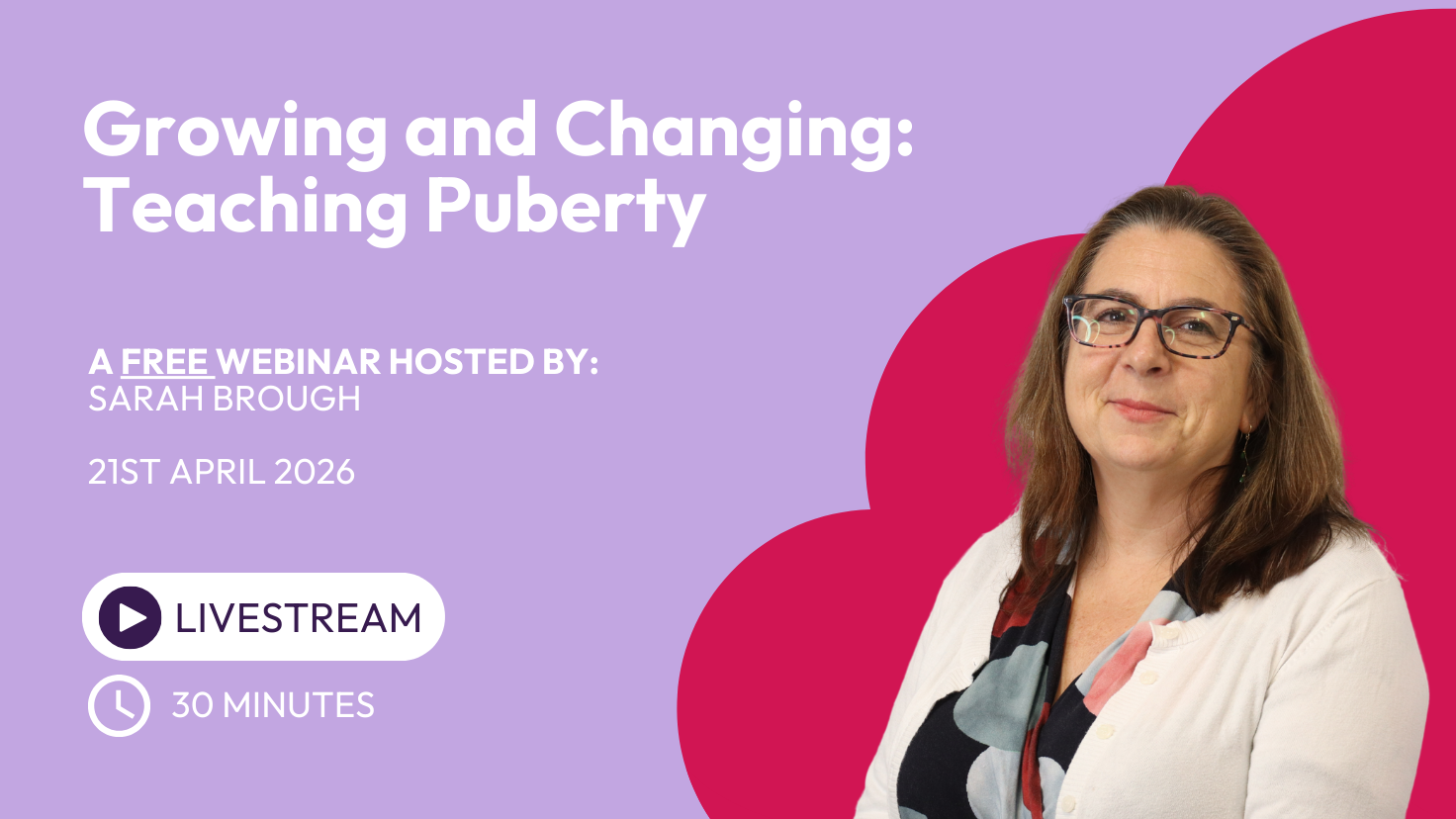
PSHE in the new OFSTED framework – what have recent inspections told us?
On Demand Webinars
21 January 2026
Adaptive Teaching in RE / RVE: Making Learning Inclusive for Pupils with SEND / ALN

Upcoming Webinars
23 January 2026
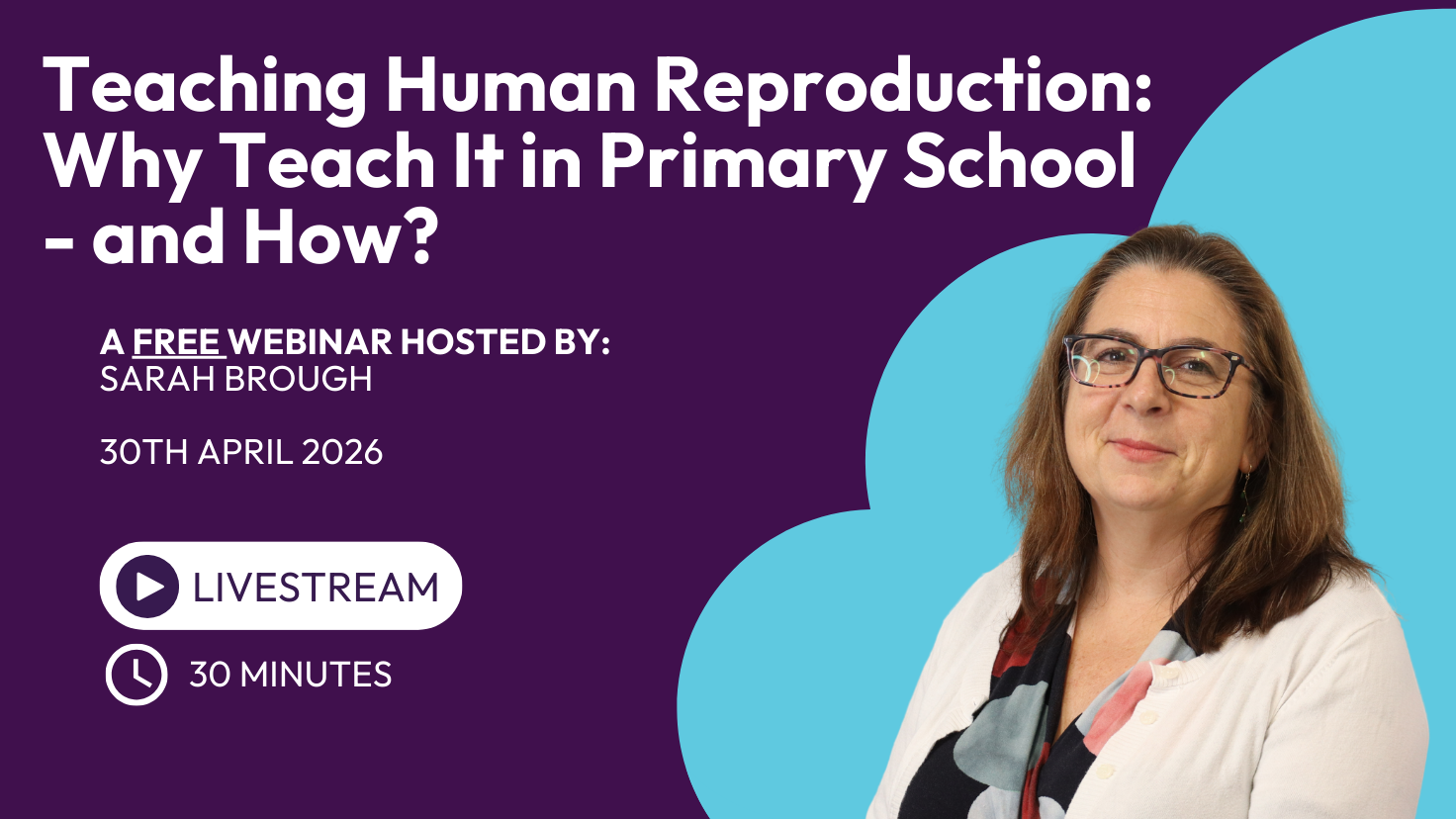
Teaching Human Reproduction: Why Teach It in Primary School – and How?
Upcoming Webinars
24 March 2026
Confident, Informed, Prepared: A Secondary RSHE Webinar Series for PSHE Leads and Teachers
Upcoming Webinars
12 March 2026
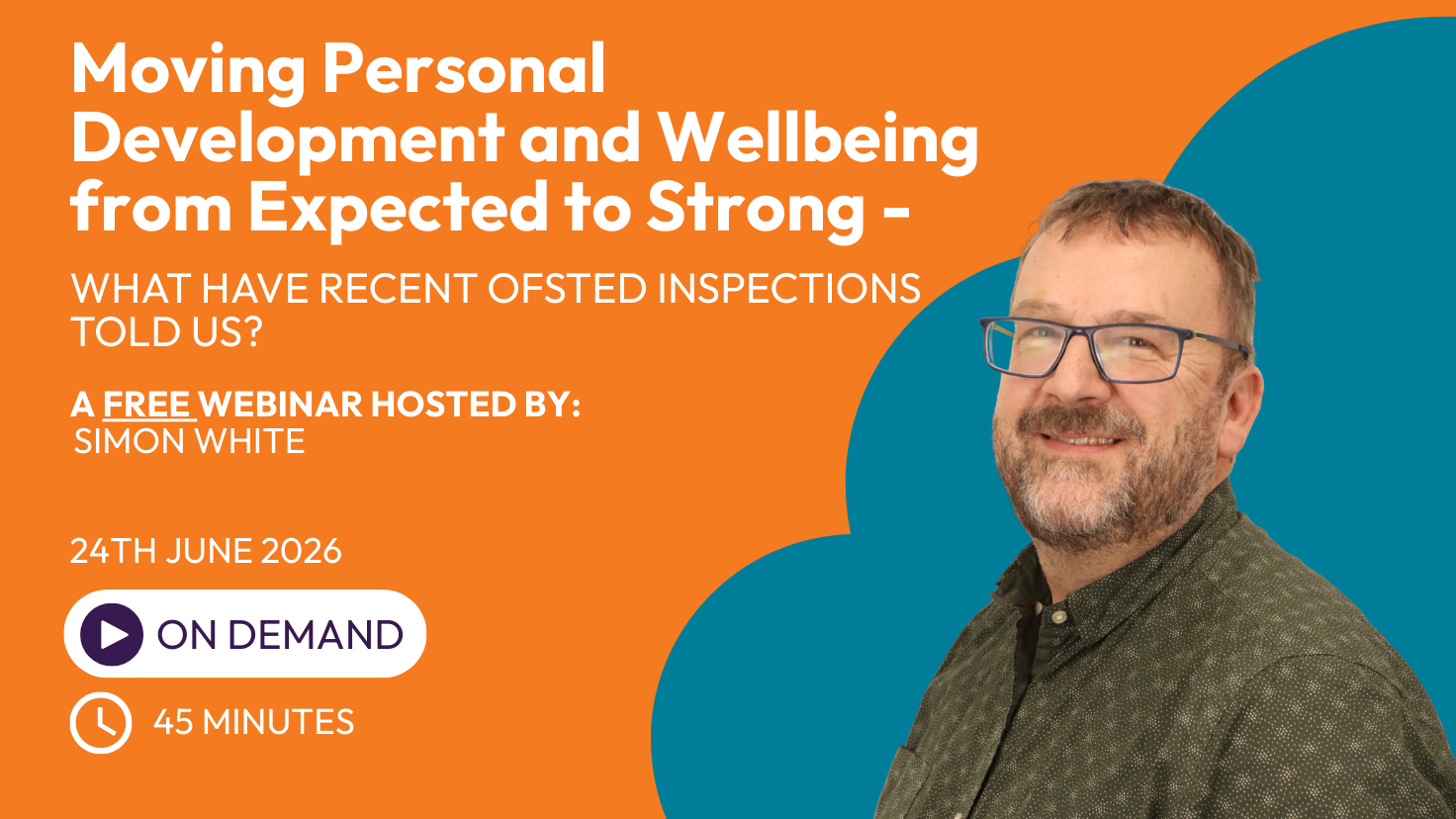
Moving Personal Development and Wellbeing from Expected to Strong – What have recent OFSTED inspections told us?

On Demand Webinars
27 November 2025
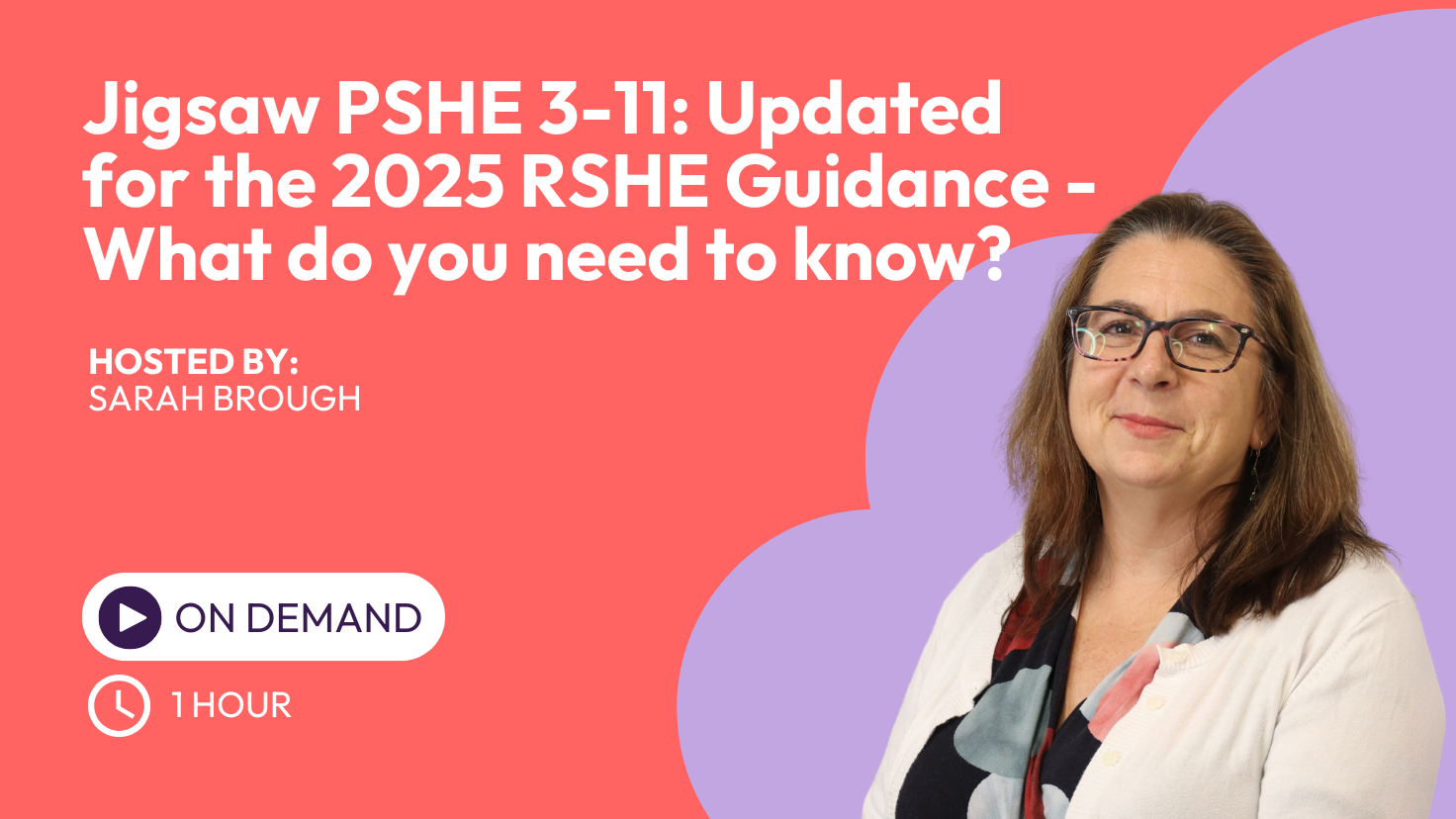
Jigsaw PSHE 3-11: Updated for the 2025 RSHE Guidance – What do you need to know?
On Demand Webinars
27 November 2025
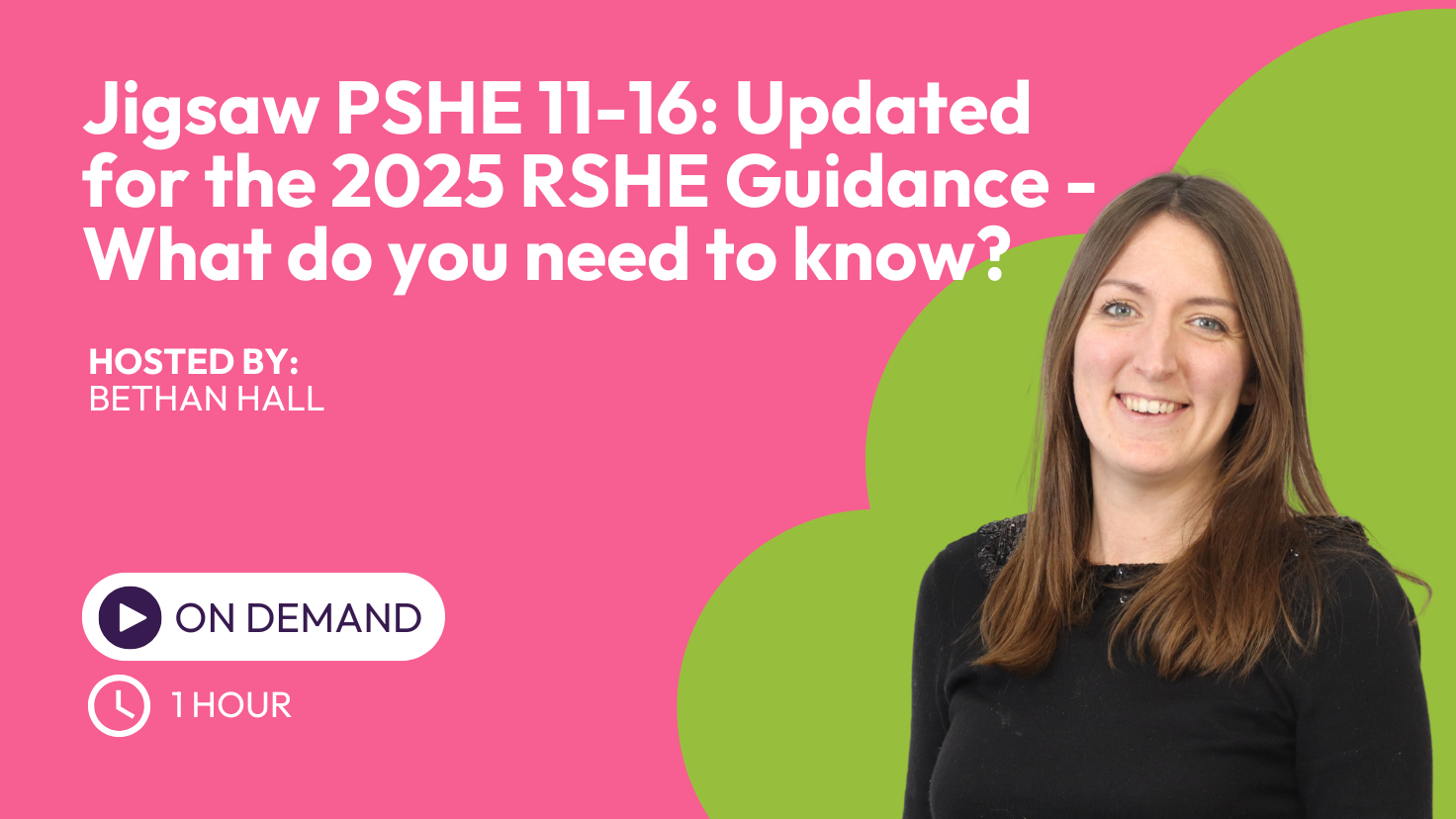
Jigsaw PSHE 11-16: Updated for the 2025 RSHE Guidance – What do you need to know?

On Demand Webinars
19 January 2026
PSHE and RSHE: Getting Your Policy Right and Bringing Parents & Governors onboard
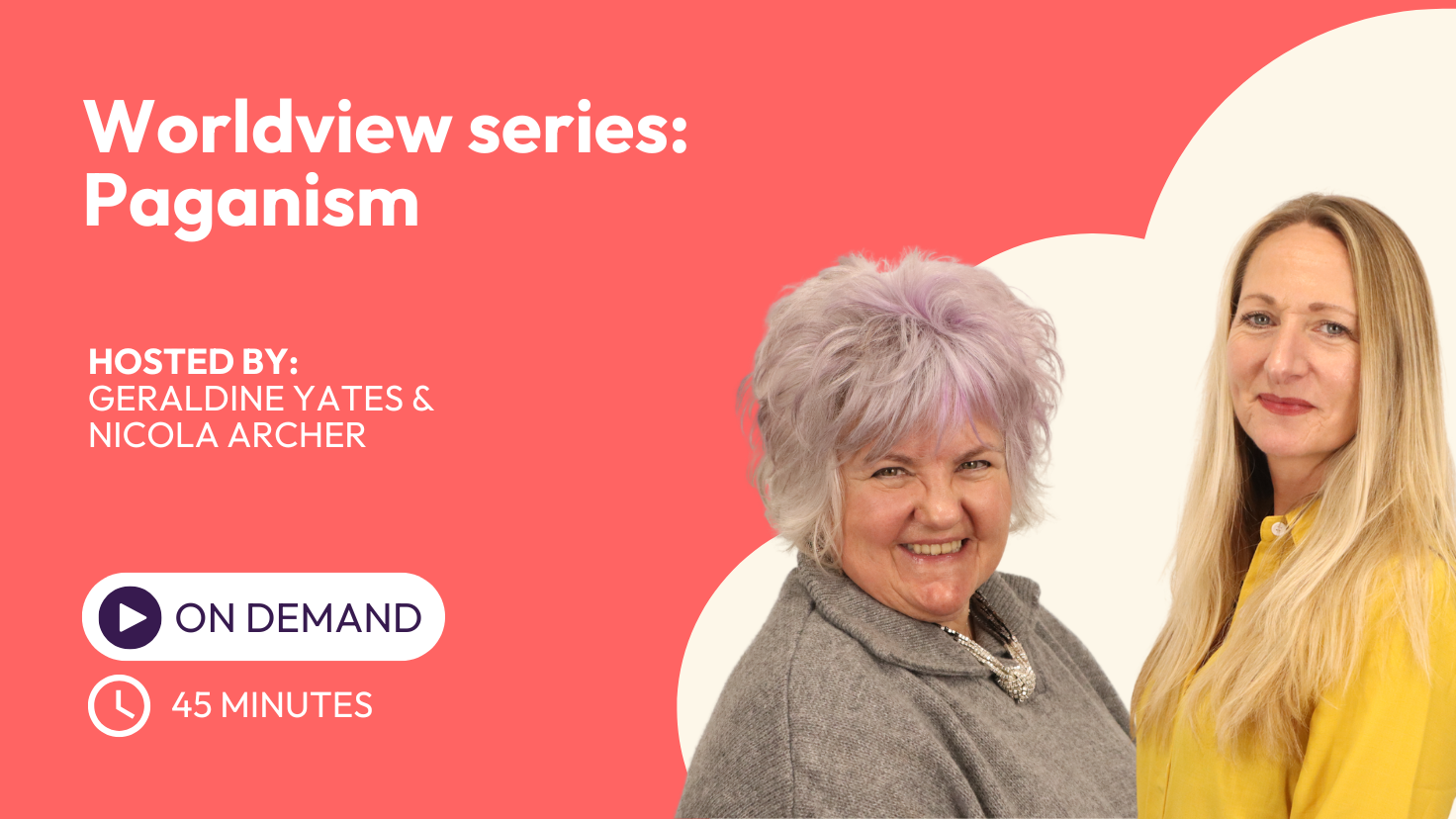
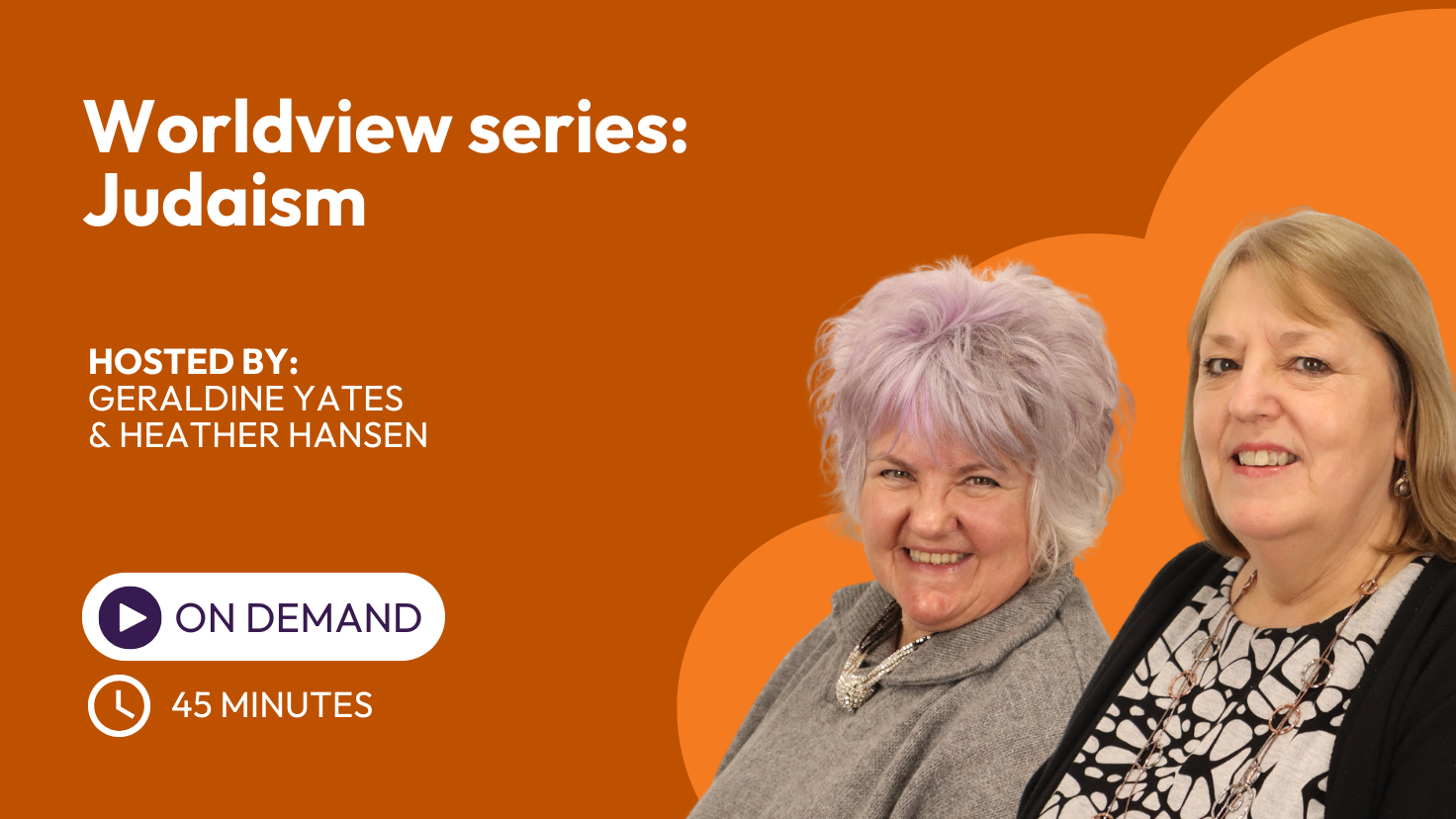
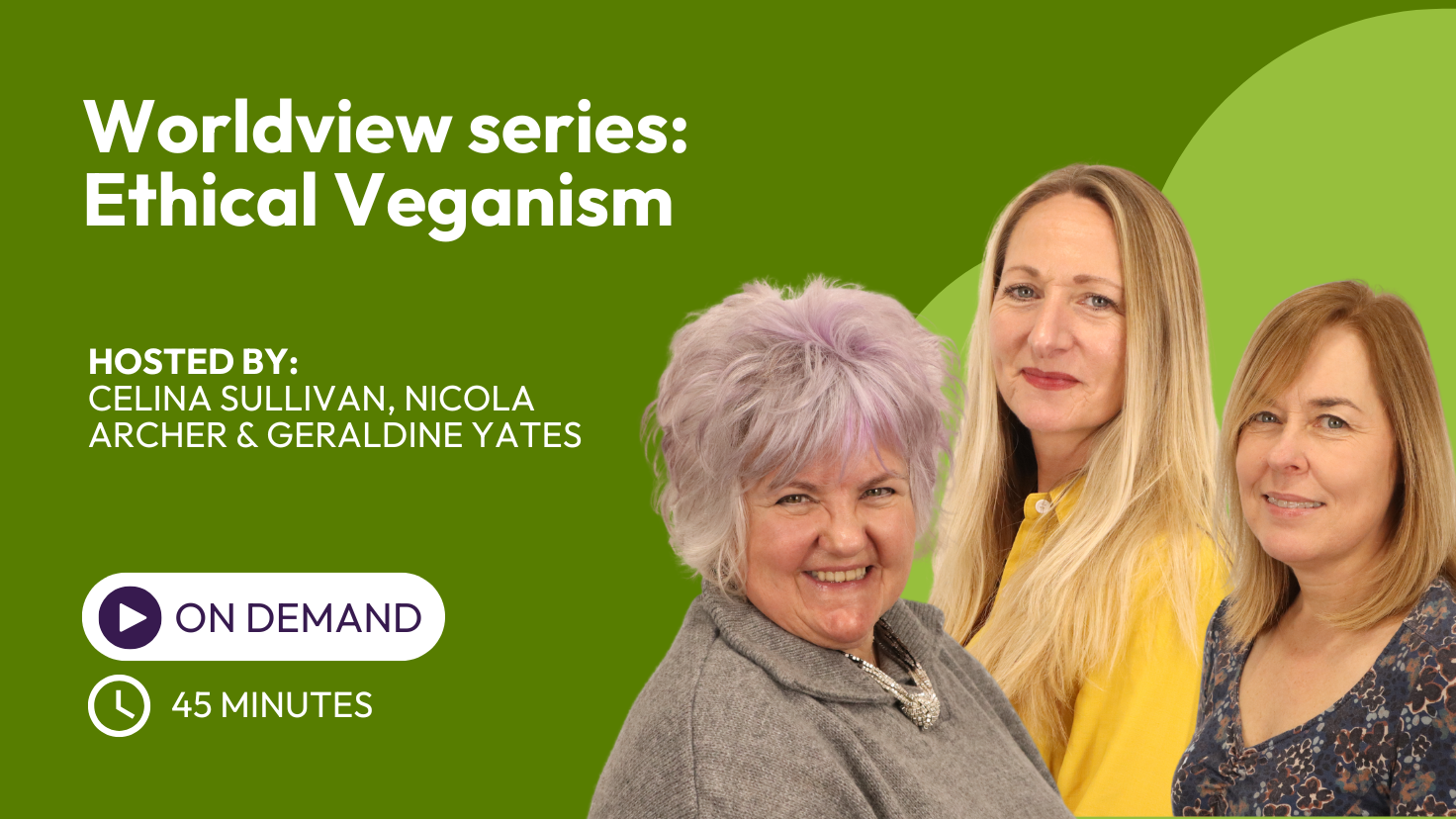
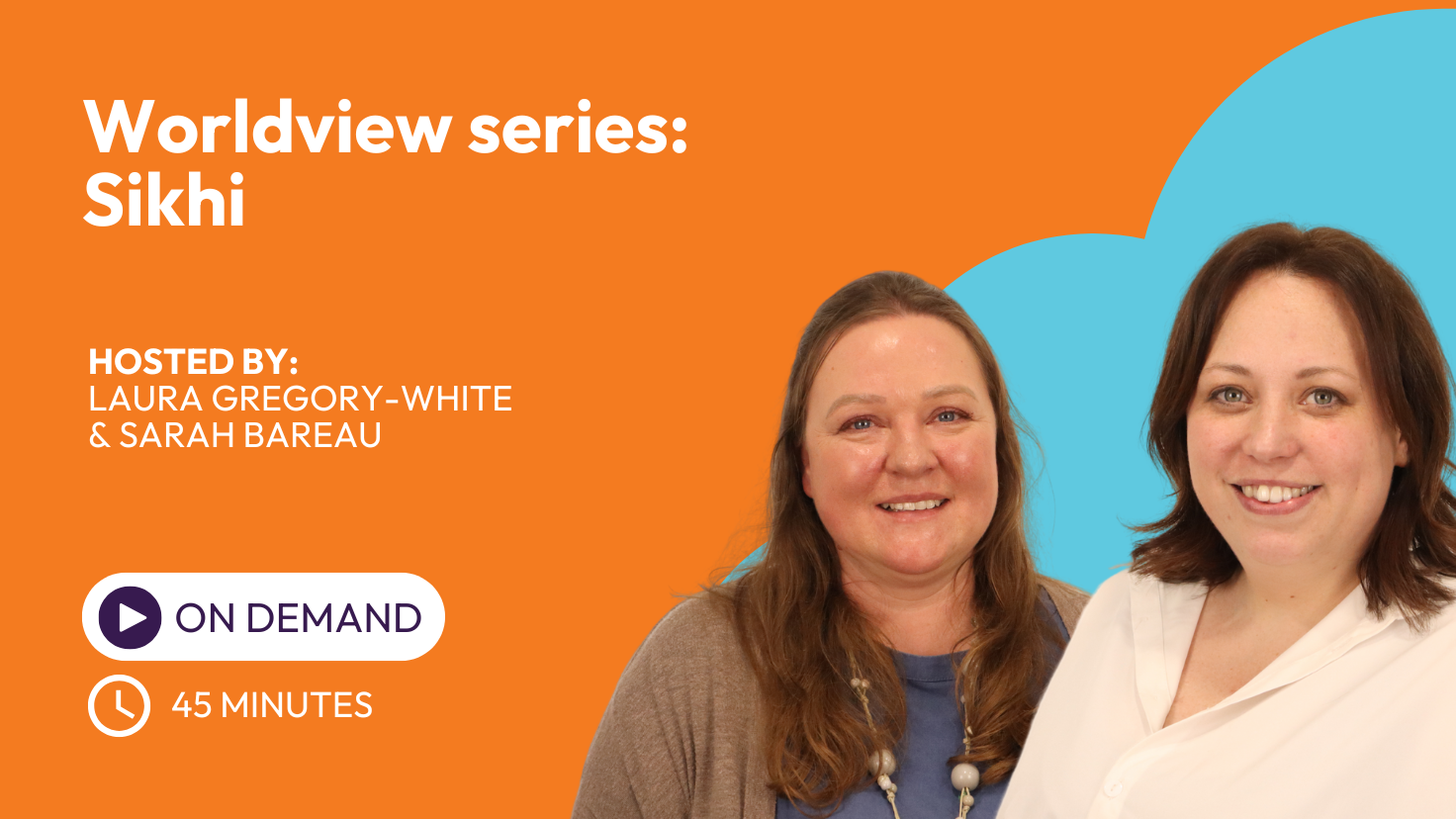

On Demand Webinars
23 October 2025
Deep and meaningful RE: Exploring 4 steps you can take to improve RE in your school?



Articles & Updates
13 January 2026
How to build mutual respect between boys and girls in the classroom



Articles & Updates
06 October 2025
Navigating the new RSHE statutory guidance: ensuring meaningful implementation


Articles & Updates
16 September 2025
Beyond the Headlines – Why Our Children Need Safe Spaces for Complex Conversations



Articles & Updates
11 June 2025
Sustainability in Religious Education: Where Faith Meets Environmental Stewardship