Articles & Updates
17 June 2026
What can teachers do when questions about sex and relationships get too personal?


What can teachers do when questions about sex and relationships get too personal?
Even the most experienced teachers can be caught off guard if a student suddenly asks about their sexual preferences, experience or personal beliefs in an RSHE classroom discussion.
Conversations about sex and relationships can naturally touch on some deeply personal topics and students sometimes want to know more about a teacher’s own views and experiences. This can be challenging to handle, but there are some effective ways to keep the lesson flowing when questions start to get too personal.
There are some useful techniques many teachers have found to keep RSHE discussions focused on learning.
Maintain professional boundaries
The class might be having a lively conversation about abortion and reproductive rights, and a student suddenly asks you about your own personal views on the topic.
Setting clear boundaries can help you avoid being taken down a path you don’t want to go. If your students know that you will not answer personal questions or share your own opinions on sensitive issues, they will stop asking you.
You could also turn the discussion around and talk instead about how people’s opinions can be influenced by religion, culture, family background and their own life experiences. This keeps the topic open but with a focus on the learning.
Charlotte Anderson, Head of Citizenship, Religious Studies, Sociology and PSHRE at Co-op Academy, North Manchester, has handled a situation like this before. “I would say: ‘We are not talking about what I think. But if you want to find out more about abortion or contraception, you can talk in more detail to the nurse at the Brook Sexual Health facility – or the equivalent resource in your area.’”
Encourage inclusive discussion
You want to encourage students to ask about sex and relationships openly. If they feel uncomfortable about this, they might look for information elsewhere and be misinformed. But you can avoid conversations getting too personal by establishing some ground rules from the start. Nobody should feel pressurised into answering personal questions or talking about subjects they’re not comfortable sharing with others.
You can keep your responses to students’ questions objective by sharing factual information and avoiding judgmental language.
Refer to legal and health guidance
Another effective strategy to divert away from personal questions is to focus on the facts, so include the medical aspects of abortion or the legal position around biological sex when you’re touching on these topics.
Use phrases like ‘research suggests…’ or ‘there is medical evidence that…’ to depersonalise sensitive topics. You can also use case studies or fictional scenarios as a basis for discussion.
Avoid shaming students who may have experienced abortions or are questioning their sexuality. You can do this by encouraging students to agree to respect each other’s privacy. This will help the whole class maintain appropriate boundaries.
Charlotte adds, “I would direct students to the legal aspects of a tricky topic to avoid personal questions. However, you need to be wary of hammering home the legal position too much because students might be afraid of coming to you for advice. For example, if a student has sent intimate pictures, they might not want to admit to it because it’s illegal.”
Change the direction of the lesson
Teachers can move away from personal questions by shifting the focus back to different aspects of a sensitive topic about intimacy.
You could introduce a new activity which requires pupils to be in pairs or small groups to talk through an issue. This takes the spotlight off the teacher and gives students a chance to explore their own ideas and listen to the views of others.
Another good way to divert questions away from you is to ask your students to create posters, cards or mind maps to illustrate all the possible opinions and perspectives people might have on a topic. This is something Angharad Ryder-Owen, Deputy Headteacher, Norbury High School for Girls, has done before.
“We have activities which encourage students to discuss issues with each other, such as think, pair, share. We get students to talk through with a partner, and feed back what their partner said. It’s an effective way to encourage students to share their views.
For more tips from teachers, download our new guide ‘How To Tackle Tough Questions from Secondary School Students in Sex and Relationships Education’.
Our free resources

On Demand Webinars
18 August 2026
In conversation with Dr Oscar Duke – The Hidden Cost of Connection: Smartphones, Screen Time and Childhood Health
Upcoming Webinars
19 August 2026
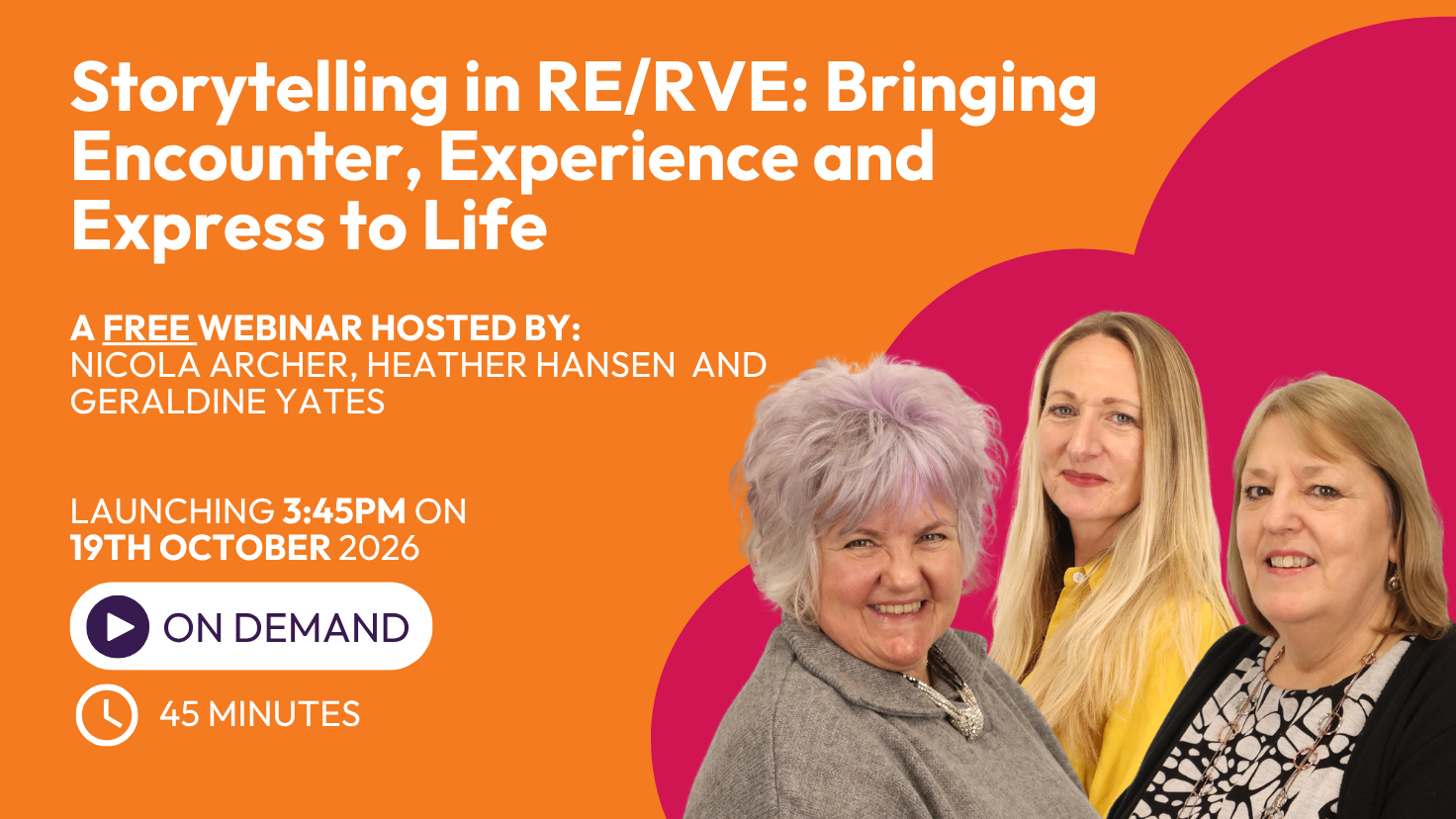
Storytelling in RE/RVE: Bringing Encounter, Experience and Express to Life


Upcoming Webinars
05 October 2026
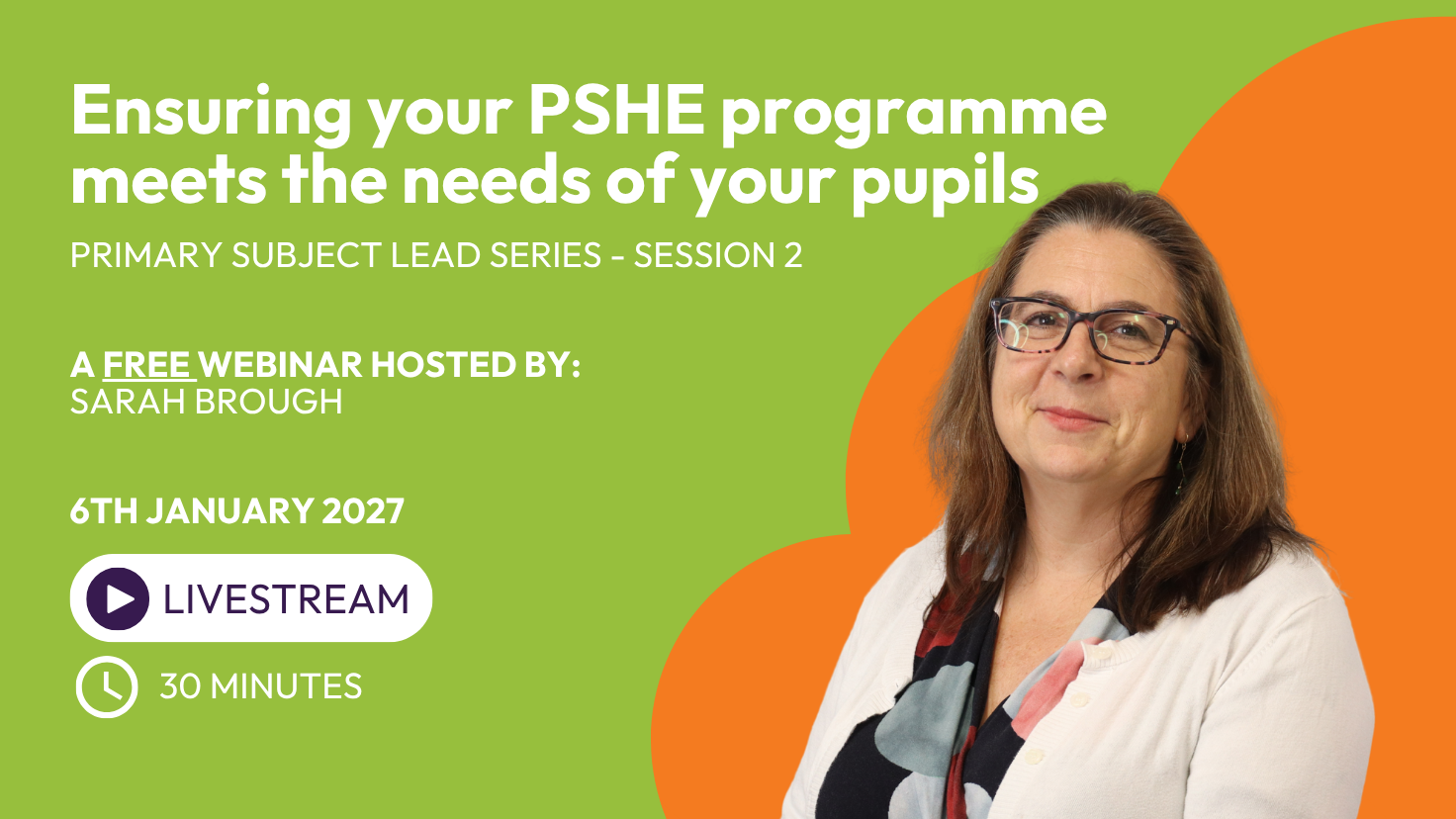
Leading PSHE Across Your School: Supporting Teachers and Building Consistency

Articles & Updates
29 June 2026
From Policy to Practice: A Subject Leader’s Guide to Implementing the New RSHE Guidance

On Demand Webinars
02 March 2026
Collective Worship Made Clear: Guidance, Myths and What Really Works
On Demand Webinars
27 November 2025
Jigsaw PSHE 3-11: Updated for the 2025 RSHE Guidance – What do you need to know?
On Demand Webinars
27 November 2025
Jigsaw PSHE 11-16: Updated for the 2025 RSHE Guidance – What do you need to know?
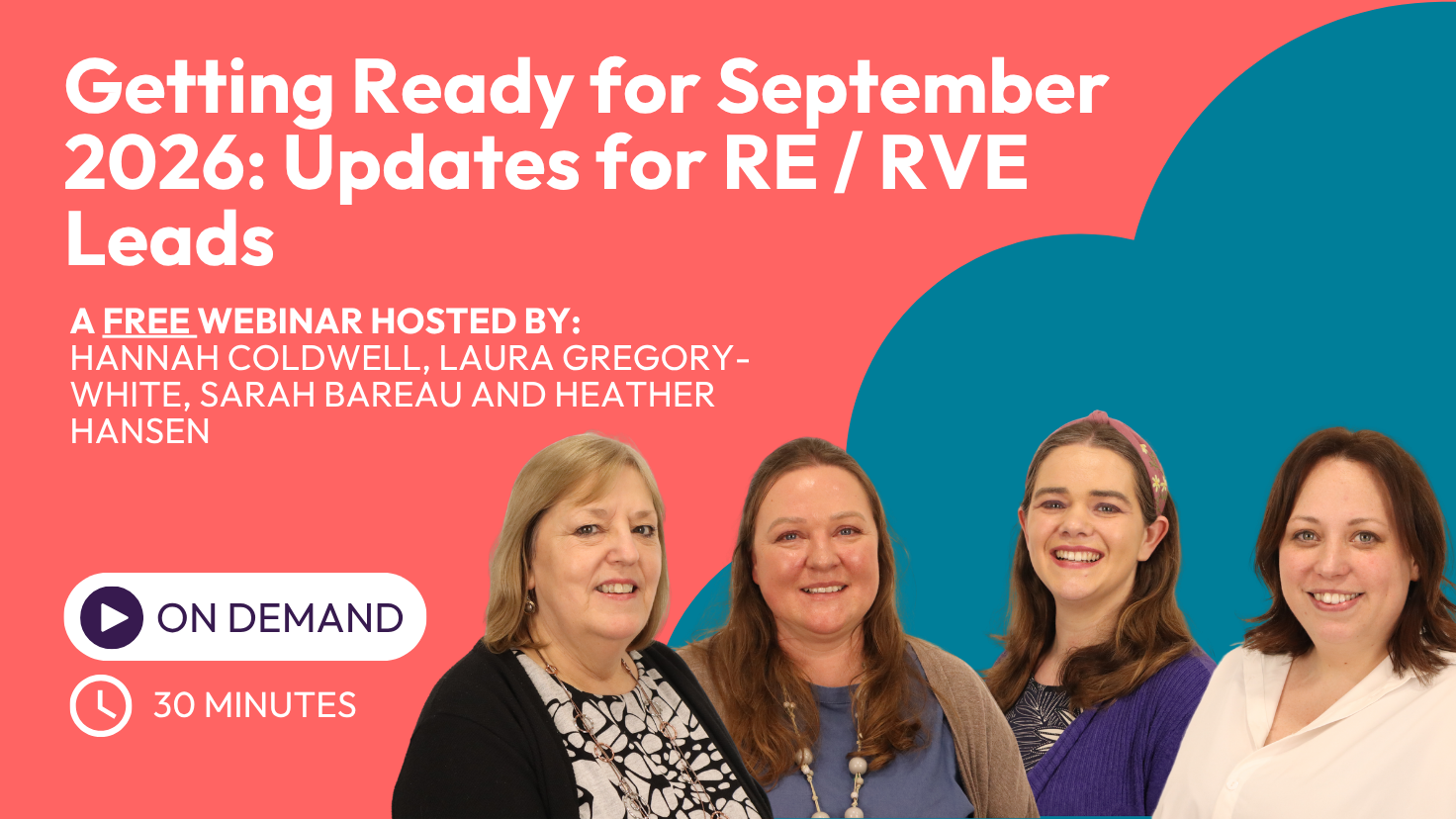
On Demand Webinars
21 January 2026
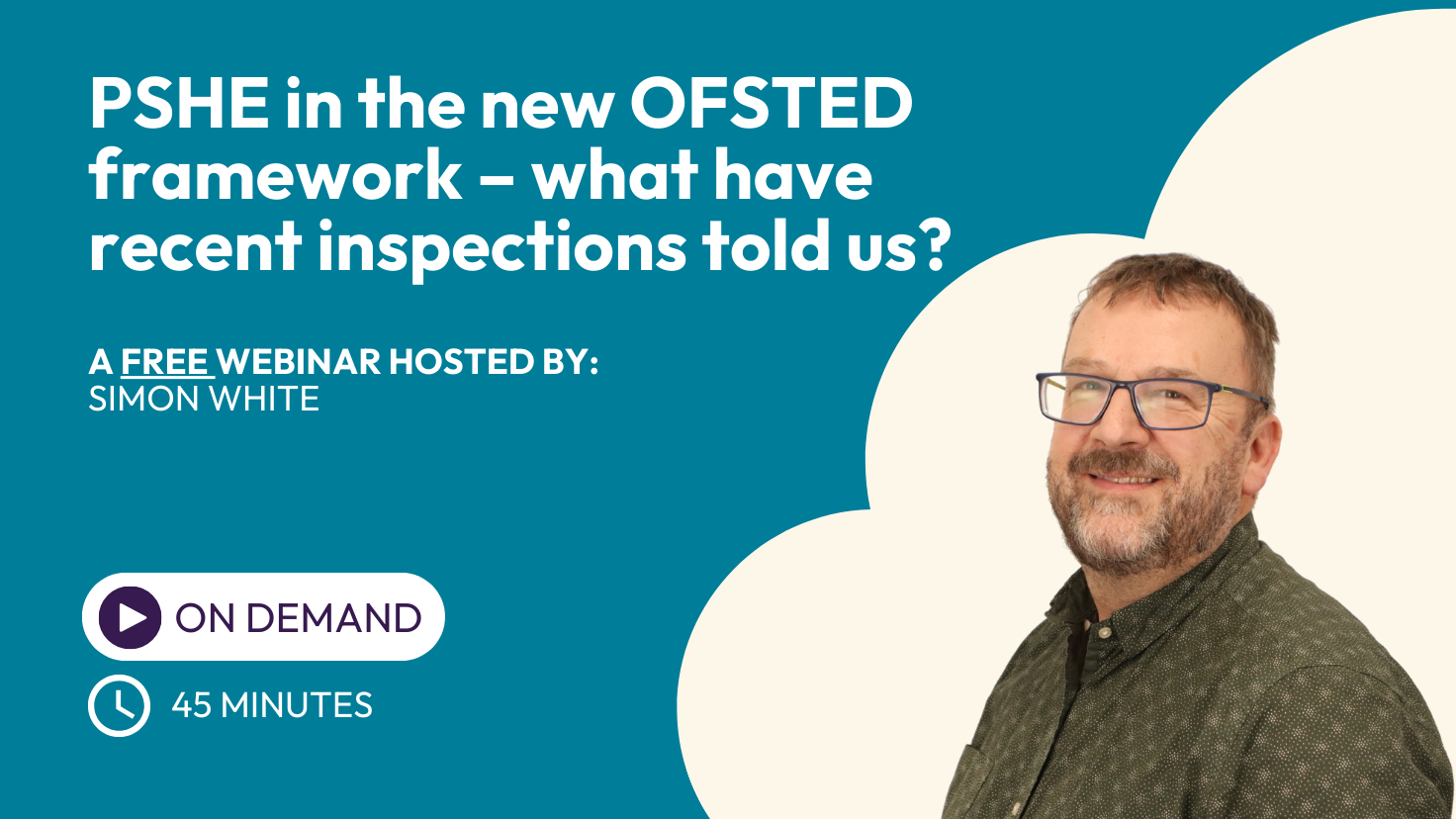
PSHE in the new OFSTED framework – what have recent inspections told us?
On Demand Webinars
12 March 2026
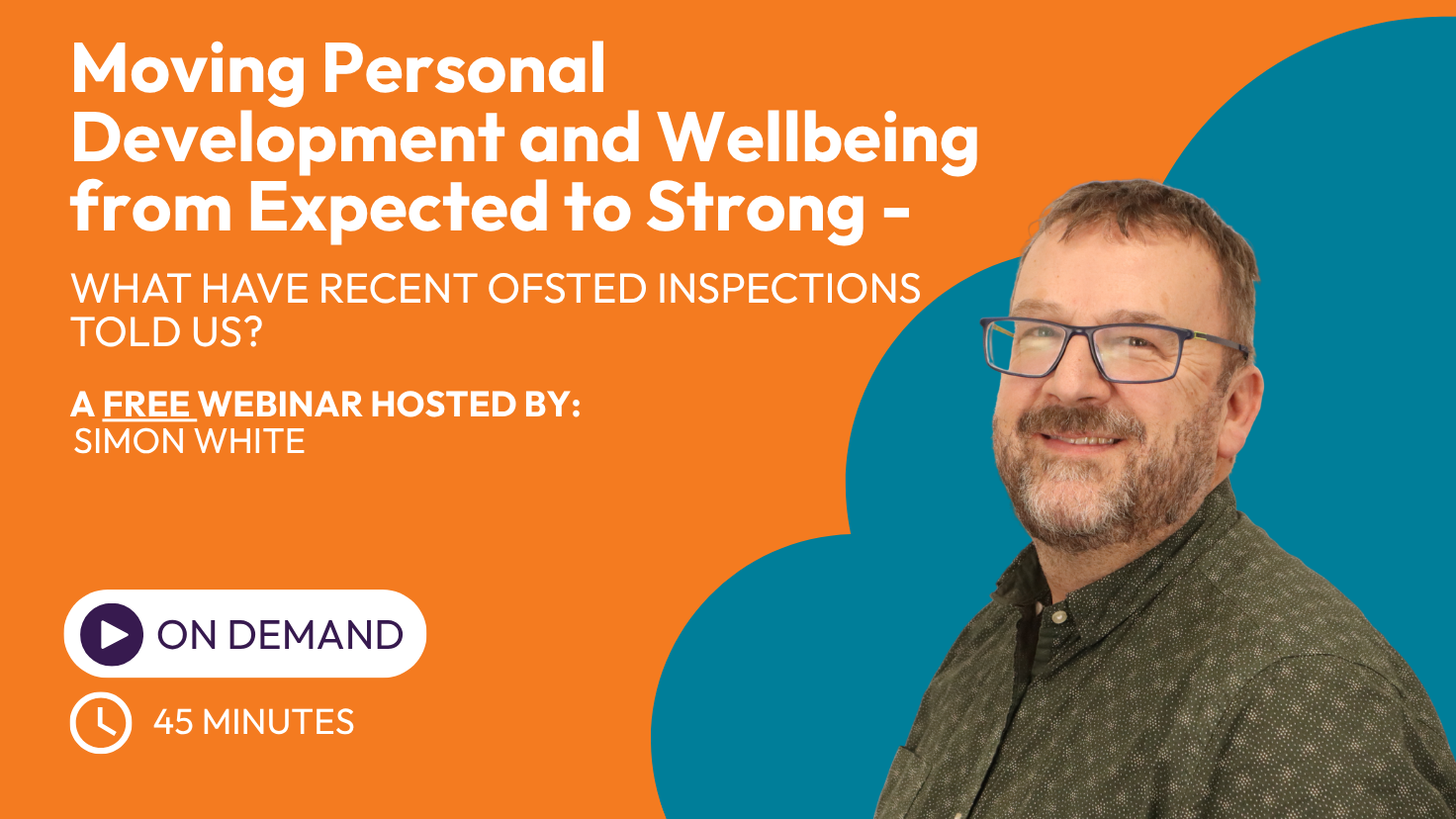
Moving Personal Development and Wellbeing from Expected to Strong – What have recent OFSTED inspections told us?
On Demand Webinars
12 May 2026
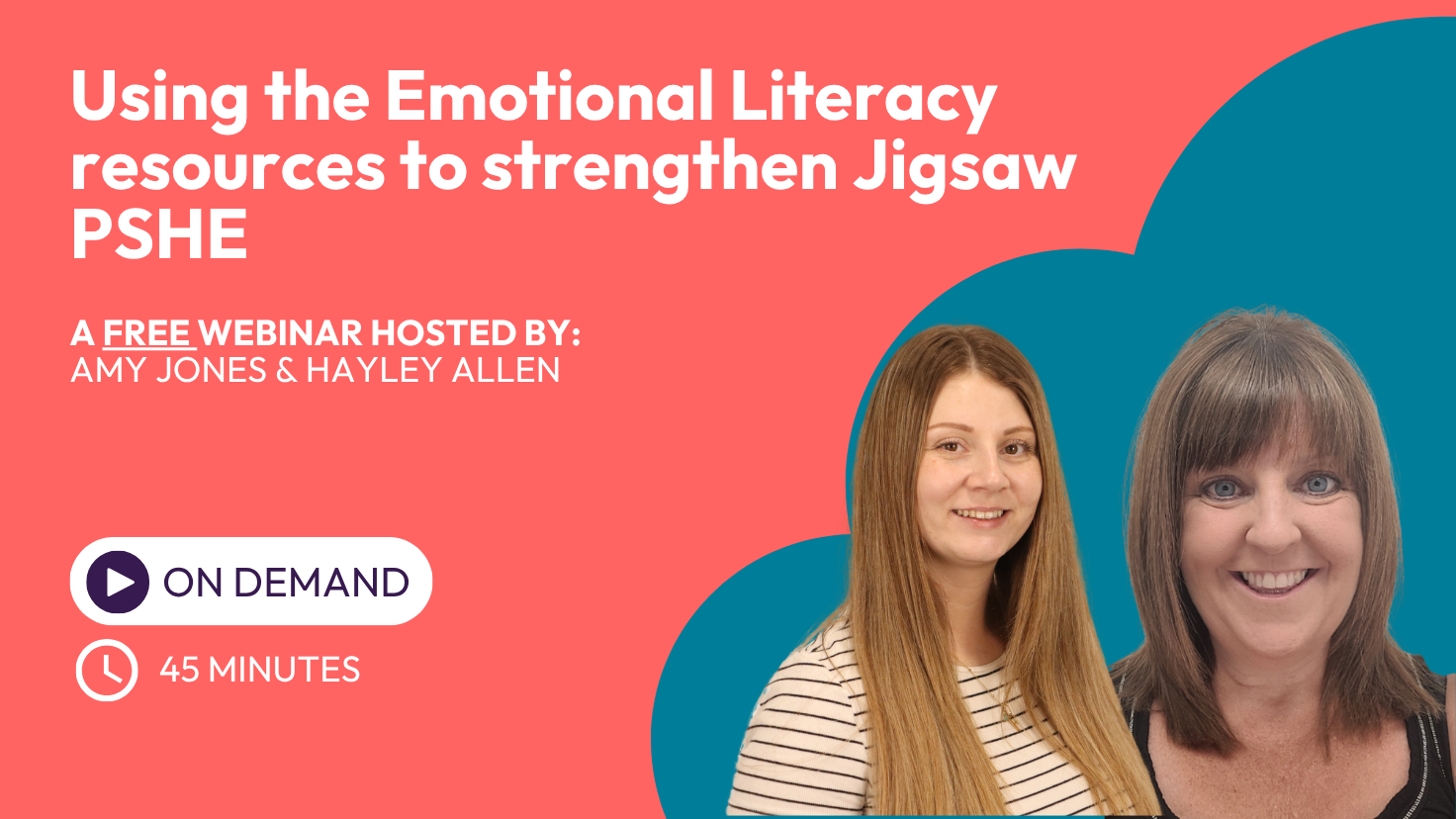
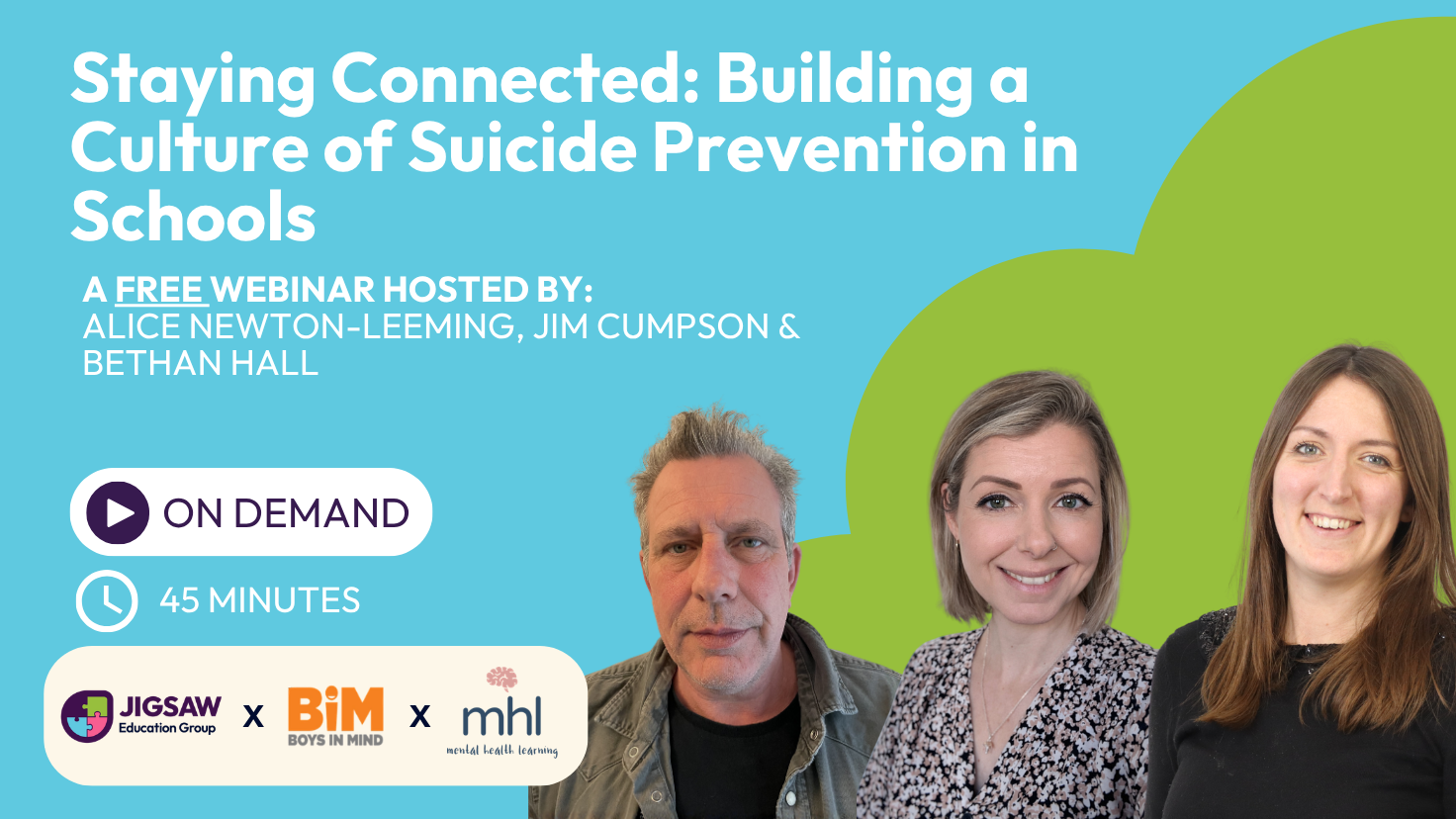
Staying Connected: Building a Culture of Suicide Prevention in Schools
On Demand Webinars
23 April 2026
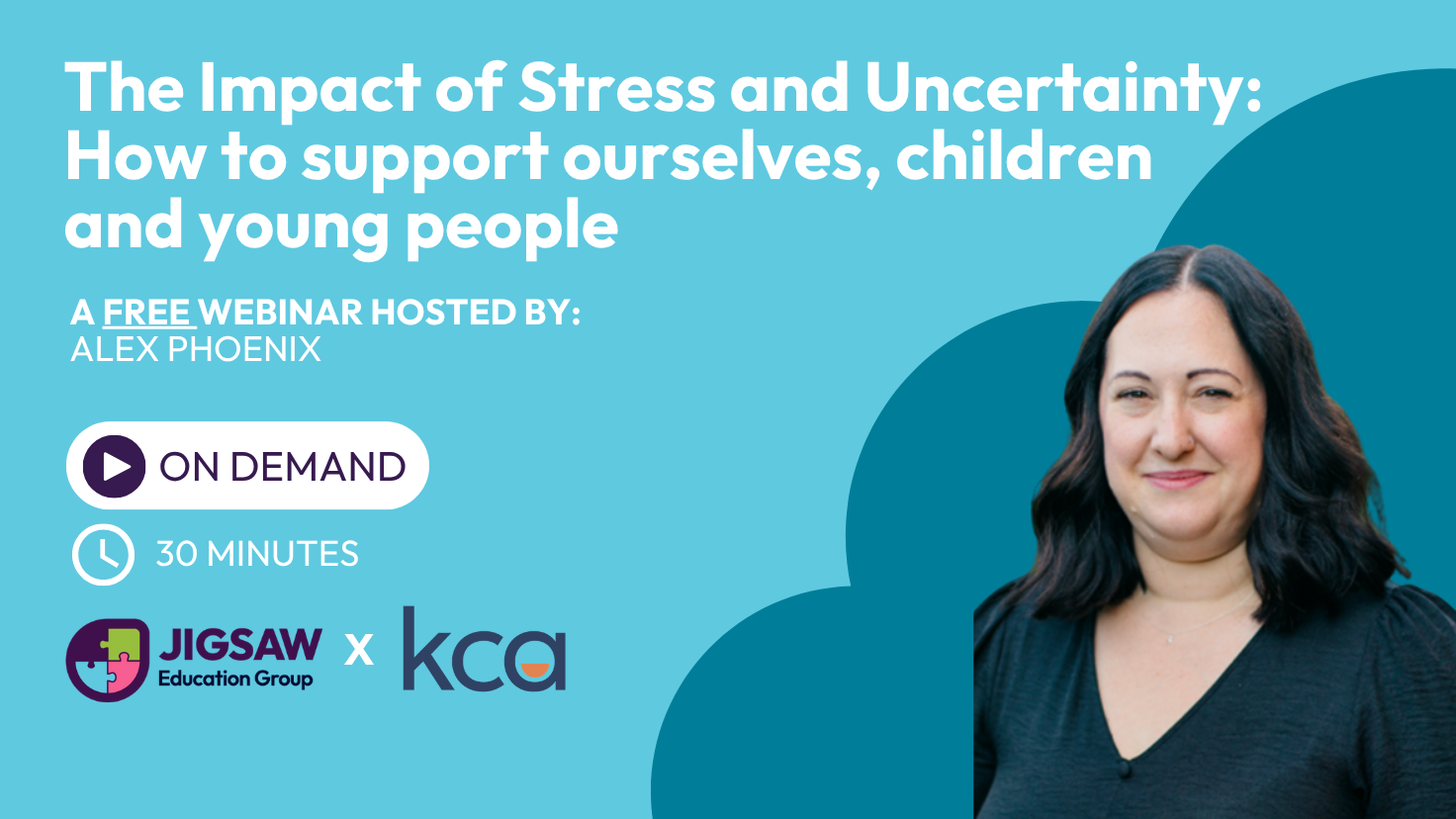
The Impact of Stress and Uncertainty: How to support ourselves, children and young people
On Demand Webinars
19 January 2026
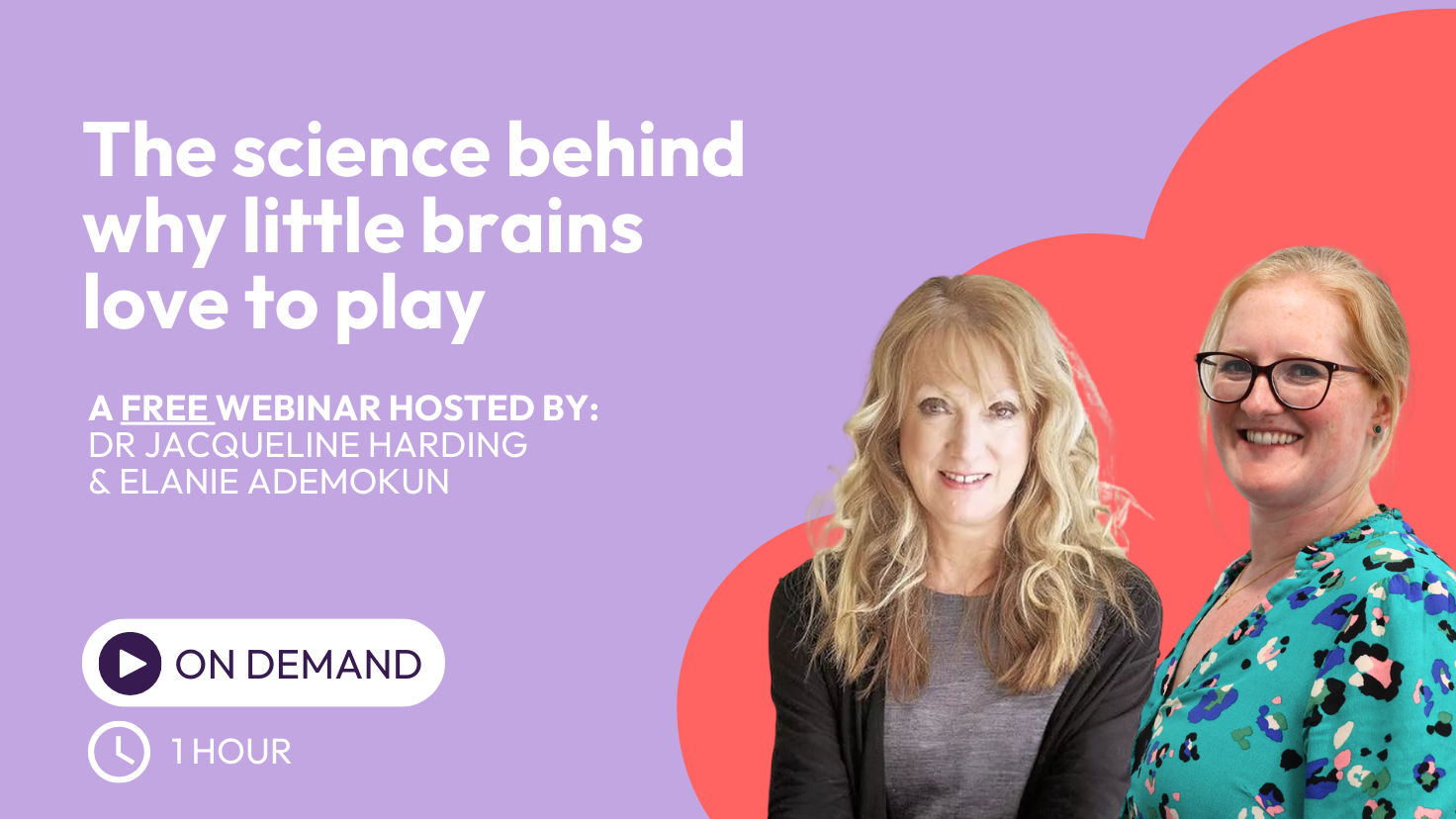
The science behind why little brains love to play with Dr Jacqueline Harding
On Demand Webinars
24 March 2026
Confident, Informed, Prepared: A Secondary RSHE Webinar Series for PSHE Leads and Teachers
On Demand Webinars
21 January 2026
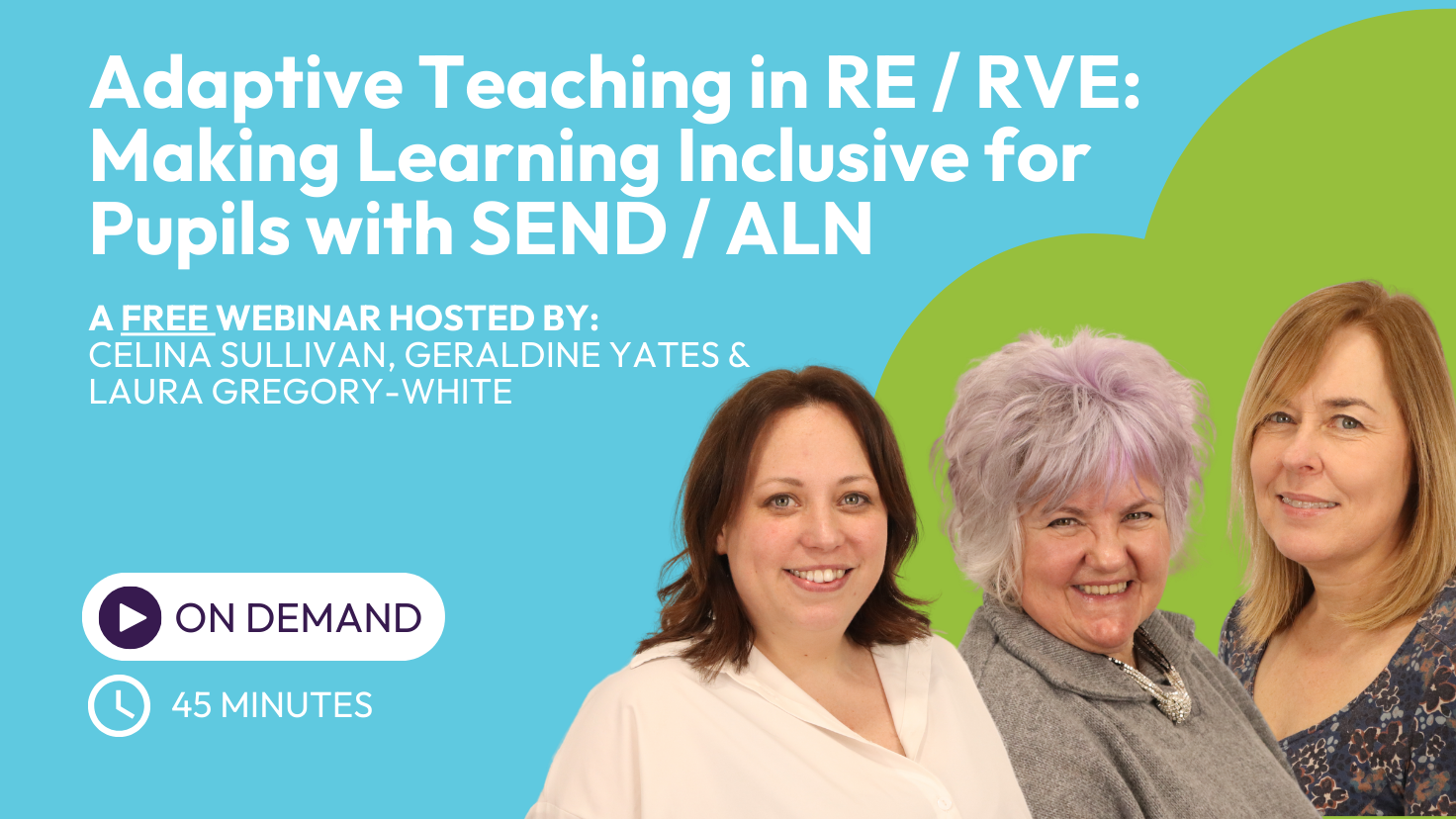
Adaptive Teaching in RE / RVE: Making Learning Inclusive for Pupils with SEND / ALN

On Demand Webinars
19 January 2026
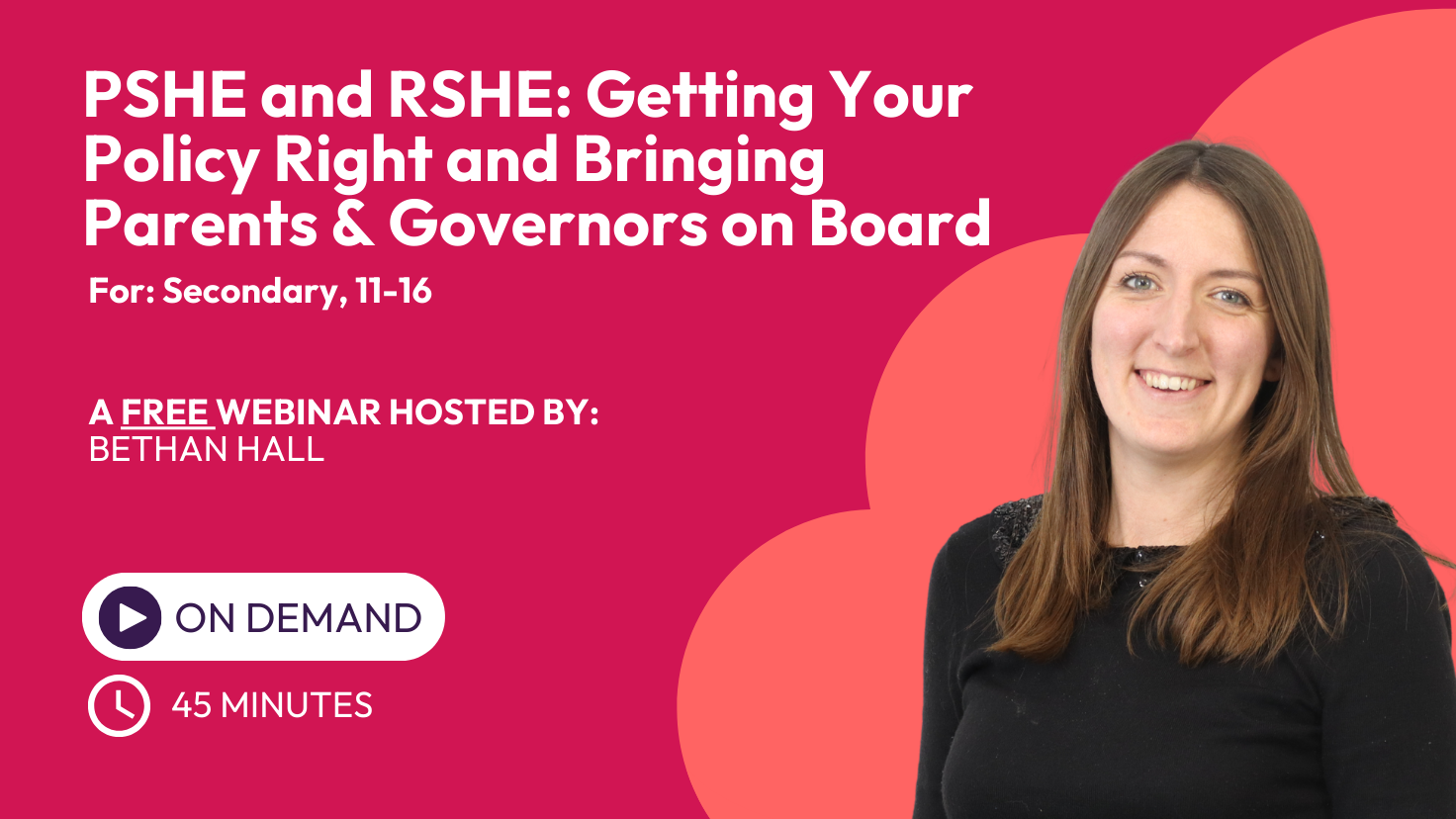
PSHE and RSHE: Getting Your Policy Right and Bringing Parents & Governors onboard
On Demand Webinars
23 January 2026
Teaching Human Reproduction: Why Teach It in Primary School – and How?




On Demand Webinars
23 October 2025
Deep and meaningful RE: Exploring 4 steps you can take to improve RE in your school?





Articles & Updates
13 January 2026
How to build mutual respect between boys and girls in the classroom



Articles & Updates
06 October 2025
Navigating the new RSHE statutory guidance: ensuring meaningful implementation


Articles & Updates
16 September 2025
Beyond the Headlines – Why Our Children Need Safe Spaces for Complex Conversations



Articles & Updates
11 June 2025
Sustainability in Religious Education: Where Faith Meets Environmental Stewardship