Articles & Updates
29 June 2026
From Policy to Practice: A Subject Leader’s Guide to Implementing the New RSHE Guidance
An article written by Hayley Allen, Jigsaw Consultant and full-time teacher.
I have been a PSHE subject leader in a large three-form entry primary school for over 25 years and, when Relationships, Sex and Health Education (RSHE) first became statutory in September 2020, I – along with many other subject leads and educational professionals – breathed a sigh of relief. Finally, something we had always known was being recognised: PSHE and RSHE are an essential part of preparing children for life.
Since then, the world has continued to change rapidly. Children are growing up in an increasingly complex world and schools need to be better equipped than ever to support them. With updated guidance needing to be implemented by September 2026, we felt confident that Jigsaw would continue to support us in delivering a high-quality and compliant curriculum.
Our school has been a Jigsaw school since 2012, so staff and the wider school community already felt confident and familiar with the programme. We were able to build on strong foundations rather than starting from scratch.
One of the first things I did was attend the Jigsaw webinars linked to the updated guidance. These were incredibly helpful in reassuring leaders that Jigsaw would remain compliant and provide the necessary updates and support materials. The implementation timelines and step-by-step guidance were particularly useful because, like many teachers and subject leaders, I am constantly juggling multiple roles, responsibilities and endless to-do lists. Having a clear structure helped me stay on track and demonstrate to SLT what needed to happen and when.
Following the training, I held a whole staff meeting to explain the review process. As we were also within the Ofsted window for Summer 2026, I wanted this to tie closely into wider personal development and wellbeing priorities across the school. Staff completed a Personal Development and Wellbeing evaluation linked to the new Ofsted toolkit. With a little help from AI, I turned the results into a heat map which highlighted where staff felt confident and where additional support or CPD was needed.
This was useful because it gave staff a voice early in the process and helped create honest professional discussions. Sometimes RSHE can feel overwhelming for teachers, particularly when guidance changes or sensitive topics are involved, so creating space for those conversations was important.
Early in the spring term, I rewrote our PSHE and RSHE policy using the Jigsaw template and personalised it to reflect our school context and values. Alongside the full policy on the school website, I also created a “PSHE & RSHE in a Nutshell” guide to make the information more accessible for a wider audience. It gave parents a clearer overview of what is statutory, how learning builds over time, the difference between Health Education and Sex Education, and where to find further support.
To support the consultation process further, I also wrote a parent letter explaining policy updates, statutory requirements, the right to withdraw from Sex Education in Years 5 and 6, and the distinction between Sex Education and statutory Health Education, including puberty.
One thing I changed this year was the timing of the parent workshop. Delivering it earlier gave parents more time to ask questions and feel reassured before the relevant Jigsaw puzzles were taught. It also worked far better alongside the policy review and consultation process and relieved some pressure during an already busy summer term.
Normally, I hold separate EYFS/KS1 and KS2 parent sessions, but this year I combined them into one whole-school meeting. Interestingly, only eleven parents attended. Perhaps the lower turnout reflected the trust and transparency already built over time.
Alongside the consultation, we introduced the Jigsaw Knowledge Organisers for each year group’s RSHE learning. This was something I had never previously sent home, but after reading the Jigsaw policy guidance, I realised it was a missed opportunity to engage parents further. Parent feedback later showed these were one of the most valued resources we shared.
I also watched the new Jigsaw parent webinar beforehand to help prepare for parent questions. The updated guidance rightly places significant emphasis on parental engagement and support, and Jigsaw’s parent leaflets on sensitive topics such as puberty and sex education were particularly useful in supporting conversations at home.
To gather parent voice formally, I created a parent consultation questionnaire covering confidence in the school’s approach, clarity of information and areas where further clarification might be needed. To be honest, when I finally sent the email out with the draft policy, questionnaire, Knowledge Organisers and supporting documents attached, I did wonder if it was simply too much information in one go!
The questionnaire responses were definitely what I would call a ‘slow burn’. Weekly friendly reminders in our Friday parent bulletin helped enormously and, by the end of half term, we had received 110 responses, which felt incredibly positive for a school of our size and demographic.
Pupil voice was also an important part of the process. At our school, we have Curriculum Learning Ambassadors – KS2 children who work alongside subject leaders and support things such as monitoring, gathering pupil voice and celebrating learning across the school.
I also wanted governors to feel part of the process rather than simply being asked to ratify the final policy. Alongside sharing the draft policy, governors completed a questionnaire similar to the staff consultation so that their views and feedback could help inform the review process.
We also worked carefully to ensure that our RSHE provision remained inclusive, accessible and appropriate for all pupils, including those with SEND, adapting materials where needed to meet the needs of our children.
We are now fully teaching the updated Jigsaw lessons and materials across the school. Staff feel confident, supported and well prepared and, most importantly, children are receiving the knowledge and understanding they need in an age-appropriate, progressive and sensitive way.
Looking back, one of the biggest successes was how calm and collaborative the process felt. Rather than RSHE review feeling overwhelming, it became an opportunity to strengthen communication, staff confidence and parental engagement.
For schools beginning their own RSHE review journey, my biggest advice would be not to panic or feel that you have to reinvent everything overnight. Build on what is already working well and involve staff, governors, pupils and parents early. Most importantly, remember that effective PSHE and RSHE are not simply about compliance. Done well, they help children feel safer, healthier, more informed and better prepared for the world they are growing up in – and that has never mattered more.
Our free resources

On Demand Webinars
18 August 2026
In conversation with Dr Oscar Duke – The Hidden Cost of Connection: Smartphones, Screen Time and Childhood Health
Upcoming Webinars
19 August 2026
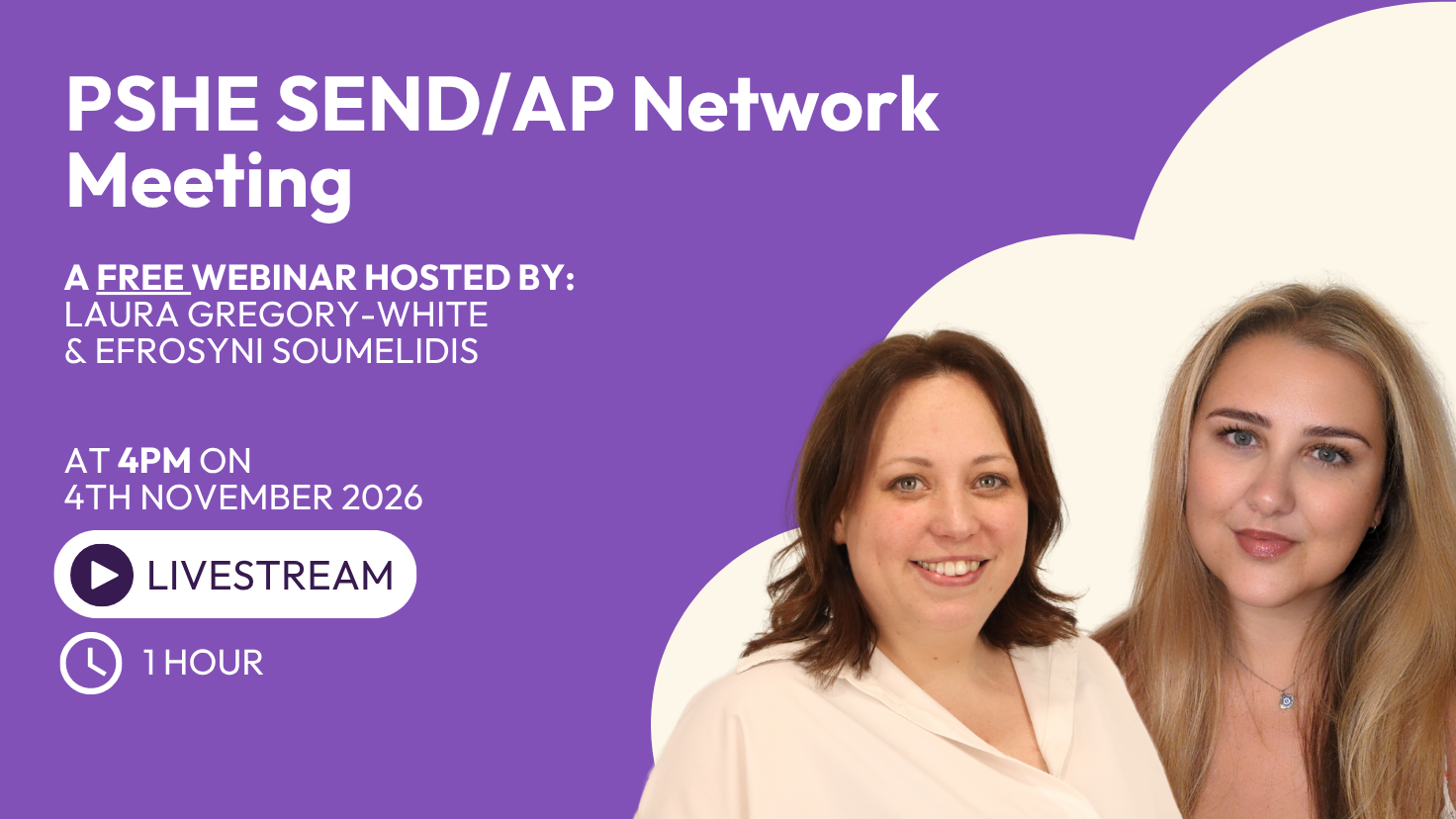
Storytelling in RE/RVE: Bringing Encounter, Experience and Express to Life
Upcoming Webinars
05 October 2026
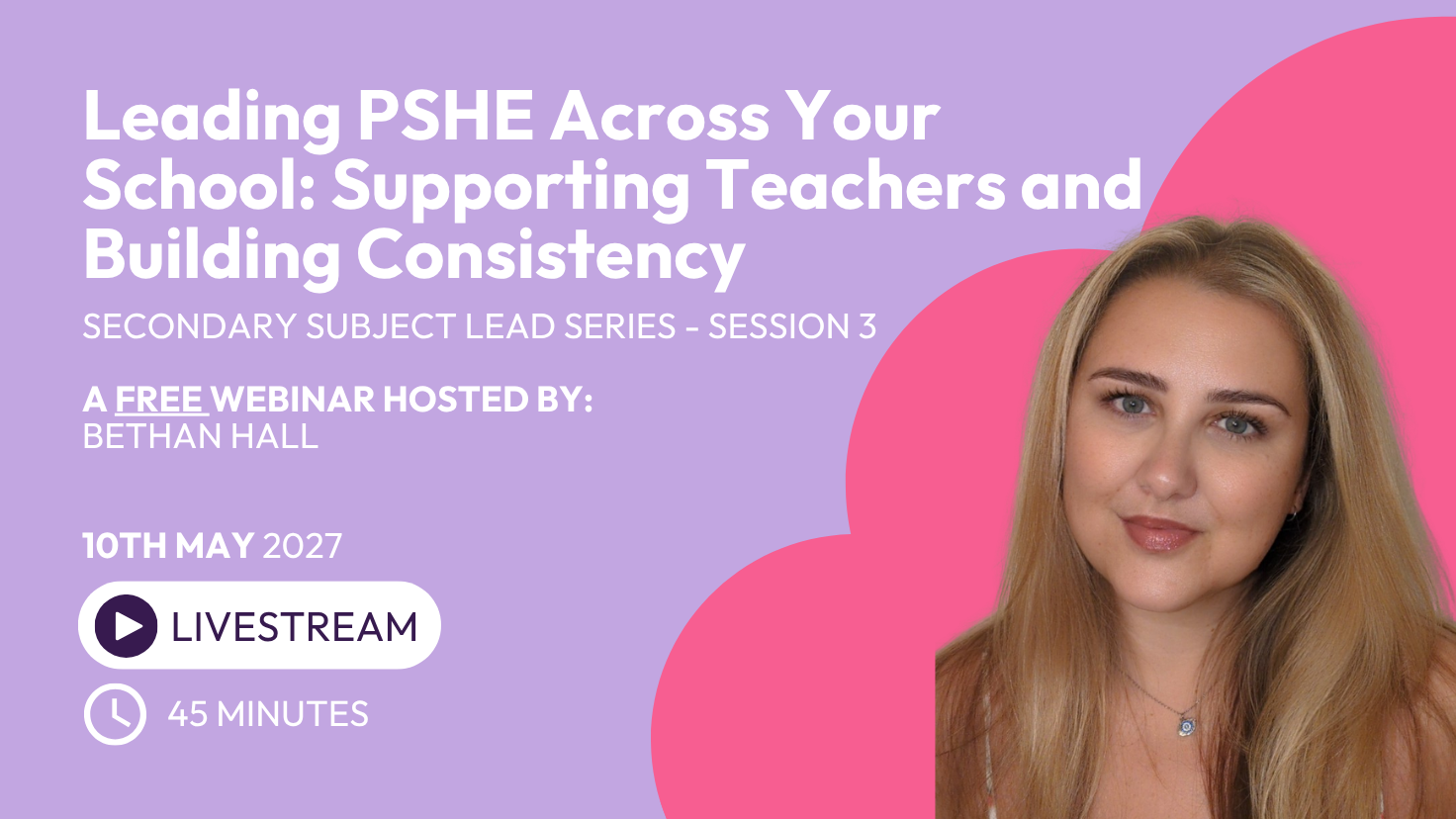
Leading PSHE Across Your School: Supporting Teachers and Building Consistency
On Demand Webinars
02 March 2026
Collective Worship Made Clear: Guidance, Myths and What Really Works
On Demand Webinars
27 November 2025
Jigsaw PSHE 3-11: Updated for the 2025 RSHE Guidance – What do you need to know?
On Demand Webinars
27 November 2025
Jigsaw PSHE 11-16: Updated for the 2025 RSHE Guidance – What do you need to know?
On Demand Webinars
21 January 2026
PSHE in the new OFSTED framework – what have recent inspections told us?
On Demand Webinars
12 March 2026
Moving Personal Development and Wellbeing from Expected to Strong – What have recent OFSTED inspections told us?
On Demand Webinars
12 May 2026
Staying Connected: Building a Culture of Suicide Prevention in Schools
On Demand Webinars
23 April 2026
The Impact of Stress and Uncertainty: How to support ourselves, children and young people

On Demand Webinars
19 January 2026
The science behind why little brains love to play with Dr Jacqueline Harding
On Demand Webinars
24 March 2026
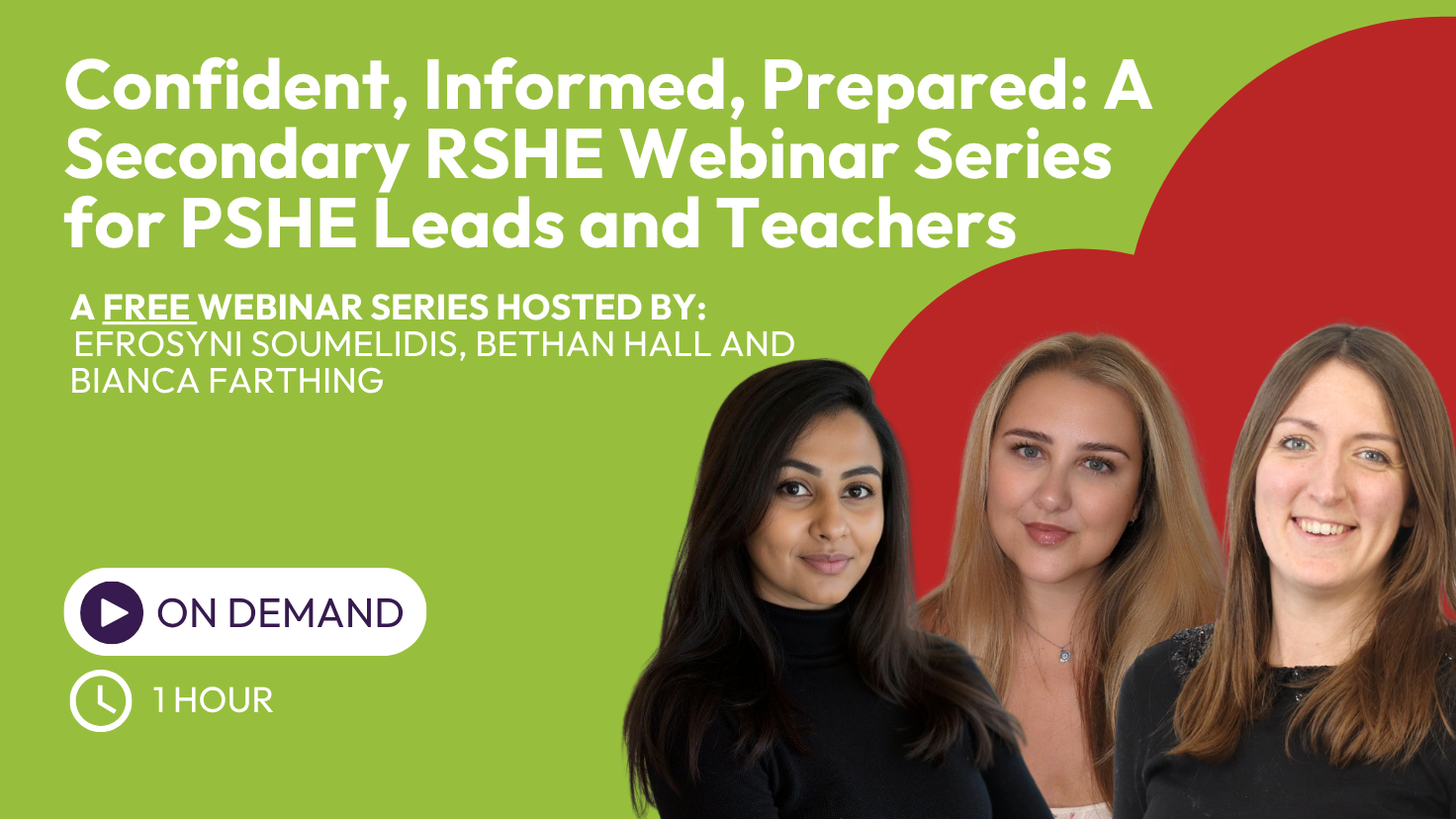
Confident, Informed, Prepared: A Secondary RSHE Webinar Series for PSHE Leads and Teachers
On Demand Webinars
21 January 2026
Adaptive Teaching in RE / RVE: Making Learning Inclusive for Pupils with SEND / ALN

On Demand Webinars
19 January 2026
PSHE and RSHE: Getting Your Policy Right and Bringing Parents & Governors onboard
On Demand Webinars
23 January 2026
Teaching Human Reproduction: Why Teach It in Primary School – and How?

On Demand Webinars
23 October 2025
Deep and meaningful RE: Exploring 4 steps you can take to improve RE in your school?




Articles & Updates
17 June 2026
What can teachers do when questions about sex and relationships get too personal?

Articles & Updates
13 January 2026
How to build mutual respect between boys and girls in the classroom



Articles & Updates
06 October 2025
Navigating the new RSHE statutory guidance: ensuring meaningful implementation


Articles & Updates
16 September 2025
Beyond the Headlines – Why Our Children Need Safe Spaces for Complex Conversations



Articles & Updates
11 June 2025
Sustainability in Religious Education: Where Faith Meets Environmental Stewardship